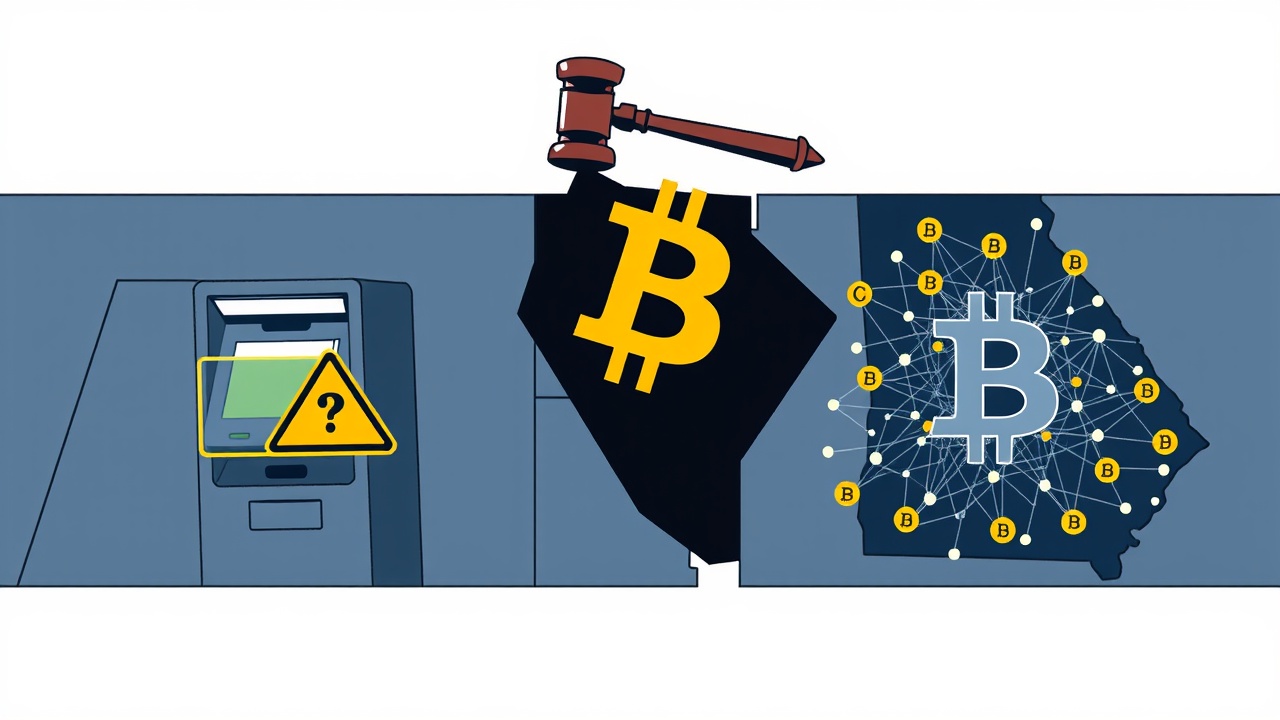
Stricter Regulations on Cryptocurrency ATMs
In recent months, several states across the United States have imposed stricter regulations on cryptocurrency ATMs, largely in response to rising concerns over fraud linked to these machines. Notably, Tennessee and Georgia have recently implemented new rules aimed at curbing potential abuses as part of a broader trend of increasing oversight of cryptocurrency transactions.
State-Specific Legislative Actions
As of July 1, Tennessee has enacted a law that outright bans the installation and operation of cryptocurrency ATMs statewide. This decision, signed into law by Governor Bill Lee back in April, reflects the state’s stance on addressing fraud associated with these machines. Conversely, Georgia has opted for a different regulatory path: while the use of crypto ATMs remains permitted, operators are now subject to new consumer protection rules. These include:
- Imposing limits on transaction amounts
- Issuing warnings to customers about potential fraud before transactions are completed
- Obligating operators to refund certain victims of scams
Growing Trend of State Actions
These legislative efforts come amid a growing number of states taking action against crypto ATM operations. Indiana’s ban was enforced in March, while Minnesota’s prohibition is scheduled to take effect on August 1. Additionally, both Delaware and New Jersey are in the process of advancing legislative proposals intended to outlaw crypto ATMs, although those measures have yet to be enacted into law.
Fraud Statistics and Concerns
Behind these government actions are alarming statistics on fraud. Reports from the FBI indicate that in 2025 alone, the agency logged more than 13,460 complaints involving cryptocurrency kiosks, resulting in a staggering total of reported losses exceeding $388.9 million. A concerning aspect of these reports is that seniors over the age of 50 represented more than half of all fraud-related complaints.
International Developments
Outside the U.S., similar issues have also surfaced in Canada. Earlier this year, CBC News highlighted a proposal from the Canadian federal government for a nationwide ban on crypto ATMs, labeling them as key instruments utilized by scammers to exploit victims and launder illicit funds. Investigative findings from the Financial Transactions and Reports Analysis Centre of Canada supported claims of a connection between crypto ATMs and persistent fraud schemes.
Impact on Crypto ATM Operators
As regulatory pressure mounts, the financial viability of many crypto ATM operators is being threatened. For example, Bitcoin Depot, a prominent operator listed on Nasdaq, filed for Chapter 11 bankruptcy protection in May, citing the burdens of escalating regulations and related legal and enforcement challenges. The firm had publicly warned that ongoing changes in state regulations posed a significant risk to its revenue, ultimately leading to the shutdown of its ATM network during the bankruptcy proceedings.
Conclusion
As the landscape for cryptocurrency ATMs continues to evolve, operators and users alike may need to prepare for a future characterized by increased scrutiny and regulatory measures.