North Korean Cybercriminals Move Over $600 Million in Stolen Binance Funds via Thorchain Despite FBI Alerts
North Korea-linked hackers have funneled over $600M in stolen Binance funds through Thorchain, evading FBI warnings and utilizing decentralized exchanges.
Introduction
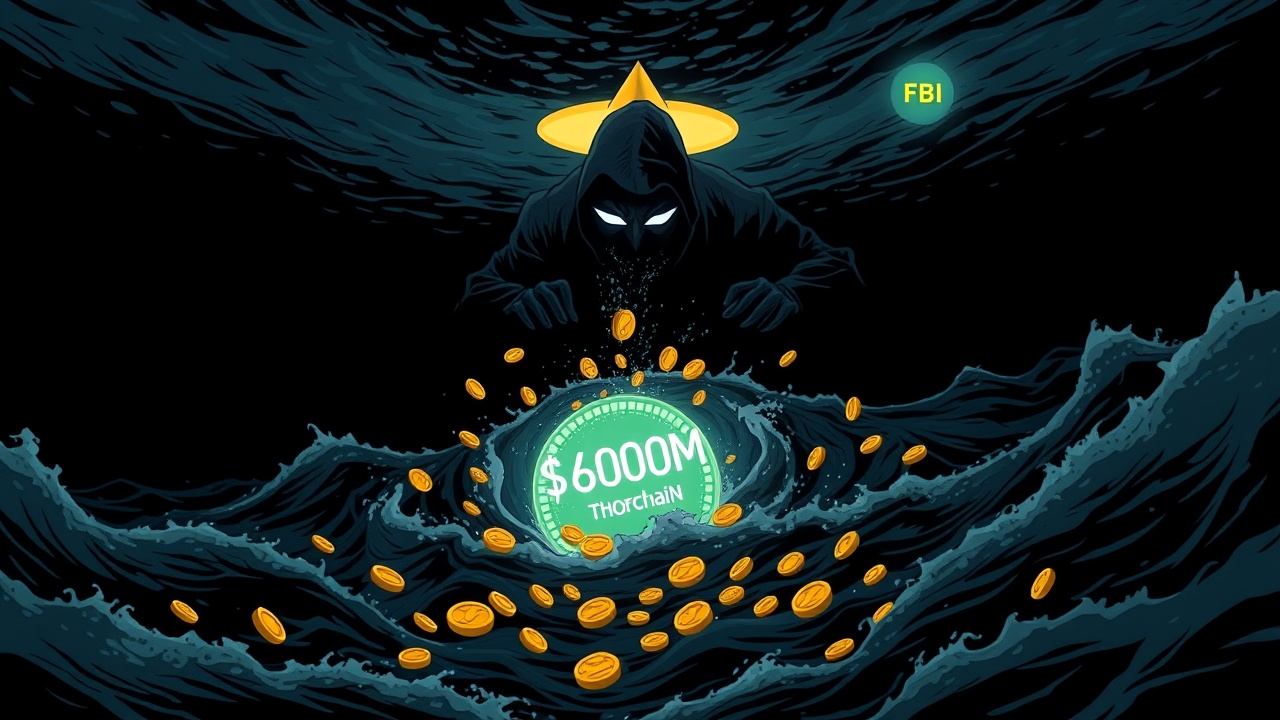
In a troubling development following the massive $6.3 billion hack of Binance attributed to North Korean operatives, cybersecurity analysts reveal that over $600 million of the stolen cryptocurrency has been funneled through a decentralized exchange known as Thorchain. These cybercriminals are employing advanced techniques, including decentralized swaps and privacy-enhancing services, to obscure the origin of their illicit gains.
Cybersecurity Analysis
Blockchain intelligence companies such as Chainalysis, Elliptic, and TRM Labs have conducted studies indicating a spike in cross-chain transactions by these hackers, utilizing Thorchain along with a coinjoin mixing service. Elliptic points out that this staggering amount might involve funds that have been processed multiple times through the network, illustrating the complexity and scale of their operations.
FBI Intervention
The FBI's intervention in this high-stakes cybercrime has been noteworthy. On October 31, they put out a public notification detailing the blockchain wallet addresses associated with the perpetrators, explicitly urging crypto platforms, including Thorchain, to blacklist these accounts. Ari Redbord, policy chief at TRM Labs, remarked on the unusual nature of the FBI's approach by naming specific services in such contexts, signaling a growing urgency to combat cryptocurrencies being misused for illicit activities.
Thorchain's Position
Thorchain, which operates without censorship or KYC (Know Your Customer) requirements, finds itself at the center of this turmoil. Recent estimates by TRM Labs suggest the exchange has amassed about $1 million in fees from the transactions associated with the laundering of Binance's stolen funds. In a recent statement on their official social media platform, co-founder Chad Barraford defended Thorchain against calls to suspend operations in light of the hack.
Barraford argued that shutting down the platform would unjustly penalize the majority of legitimate users who rely on Thorchain for their transactions while having little to no impact on determined criminals who would quickly adapt and find alternative means of laundering their assets. He proposed that instead of stopping decentralized networks, law enforcement should focus on centralized exchanges that have more control over user accounts.
Coinjoin and Laundering Activities
In addition to the activities on Thorchain, Elliptic reports that these launderers have also utilized a coinjoin service to manage $342 million of the stolen cryptocurrency. Coinjoin works by enabling multiple users to combine their transactions, complicating the tracking process for investigators. Much of this coinjoin activity is reportedly linked to an anonymous user named Kruw.
Previous Incidents and Challenges
This situation echoes previous tensions, highlighted by the September incident where the CEO of crypto exchange Bitget called upon Thorchain to freeze suspected hacker wallets involved in another theft. Barraford has reiterated that Thorchain was intentionally designed without the capability to block specific addresses, which raises significant challenges when addressing potential criminal usage without disrupting lawful transactions.
Community Response
Supporters of Thorchain have been vocal in their defense, pushing back against accusations that the platform aids hackers, arguing instead that the system's transparency might actually facilitate tracing of stolen assets.
Conclusion
As the situation unfolds, the implications of decentralized finance and cybersecurity continue to provoke critical discussions among users and regulators alike, reflecting a broader concern about the security of digital financial ecosystems.
Also in other languages: РусскийDeutschFrançaisItalianoEspañol