North Korean Cybercriminals Leverage AI for Enhanced Tactics
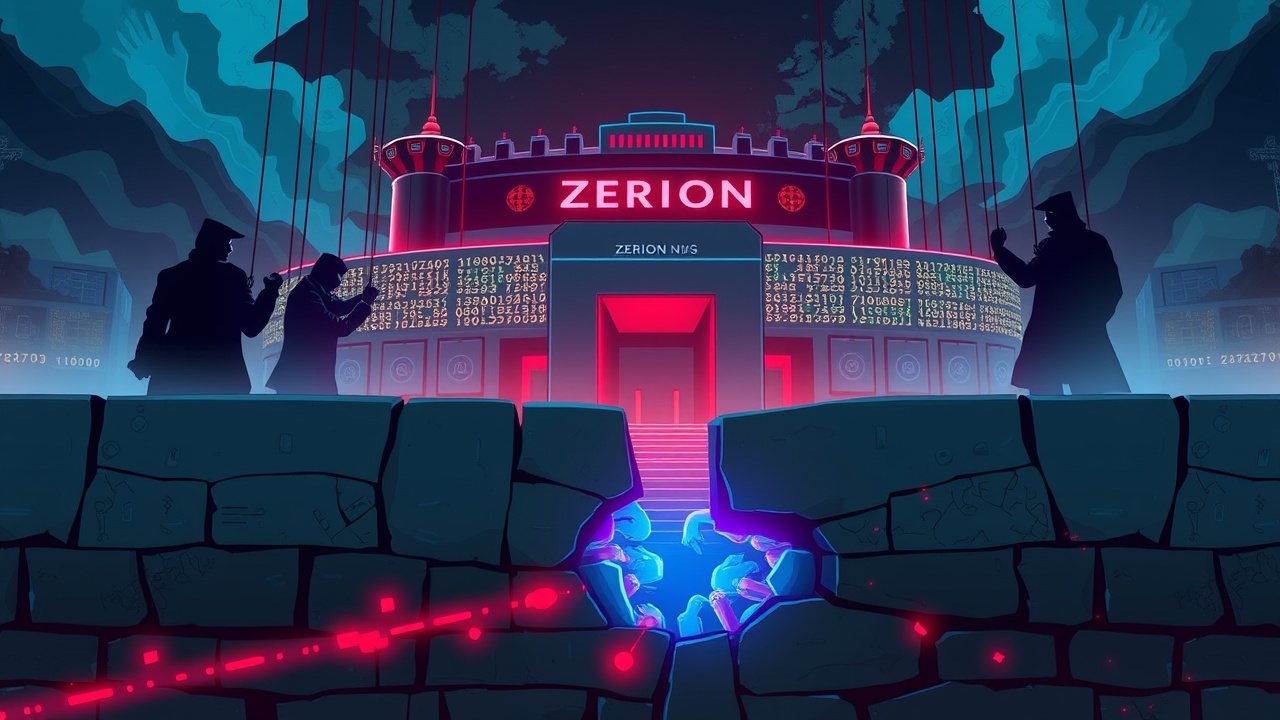
In a striking development highlighting the evolving landscape of cyber threats, North Korean cybercriminals are employing artificial intelligence to enhance their tactics, specifically by manipulating human operators within organizations. A recent incident involving Zerion, a notable crypto wallet provider, revealed that a sophisticated social engineering scheme linked to North Korea succeeded in infiltrating the company’s systems last week, leading to a theft of approximately $100,000 from its hot wallets.
Critical Alert to AI-Driven Identity Theft
This breach serves as a critical alert to the increasingly refined methods of AI-driven identity theft within the cryptocurrency sector. The attackers were able to exploit active login sessions and access credentials belonging to the company’s employees, ultimately allowing them to obtain sensitive private keys. Fortunately, Zerion conducted a thorough internal review post-incident and confirmed that while the breach posed significant risks, user assets and the main system infrastructure were not compromised; however, they did temporarily suspend access to their web application as a safety measure.
Trends in Cyber Exploits
This breach is part of a troubling trend. Earlier this month, the Drift Protocol suffered an even more extensive exploit, resulting in losses of around $280 million, which security experts categorized as a sophisticated intelligence operation rather than a straightforward technical failure.
Growing Threat from North Korean Hacking Groups
Recent research conducted by the Security Alliance (SEAL) indicates a growing threat from North Korean hacking groups, particularly UNC1069, as they leveraged social engineering tactics across various platforms, including LinkedIn, Slack, and Telegram. Their strategy often involves impersonating legitimate colleagues or reputable brands to gradually diminish their targets’ defenses before launching their attacks. SEAL remarked,
“UNC1069’s approach to social engineering is characterized by their strategic patience and meticulous exploitation of established trust within professional networks.”
AI Technologies and Deepfake Impersonation
Adding to this complexity, recent reports from Google’s Mandiant division have uncovered the use of AI technologies to generate deepfake videos and images, which have enabled these hackers to convincingly impersonate individuals in virtual meetings, complicating traditional phishing defenses. The objective of these advanced methods is to foster an environment where victims have no cause to suspect the intentions of those on the other side of their screens.
Long-Term Evolution of Tactics
Taylor Monahan, a developer from MetaMask, observed that this trend is not merely a contemporary issue, but rather an evolution of tactics honed over many years. North Korean IT professionals have been stealthily embedding themselves in decentralized finance initiatives and cryptocurrency ventures for at least the past seven years, often masquerading as legitimate participants in the industry.
Changing Security Expectations in Cryptocurrency
According to an analysis by the blockchain security firm Elliptic, the refreshingly alarming risk landscape presented by these developments fundamentally changes the security expectations for the cryptocurrency industry. They stressed that the combination of North Korea’s evolving social engineering tactics alongside increasingly available AI tools suggests that threats now extend beyond just trading platforms. Developers and any personnel with internal system access are increasingly seen as primary targets for state-sponsored cyber theft operations.