North Korean Hackers Employed Deepfake Video Tactics to Siphon $400 Million in Cryptocurrency, DOJ Reveals
North Korean hackers have stolen $400 million in cryptocurrency using deepfake video calls and social engineering, according to the DOJ.
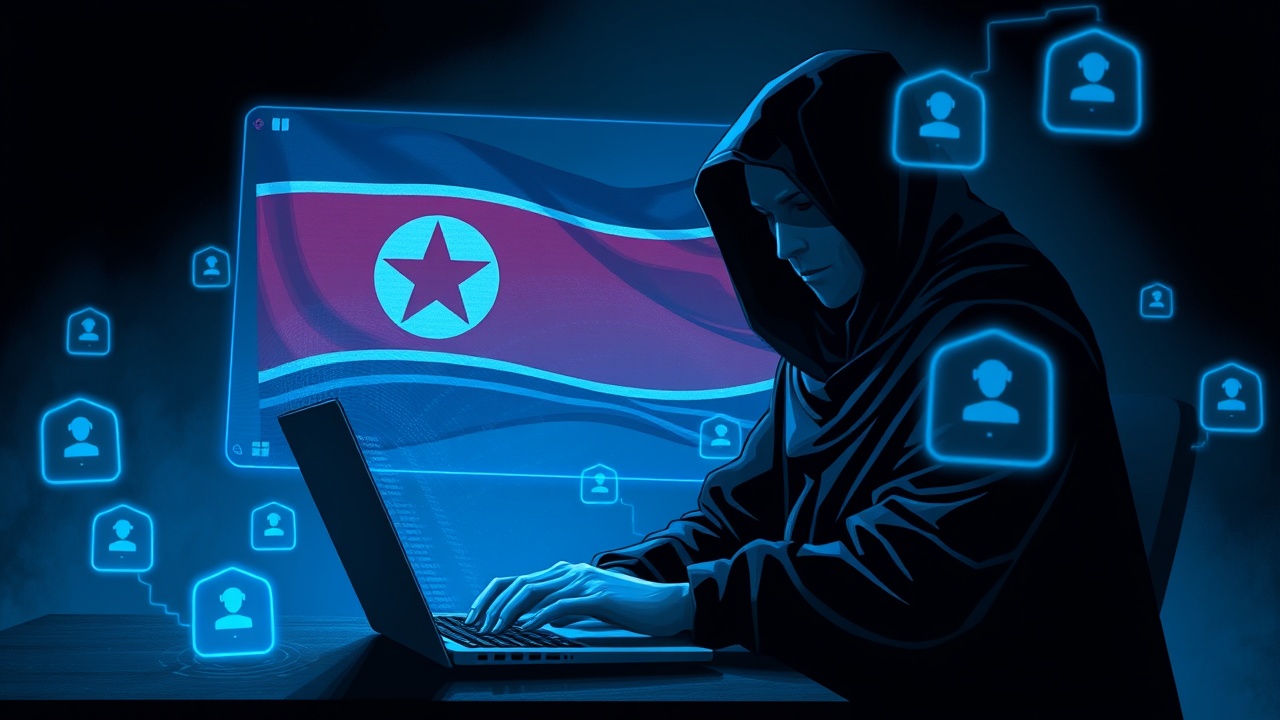
North Korean Hackers Steal Over $400 Million in Cryptocurrency
The U.S. Justice Department has revealed that hackers from North Korea have successfully pilfered over $400 million in cryptocurrency within the last year and a half through an intricate social-engineering scheme involving deepfake technology and manipulated video calls. In an announcement made on Thursday, authorities highlighted the takedown of key components of this operation, referred to by the FBI as "FaceStealer".
Deceptive Strategies and Techniques
As part of this deceptive strategy, criminals pose as trusted contacts during video conferences, leveraging hacked accounts from previous victims to facilitate their ruse. By utilizing pre-recorded footage of actual individuals, they manage to gain the targets’ trust, making them more susceptible to manipulation. Additionally, the hackers have crafted convincing deepfake representations of prominent figures in the cryptocurrency sector, further enhancing their schemes.
Once the victim feels secure, these cybercriminals fabricate a technical problem—claiming for instance that the other party's microphone is malfunctioning—and proceed to send a fraudulent link designed to "resolve" this issue. Instead of technical assistance, the link surreptitiously installs malicious software that allows the perpetrators to drain cryptocurrency wallets or exploit the victim's access to other systems. Often, hackers remain dormant for extended periods, waiting for ample time to strike.
FBI Actions and Investigations
In response to these operations, the FBI reported the seizure of over 900 video recordings from victims associated with FaceStealer, under a federal warrant. Investigators have linked this malicious activity to various North Korean hacker factions, including Sapphire Sleet, BlueNoroff, and APT38. Notably, reports indicate a concerning shift in tactics, with these groups increasingly targeting developers within the open-source software community, potentially paving the way for future supply-chain attacks.
Recent Developments and Implications
The DOJ's announcement coincided with an update on the catastrophic Binance hack, with the department disclosing a court’s approval to seize or restrain over $1.2 billion of the approximately $6.4 billion taken from the cryptocurrency exchange on October 29. This theft has been attributed to a North Korean group known as TraderTraitor, which has been actively laundering its ill-gotten gains by creating new cryptocurrency wallets at a startling rate of one approximately every 25 seconds. North Korea has refuted any involvement, labeling the FBI's accusations as politically motivated.
These developments underline the growing significance of cryptocurrency theft as a vital financial resource for the North Korean regime, especially given recent U.S. sanctions against 11 individuals tied to a scheme that enabled significant cryptocurrency transactions. Ongoing investigations aim to trace and recover the stolen funds from Binance.
Also in other languages: РусскийDeutschFrançaisItalianoEspañol