Political Turmoil in Paraguay: President Peña Resigns as Ueno Bank Crisis Disrupts Millions
Paraguay's President resigns as Ueno Bank's collapse affects 3 million customers, igniting debates on banking access and Bitcoin's potential solutions.
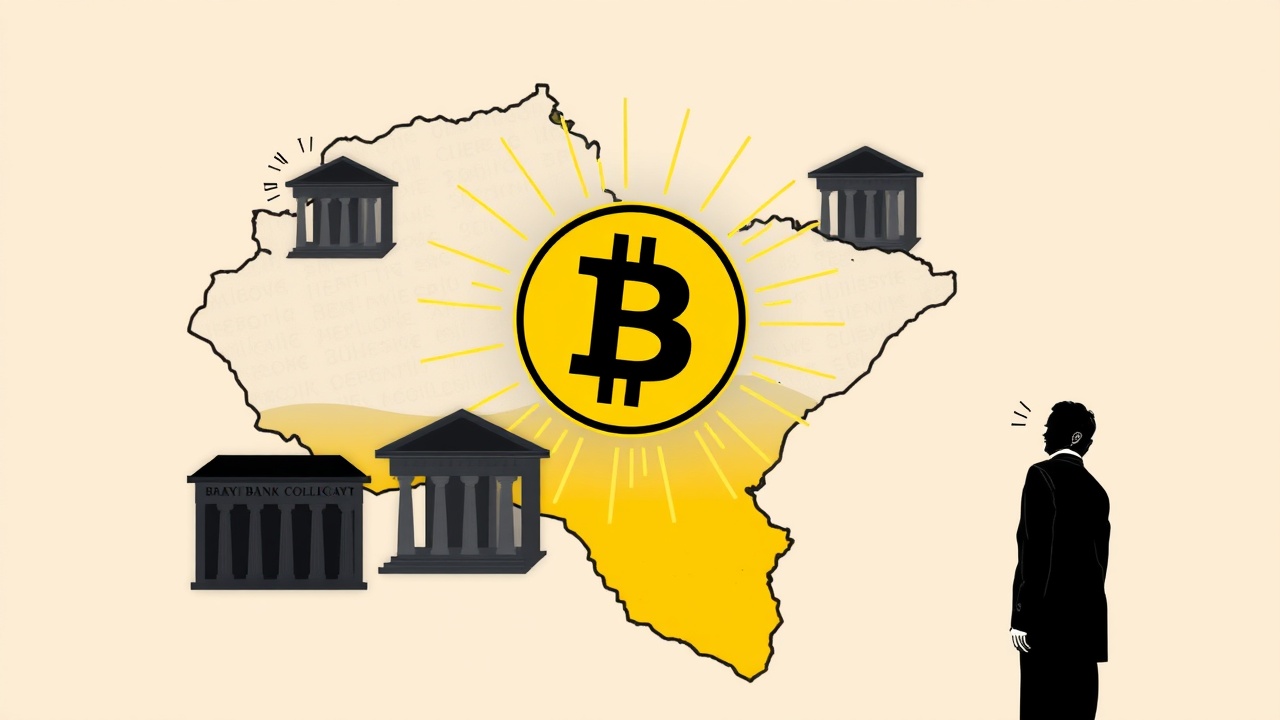
Political Turmoil in Paraguay
The political climate in Paraguay has drastically shifted following the resignation of President Santiago Peña, triggered by the failure of digital bank Ueno Bank. The collapse left about three million customers locked out of their accounts, escalating what began as a financial crisis into a significant political dilemma. Just moments after Peña's announcement, the country's lower house of Congress voted unanimously to initiate impeachment proceedings against him, sending the matter to the Senate while Vice President Pedro Alliana prepared to assume the presidency.
Impact of Ueno Bank's Collapse
Ueno Bank, which catered to a substantial portion of the population, claimed to serve around 2.9 million clients, representing over 60% of adult Paraguayans. The bank also managed nearly $800 million in public funds, including pensions and health care deposits, leading to widespread economic disruption as users found themselves unable to access their savings. The central bank’s intervention to put Ueno into resolution occurred on November 3, as regulators cited its solvency ratio falling dangerously low—below half of what is legally required. As a result, the bank’s services, including its mobile application and payment functionalities, were abruptly suspended.
Allegations and Public Response
Peña once held a financial interest in a business connected to the bank’s owners, provoking accusations of conflicts of interest, which he has refuted, claiming to have divested in his stake back in March 2025. He expressed hope in his resignation address that funds would be returned to depositors, emphasizing the role of the Deposit Guarantee Fund—similar to the FDIC in the United States—in protecting savings. However, public frustration boiled over, with protesters accusing the government of misappropriating funds and enduring decades of economic mismanagement.
Central Bank's Assurance and Cryptocurrency Discussions
The central bank contends Ueno’s issues are an isolated incident, attempting to allay fears of a wider banking crisis. It pledged to guarantee deposits up to 228.3 million guaraníes (approximately $36,000) for affected clients, with priority being given to those maintaining accounts with balances below 10 million guaraníes.
Cryptocurrency advocates have reignited discussions surrounding the risks of dependence on traditional banks, drawing parallels to the origins of Bitcoin, which emerged in the aftermath of a banking crisis. Early proponents often cite Bitcoin’s decentralized nature as a solution against institutional failures, underscoring the crypto adage,
"not your keys, not your coins,"which emphasizes the importance of controlling one’s private keys to ensure access to one’s funds without needing the approval of a third party such as a bank. However, self-custody presents its challenges, as losing access to one’s keys can mean irretrievable losses without any safety net.
Conclusion
With the crisis unfolding, the first wave of guarantee payments by Paraguay’s central bank will focus on those depositors with limited balances, marking a crucial step in the ongoing fallout from Ueno Bank's collapse.