The Bank of Russia’s Cryptocurrency Trading Initiative
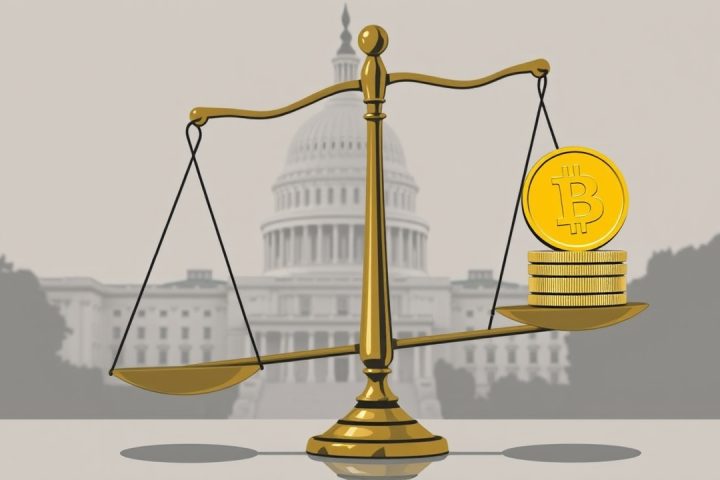
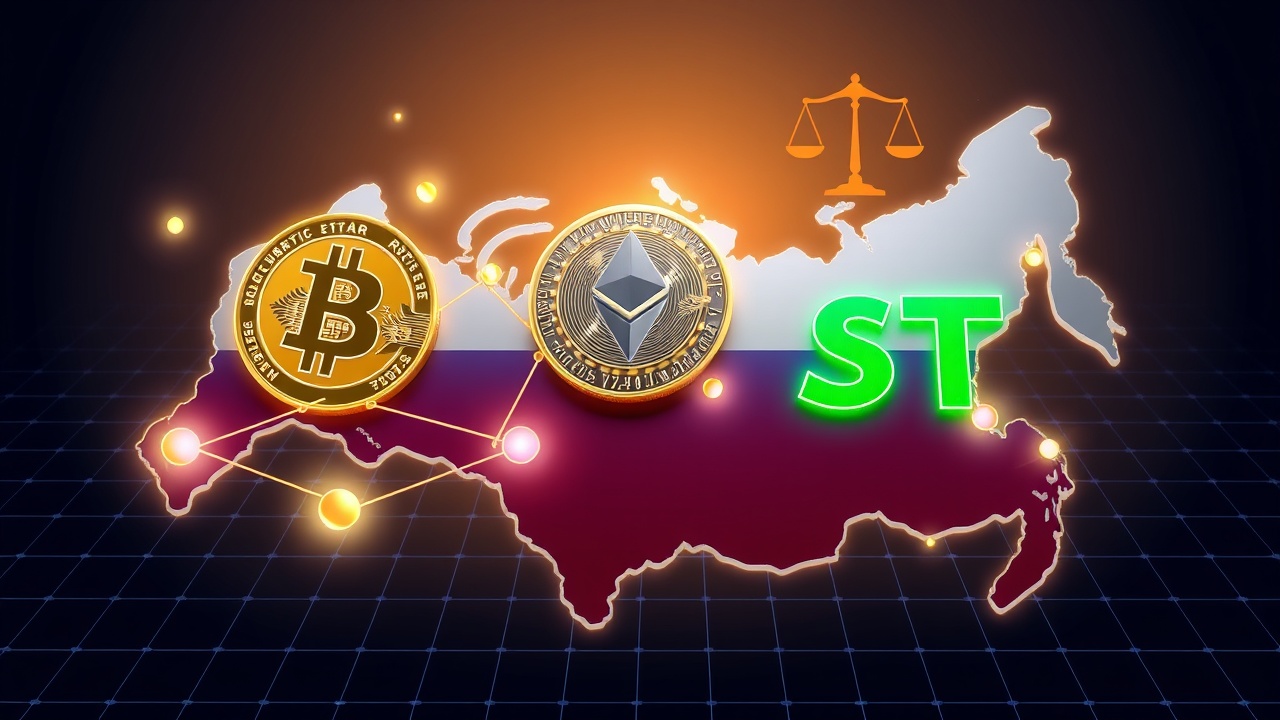
The Bank of Russia is considering allowing trading of Bitcoin, Ether, and Tether’s USDT on regulated exchanges as it prepares to establish a framework for the nation’s emerging cryptocurrency market. On Tuesday, the central bank announced a preliminary list of digital currencies that could potentially be eligible for organized trading based on specific criteria, such as market capitalization, trading volume, and historical price data from international exchanges.
Proposed Candidates and Public Discussion
The proposed candidates— Bitcoin, Ether, and USDT—have been noted for their significant market sizes, daily trading volumes, and a minimum of five years of trading history outside the Russian market. However, the list remains open for public discussion until August 24, which allows time for feedback before finalization.
Legislative Framework and Investor Regulations
This initiative is part of the broader cryptocurrency law, signed by President Vladimir Putin on August 4, which empowers the central bank to oversee which cryptocurrencies can be traded on regulated platforms. The new legislation is set to take effect on September 1, aiming to provide legal access to the digital asset market for both retail and qualified investors.
For retail investors, a purchase limit of 300,000 rubles (approximately $3,650) has been imposed for annual cryptocurrency purchases through various intermediaries such as brokers, exchanges, and asset managers. Furthermore, all prospective investors will be required to pass a knowledge assessment concerning cryptocurrency investing and its associated risks.
The Bank of Russia clarified that these restrictions are designed to mitigate the potential adverse effects of violent price fluctuations in the cryptocurrency markets for non-qualified investors. Qualified investors will also need to undergo testing, but they will not face the same limitations regarding their purchase amounts when trading via exchanges or over-the-counter markets.
Regulatory Standards for Crypto Exchanges
The regulatory framework also mandates that crypto exchange operators must adhere to stringent standards, including registration with a specially designated authority, maintaining a minimum capital base of at least 15 million rubles, and being part of an approved self-regulatory body in the financial sector. They have until July 1, 2027, to meet the new requirements.
In tandem with the new regulations, the central bank is also drafting operations protocols for cryptocurrency exchanges, custodial services, and digital currency account providers, with equity requirements between 50 million to 250 million rubles based on their service types. By maintaining a register of approved market participants, the Bank of Russia aims to enhance oversight and compliance within this developing market.
Future Developments and Market Participation
In the months leading to the law’s enactment, there was a marked effort from lawmakers to craft a suitable framework. This included setting the annual limit of 300,000 rubles for non-qualified investors, ensuring a more controlled entry to the digital asset space.
Notably, the law prohibits the use of cryptocurrencies for local transactions for goods and services within Russia, while still allowing for specific cross-border transactions to facilitate foreign trade.
As this legal framework unfolds, major financial institutions in Russia, including Alfa-Bank and Sberbank, have begun developing products and services to cater to this regulated market. They are preparing infrastructures such as digital depositories and crypto-to-ruble exchanges, anticipating broader access for retail consumers by the end of this year, contingent upon regulatory approvals.
Currently, focus remains on finalizing which cryptocurrencies will be permitted for organized trading, with Bitcoin, Ether, and USDT leading the candidate list as the Bank of Russia opens the floor for public input leading up to the August 24 deadline.