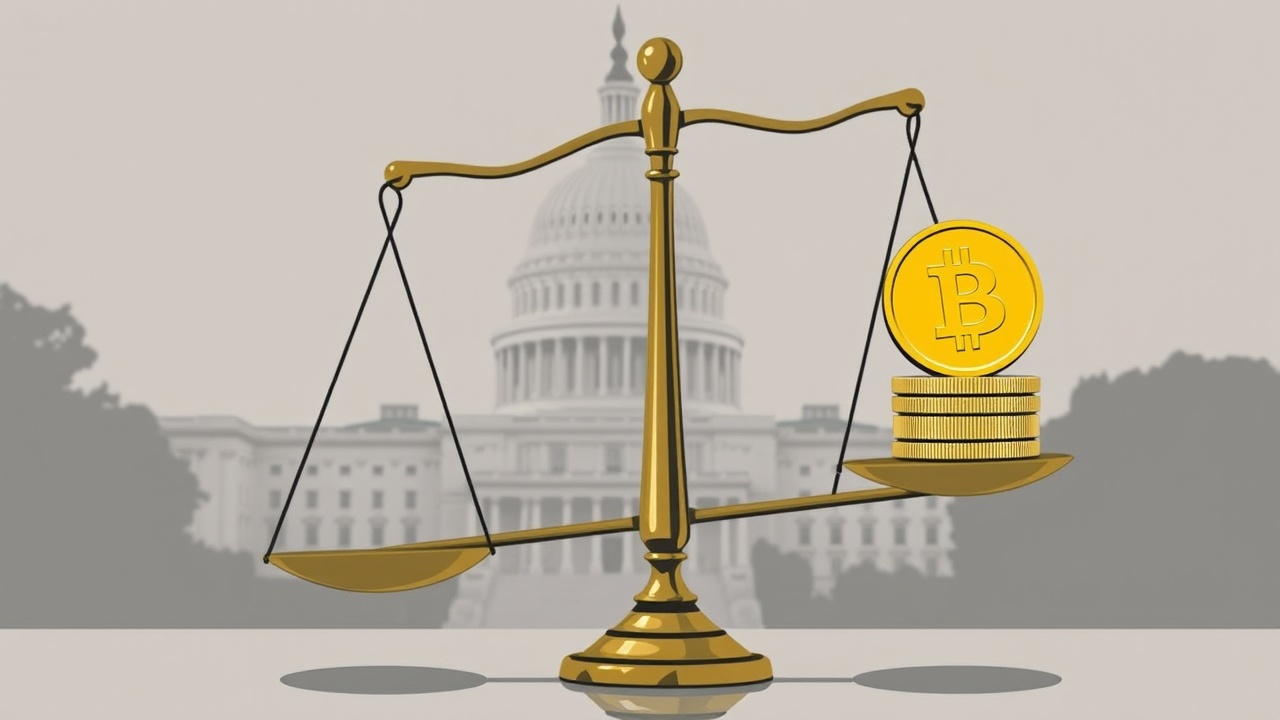
SEC Clarifies Classification of Staking Receipt Tokens
The U.S. Securities and Exchange Commission (SEC) has recently provided clarity regarding the classification of staking receipt tokens, outlining conditions under which they can be designated as digital assets rather than securities. This guidance emerged from an update released on September 25, which builds upon earlier interpretations made by the SEC in March concerning federal securities law related to cryptocurrencies.
Key Focus Areas of the SEC Guidance
In the new Frequently Asked Questions (FAQs), the SEC’s Division of Corporation Finance specifically detailed how certain tokens should be evaluated and the criteria for assessing the promises made by issuers to their buyers. This clarification is not a new regulation but serves as an elaboration on existing interpretations.
One key area of focus for the SEC staff is the nature of the staking receipt tokens. If a token represents ownership of an underlying digital commodity without being tied to an investment contract, it may qualify as a digital asset under the established guidelines. Additionally, tokens whose valuations are associated with the functioning of a decentralized crypto network may also be considered digital commodities.
Understanding Staking Receipts
The staff explained that a staking receipt is essentially a proof of deposit for a certain amount of an asset while allowing the holder to maintain ownership rights. Importantly, these receipts do not modify the existing rights linked to the original asset or provide any extra monetary benefits. It is also stated that the issuers are prohibited from utilizing the deposited assets for their own purposes, safeguarding against creditors’ claims on those assets. This guidance applies equally to staking tokens and redeemable wrapped tokens as described in the March interpretation.
While holders of staking receipt tokens can receive rewards linked to their underlying assets, it is crucial to note that the receipt itself does not dictate these rewards or their amounts, emphasizing the importance of actual rights conferred by the token rather than its designation.
Liquid Staking Arrangements and Investment Contracts
Earlier communications from the SEC highlighted that some liquid staking arrangements, where users receive tokens that denote ownership of their staked assets, do not constitute the sale of securities, further cementing the SEC’s stance as it relates to staking receipts.
The updated FAQs also tackle scenarios where tokens have previously been classified as investment contracts, indicating that continued expectations from buyers regarding the issuers’ management activities would be scrutinized on a case-by-case basis. Once a crypto ecosystem reaches operational functionality, ongoing maintenance or improvement efforts do not solely fulfill the criteria for essential managerial work outlined in the Howey test, according to the interpretation.
Management Changes and Token Buybacks
In another noteworthy point, if the responsibility for essential managerial tasks shifts to a new party, the asset maintains its association with the original investment contract and does not transform into a non-security token because of the change in management. On the other hand, in the absence of any controlling entity, the original issuer’s statements about the network may not yield a new investment contract.
The treatment of token buybacks also received attention, with distinctions made based on the functionality of the crypto network and the claims by the issuer. For a network that is already functional, a buyback announcement does not equate to the issuer’s obligation to perform essential management work. However, before achieving this functionality, such an announcement could have implications if framed as a mechanism to deliver returns to token holders.
Conclusion
These refined guidelines play into larger regulatory proposals previously discussed by the SEC, which explored conditions under which an asset could potentially escape investment contract considerations post-fulfillment of managerial duties by an issuer. Moreover, the SEC clarified that simply listing a token at secondary platforms does not automatically categorize the trading platform as a promoter of that token, instead emphasizing adherence to specific definitions laid out under Rule 405 of the Securities Act.
Ultimately, the staff’s insights, while non-binding and not formal changes to federal securities law, provide a vital lens through which issuers, investors, and platforms can navigate the complex landscape of cryptocurrency regulations.