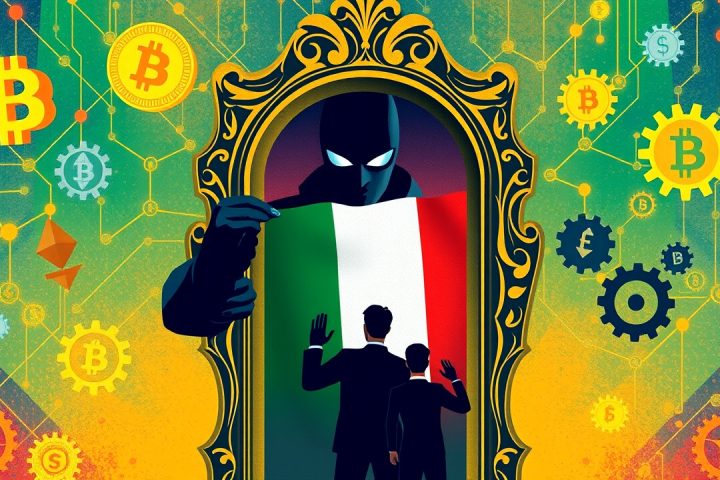
Brazil’s Banking Transformation in Cryptocurrency
Brazil’s financial landscape is undergoing a significant transformation as its largest banking institutions delve into the cryptocurrency market. Itaú, recognized as the nation’s leading bank by assets, has recently begun offering a selection of 15 cryptocurrencies via its investment application, including well-known digital currencies such as Bitcoin and Ethereum, along with the stablecoin USDC, which is pegged to the dollar. Meanwhile, Nubank, the country’s foremost fintech, provides access to an even broader range of 28 different digital assets.
Direct Sales and Transaction Growth
In contrast, Banco do Brasil, a top state-owned bank in terms of profitability, initiated direct sales of Bitcoin and Ethereum to its customers in January. According to reports from Folha de S.Paulo, this service has already facilitated transactions exceeding R$11 million (approximately $2.1 million). Importantly, none of these transactions affect the bank’s balance sheets directly.
Regulatory Landscape and Compliance
Despite these banking advances, a review of official filings from the Central Bank, dated March 2026, reveals that Brazilian banks currently report no holdings of cryptocurrencies on their financial books. This situation persists even as these institutions are authorized to handle and manage crypto assets on behalf of clients.
The rising interest in cryptocurrencies among banks aligns with a notable regulatory shift initiated by Brazil’s Legal Framework for Virtual Assets, which was established in 2022. This framework expanded the Central Bank’s jurisdiction over the crypto sector, complemented by three critical resolutions issued in November 2025. These regulations enforce strict licensing requirements and mandate minimum capital reserves, as well as the need for separate client accounts, in order to operate in this nascent market. Firms must comply with these guidelines by the looming deadline of October 30, 2026.
Notably, one of these regulations—Resolution 521—reclassifies transactions involving dollar-pegged tokens as foreign exchange operations, thus bringing them under the same scrutiny as international money transfers. This change directly impacts stablecoins, effectively drawing them into the Central Bank’s regulatory framework.
Encouragement for Banks to Enter the Crypto Market
Carlos Akira Sato, co-founder of consultancy Syscapital, noted that the clarity provided by these regulations has encouraged traditionally cautious Brazilian banks to step into the crypto arena, making them feel more secure in rolling out new products.
Banco Safra, a smaller institution catering to high net worth clients, has taken a prominent step in this direction by unveiling its own dollar-pegged stablecoin, dubbed Safra Dólar, in September 2025. This move allows clients to gain exposure to the dollar without the need for international accounts, demonstrating a trend where banks are establishing their stablecoin infrastructure rather than relying on existing crypto companies.
Risks and Future Outlook
Importantly, banks’ engagement with cryptocurrencies only manifests when they use their own capital for purchases—incurring risks related to price fluctuations, liquidity, and credit. As it stands, no Brazilian banks have ventured into ownership, distinguishing between facilitating client transactions and investing their funds. With roughly 120 crypto businesses still navigating the path to compliance, banks that have already met regulatory standards now find themselves poised to expand their crypto offerings even further.