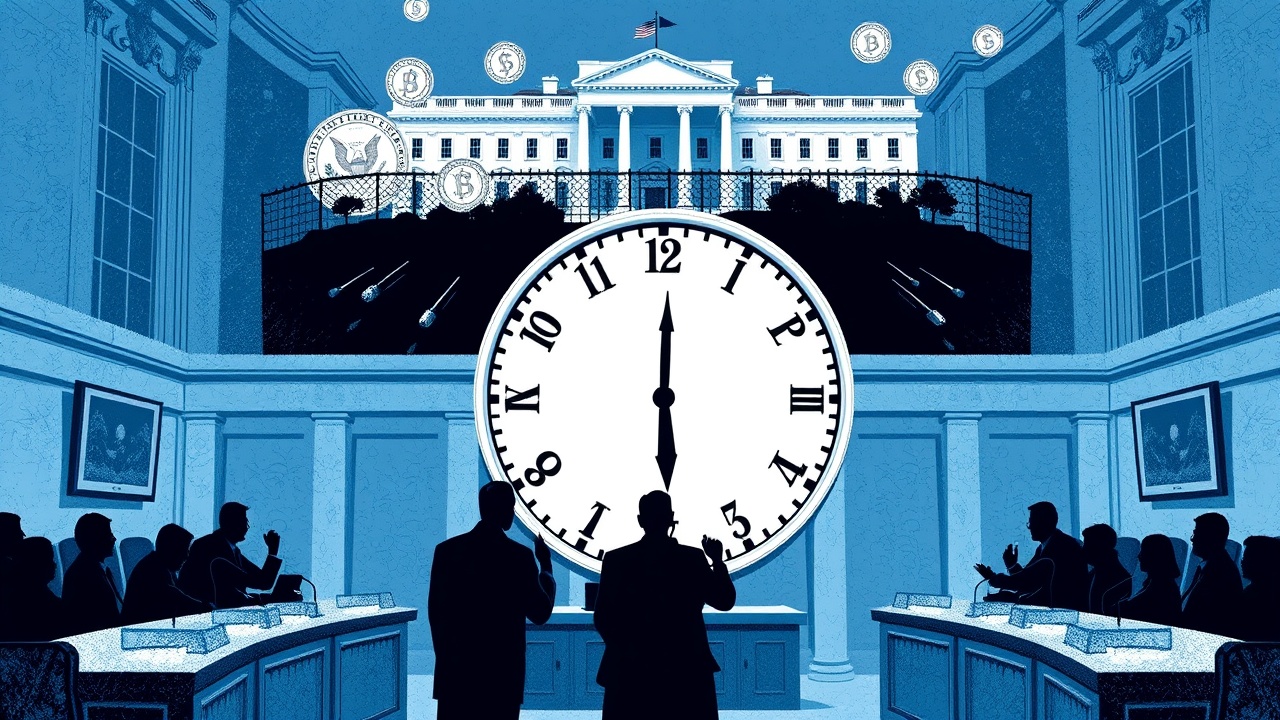
Senator Thom Tillis’ Stance on Cryptocurrency Legislation
Senator Thom Tillis has signaled strong reservations about the Senate’s ongoing discussions concerning a cryptocurrency market structure bill, stating that he will not support the legislation unless it incorporates ethics guidelines regulating the White House’s engagement with digital currencies. In an interview with Politico, Tillis emphasized the importance of including these provisions, suggesting that he would reconsider his role in the negotiation process if such language is omitted.
Call for Ethics Language
He articulated his stance by reinforcing that the legislation cannot progress without establishing clear ethics restrictions:
“There has to be ethics language in the bill before it leaves the Senate, or I’ll go from one of the people working on negotiating it to voting against it,”
he asserted. This demand for accountability reflects growing concerns among lawmakers about potential conflicts of interest in federal dealings with digital assets, particularly in light of recent scrutiny over crypto endeavors associated with former President Donald Trump and his family.
Bipartisan Consensus Required
Further complicating the legislative landscape, Senator Ruben Gallego highlighted that any advancement on the crypto bill hinges on achieving a bipartisan consensus on ethical standards. He stated,
“There is no final bill — there is no final movement — unless there is a bipartisan agreement when it comes to the ethics provision.”
Influence of the Senate Banking Committee
As a member of the influential Senate Banking Committee, Tillis possesses significant sway in determining the fate of the proposal, especially given its alignment with the House-approved Digital Asset Market Clarity Act, which was passed in July. This House version delineates oversight responsibilities between the Commodity Futures Trading Commission and the Securities and Exchange Commission, adding to the complexity of the Senate discussions.
Recent Developments in Negotiations
Recent comments from Senator Adam Schiff indicated that the negotiations are beginning to gain momentum after a period of stagnation. He reported that discussions are becoming more focused, suggesting that various aspects of the bill are beginning to coalesce. Schiff, who previously suggested a comprehensive ban on any federal employee promoting digital assets—due in part to concerns over controversial tokens like memecoins and NFTs linked to Trump—echoed the need for clarity in the legislation.
Challenges Ahead
In addition to ethics issues, disagreements surrounding provisions for stablecoin yields have also presented barriers to the bill’s progression. Tillis is collaborating with Senator Angela Alsobrooks in an attempt to draft language that would regulate the capacity of firms to provide interest on dormant stablecoin assets. This comes amid warnings from banking organizations about the potential risks that yield-bearing stablecoins pose to traditional banking structures and promises from cryptocurrency companies like Coinbase that such limitations could stifle innovation and market expansion.
Despite ongoing negotiations, the bill is not yet positioned to reach the Senate floor for a vote, with crucial aspects around ethical oversight and stablecoin regulations still unresolved. Achieving bipartisan agreement appears essential for any further success of the initiative in the Senate.