Introduction
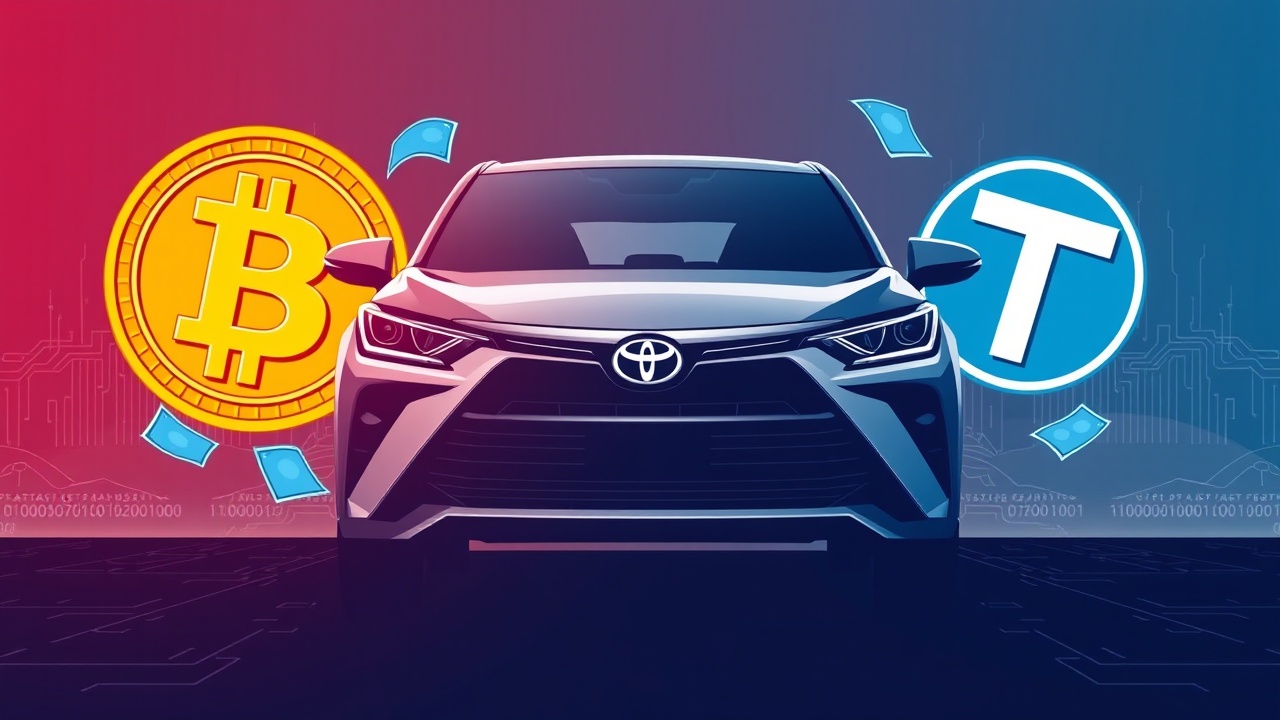
In a significant step for digital currency adoption in Bolivia, Toyosa has launched Bitcoin as a means of payment for customers interested in purchasing Toyota vehicles. This new option comes exactly a year after Toyosa began accepting Tether’s USDT, further diversifying its payment methods.
Launch Announcement
On September 18, the debut of Bitcoin payments was announced during the Expocruz 2026 event in Santa Cruz, with the company making it clear that buyers now have the choice of paying using BTC, bolivianos, U.S. dollars, or USDT.
Partnerships and Infrastructure
BitGo Bank & Trust has confirmed its involvement in this new payment system, revealing that it provides the robust digital asset wallet infrastructure necessary for Toyosa’s Bitcoin transactions. The presence of both Toyosa and BitGo at Expocruz, running from September 18 to September 21, was documented, lending credibility to this innovative offering.
Evolution of Payment Systems
Reflecting on the company’s recent evolution, this Bitcoin facility builds on Toyosa’s previously introduced crypto-payment system initiated at Expocruz one year prior, which allowed customers to use USDT for buying vehicles and parts. This earlier initiative was made possible through collaboration with BitGo, Towerbank, and Tether, ensuring a secure transaction environment.
Transaction Process
Customers wishing to utilize USDT payments previously had to follow a defined process which included obtaining quotes and scanning QR codes from their digital wallets. Supported networks such as Ethereum and Tron were made available for these transactions, with Towerbank reaffirmed as the financial collaborator. Notably, while Toyosa announced the integration of Bitcoin payments, updates regarding specific transaction protocols for purchasing with BTC were yet to be provided, including relevant wallet types and exchange-rate details.
Market Implications
The implications of this payment service are noteworthy; however, as of the latest reports, Toyosa has not disclosed any sales figures related to Bitcoin transactions or identified its initial customer for a BTC transaction. In contrast, prior to the launch of the USDT payment system, it had been publicly confirmed that a transaction involving the stablecoin had taken place.
Role of Financial Institutions
Toyosa clarified that Towerbank plays a crucial role in transaction processing and digital asset management, while BitGo is responsible for the essential infrastructure ensuring secure and traceable transactions. Interestingly, it remains unclear if Toyosa plans to retain Bitcoin payments directly or convert them promptly into fiat currencies—this distinction is critical for accurately understanding the nature of its services.
Historical Context
In an insightful comment during the Expocruz unveiling, Edwin R. Saavedra, Toyosa’s AI director, remarked on Bolivia’s long monetary journey, linking the nation’s past with silver mining in Potosí to its present involvement with Bitcoin, thereby highlighting a significant shift in the historical narrative of currency in the country.
Regulatory Landscape
The legal framework concerning virtual currencies in Bolivia has shifted dramatically since the Banco Central de Bolivia (BCB) lifted restrictions in June 2024, allowing virtual asset transactions through legal channels. However, it’s essential to note that while Bitcoin can now be used for transactions, it does not hold the status of legal tender, which is still reserved for bolivianos.
Growth of Crypto Activity
Crypto activity has surged in the country following the regulatory changes, with reported transactions totaling $294 million within the first half of 2025, a stark increase from the previous year. This burgeoning market has seen Bolivian small businesses increasingly adopt digital asset payments amidst local economic challenges, such as inflation and scarce foreign currency.
Future Outlook
As the landscape of digital finance evolves within Bolivia, authorities are gearing up for tighter regulatory oversight around cryptocurrencies, motivated by an IMF-backed economic reform program. As more entities enter the crypto space, including notable financial institutions like Banco Bisa, the move by Toyosa to include Bitcoin in its payment methods signals a growing acceptance and integration of digital currencies in everyday transactions.