Trump’s Stance on Housing Legislation
In a notable political move, President Donald Trump announced on Thursday his intention to refuse endorsement of a bipartisan housing measure known as the 21st Century ROAD to Housing Act. This act also contains a provision for a multi-year prohibition on the issuance of a U.S. central bank digital currency (CBDC). The housing reform is designed to streamline construction processes in the U.S. and curb the acquisitions of residential properties by institutional investors.
Protest Against Senate Inaction
Trump’s decision to abstain from signing the legislation, he stated on his social media platform Truth Social, is a form of protest against the Senate’s recent inaction on the SAVE America Act—a contentious proposal aimed at tightening voting regulations, which Trump has fervently supported. Despite his opposition, congressional Republicans have acknowledged that the chances of the SAVE America Act becoming law are slim.
Constitutional Implications
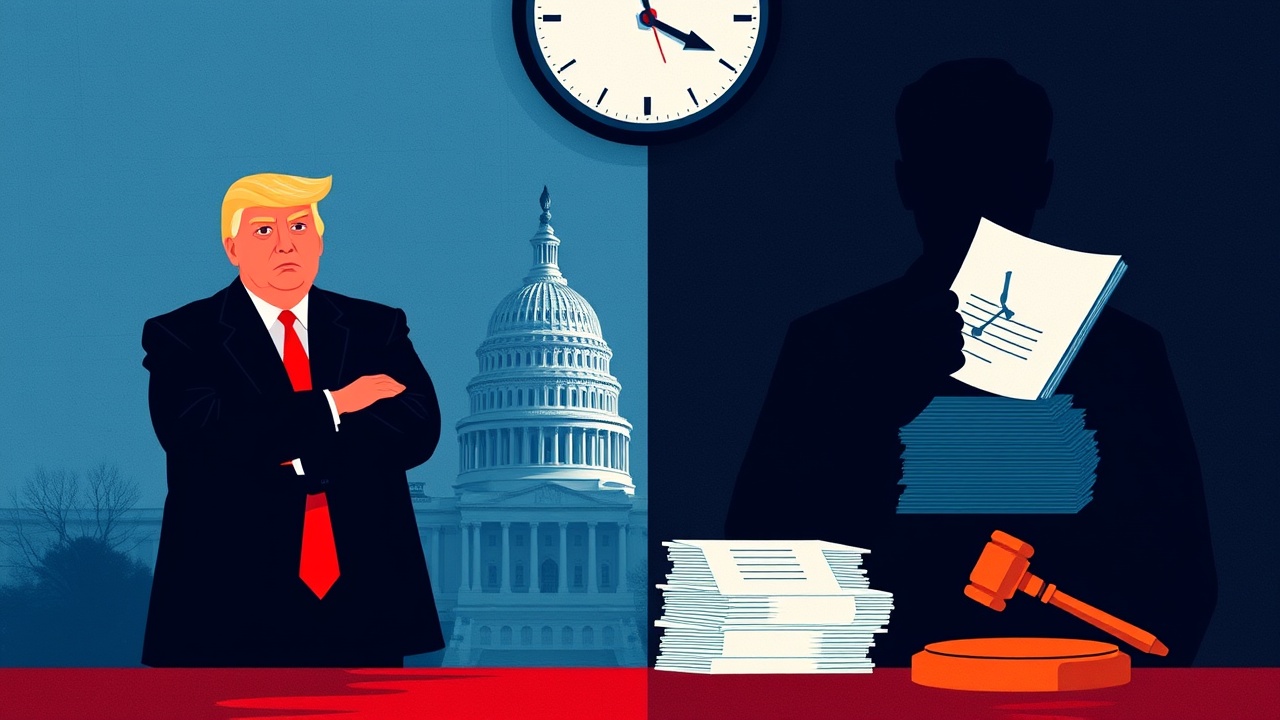
It’s crucial to note that Trump’s refusal to sign does not necessarily block the housing bill from becoming law. The U.S. Constitution stipulates that if a bill is not vetoed by the President within ten days, it will automatically be enacted, assuming Congress remains in session. This deadline is set to expire at midnight tonight.
White House Response
A White House official, when contacted by Decrypt for clarification on whether Trump plans to take formal action against the legislation before the deadline, redirected queries to Trump’s post on Truth Social, leaving the matter unresolved.
Potential Veto and Congressional Support
If Trump were to officially veto the bill, it would return to Congress, necessitating a two-thirds majority in both chambers to override his decision. Previously, the 21st Century ROAD to Housing Act enjoyed strong bipartisan support, passing the Senate with an overwhelming 85-5 vote and the House with 358-32.
Concerns Over CBDC
The provisions concerning the CBDC within this bill have been positively received by advocates of cryptocurrency and civil liberties, who express concerns that a government-administered digital dollar could lead to invasive monitoring of citizens’ financial activities. While the Federal Reserve continues to explore the implications of a digital currency, it has made it clear that such an initiative would only proceed with Congressional approval.