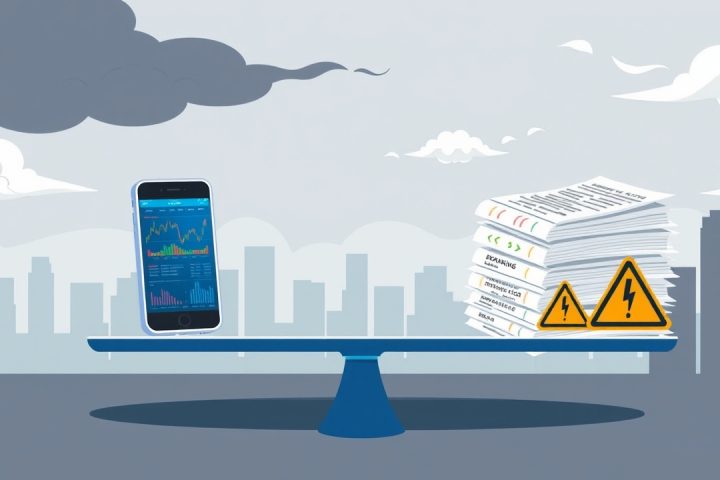
Understanding Wallet Draining in Cryptocurrency
In the world of cryptocurrency, a troubling phenomenon known as ‘wallet draining’ has emerged, resulting in the loss of billions of dollars for countless users. Interestingly, the mechanism behind these thefts does not involve hacking or stolen passwords but rather plays on the trust of users who unknowingly authorize harmful transactions. This comprehensive guide aims to shed light on how wallet drainers operate, the token-approval system they exploit, the rise of a malicious service industry, and essential strategies to safeguard your digital assets.
The Mechanics of Wallet Draining
Wallet drainers are tools crafted to extract cryptocurrencies and non-fungible tokens (NFTs) from wallets by tricking users into signing permissions they do not fully comprehend. The Achilles’ heel of this system lies in the fact that victims voluntarily grant access to their assets through a signature, allowing the blockchain to execute the action as it perceives it to be legitimate. This shift from targeting the technical infrastructure of blockchain to exploiting human psychology defines the current era of crypto theft.
The shifting landscape of cryptocurrency security becomes evident when one examines the method behind wallet draining. Instead of relying on technological vulnerabilities, criminals concentrate on the human element. By designing malicious contracts that request broad approvals, fraudsters can gain unlimited access to a user’s tokens. Many individuals often overlook the permanence of these approvals, which can remain active for years after they were granted. Understanding the nuances of token approvals is critical to recognizing the risk they pose; a contract can potentially drain funds whenever it chooses until the user revokes permission.
The Rise of Drainer-as-a-Service
The alarming growth of the ‘drainer-as-a-service’ model marks a significant development in this space. It enables non-technical criminals to execute sophisticated draining operations by renting ready-made packages of harmful tools, including phishing templates and automated asset-sweeping capabilities. This commercialized approach removes the technical barrier previously required to launch such attacks, allowing a burgeoning market of attackers to proliferate without deep knowledge of coding.
How Drainer Attacks Unfold
Exploring the typical flow of a drainer attack reveals a well-orchestrated sequence. Initially, a user may be lured through phishing sites that appear to be affiliated with popular projects. Once convinced, they are prompted to sign a transaction, unaware that they are authorizing daunting permissions over their assets. This deceptive framing can make the proposed action seem routine, but in reality, grants the attacker unwanted control. With a single click, victims can unwittingly facilitate the instant transfer of their holdings to the attackers before realizing the gravity of the situation.
Prevention Strategies
While prevention is often underestimated, establishing robust habits plays a vital role in protecting one’s funds. Users should treat every signing request as serious, approach websites with caution, and meticulously verify their legitimacy before connecting their wallets. Moreover, using wallets equipped with features that provide clear transaction descriptions can help demystify signing requests, thereby mitigating blind signing risks. Additionally, regular audits of active approvals can significantly reduce potential vulnerabilities, as unused permissions remain active unless revoked.
A Cautionary Tale
To illustrate the urgent need for vigilance, consider this hypothetical scenario: an individual receives a notification about a limited-time airdrop from what appears to be a trusted source. Eager to participate, they hurriedly connect their wallet and sign the transaction, unaware that they’ve granted an unlimited approval to the perpetrator’s contract. By the time they realize no such airdrop exists, their previously secure assets are already transferred out, and the malicious approval remains intact.
The Importance of User Responsibility
The profound implications of wallet drainers serve as a stark reminder of user responsibility in the realm of digital self-custody. While blockchain technology offers users exceptional control over their finances, it also burdens them with the need for vigilant security practices. As long as these draining operations continue to operate with relative impunity, users must adopt a cautious and proactive attitude towards their online interactions in the crypto space.
Conclusion
In conclusion, understanding the mechanics of wallet drainers and the psychological tactics employed is essential for cryptocurrency holders. The recognition of your own signature as a powerful tool accountable for securing assets carries weighty implications. The responsibility for maintaining security lies not only in the technology but chiefly in the behavior and awareness of the user. Navigating this landscape wisely can empower users to protect their investments from nefarious actors relentlessly adapting to exploit inevitable human mistakes. Take time to reinforce your security knowledge, review previous permissions, and remain vigilant about the authenticity of all signing requests.