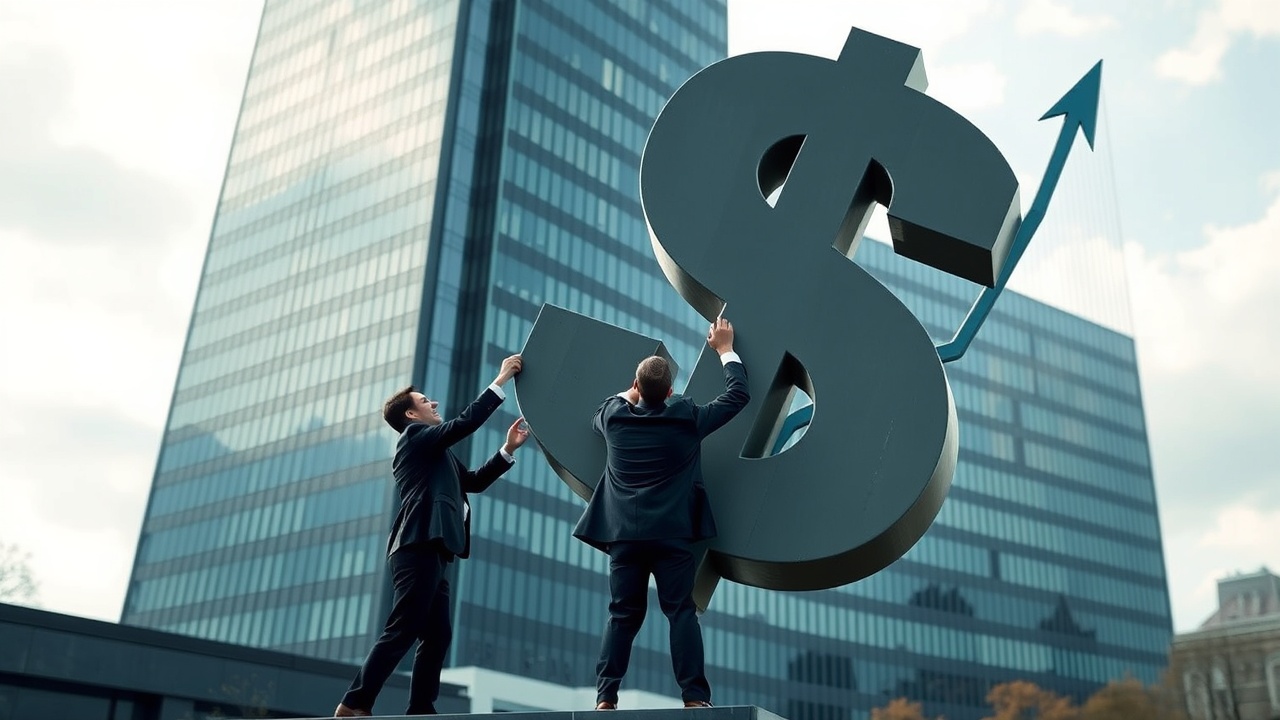
Understanding Stock Buybacks
In corporate finance, stock buybacks—sometimes known as share repurchases—are when a company utilizes its available cash to reacquire shares it has previously issued. This practice has gained traction in the cryptocurrency sector, particularly among Bitcoin treasury firms, where it is often employed when companies face stagnation in growth. This article explores the intricacies of stock buybacks, their implications for shareholders, and how they intersect with the burgeoning landscape of crypto finance.
The Mechanics of Buybacks
To demystify stock buybacks, we first need to note that they are a prevalent method for companies to return value to investors. By buying back shares, a business decreases the total number of outstanding shares in circulation. As a result, any remaining shares represent a larger piece of the company’s assets and earnings. The transaction occurs at the market price, allowing any shareholder to sell their shares voluntarily.
The underlying logic is relatively straightforward: when a company decreases its share count, each remaining share accounts for a greater proportion of the company’s profitability. The mechanic behind this buyback process means that while the company’s gross profit might remain unchanged, earnings per share can improve. This mathematical outcome can lead to a perceived increase in the company’s market value, especially if the buyback is seen as a sign of management’s confidence in the stock’s undervaluation.
Advantages of Buybacks
Buybacks offer a couple of core advantages over direct cash distributions to shareholders, like dividends. One significant aspect is their indirect method of redistributing value. Rather than dispersing cash immediately, a buyback makes each remaining share more valuable by concentrating the ownership of existing shareholders. This strategic decision stems from the idea that a well-timed buyback can enhance shareholder returns, especially when the company’s stock is undervalued.
Common Strategies for Executing Buybacks
Companies usually execute buybacks through several common strategies. The most frequent method is an open-market repurchase, where a company gradually buys back shares on the stock exchange based on market conditions, typically defined by a pre-approved amount set by its board. This approach allows flexibility in decision-making—companies can increase purchases during favorable price points and decrease them when conditions aren’t supportive.
In contrast to open-market repurchases, a tender offer presents a more aggressive strategy where a company directly proposes to buy back a certain number of shares from shareholders at a premium price. This tactic can bolster investor interest but requires careful planning and market timing.
Broader Implications of Buybacks
Buybacks can also serve critical objectives beyond merely enhancing shareholder value. They can provide a clear signal to the market, demonstrating that management believes the stock is undervalued. Moreover, companies frequently engage in buybacks to counterbalance dilution caused by issuing new shares, which can occur during employee compensation plans. Without such measures, shareholders risk losing their proportional stake in the company over time.
The relationship between buybacks and share prices hinges on multiple factors, including supply and demand dynamics, market perception, and earnings per share calculations. As companies buy back shares, they not only create demand in the market, potentially pushing share prices higher, but they also report improved financial metrics, which can attract more investors. This phenomenon often fosters a sense of optimism among investors, reinforcing the idea that buybacks are a sign of a healthy, confident company.
Criticism and Risks of Buybacks
However, not all aspects of buybacks are favorable. Critics argue that they can mask underlying business stagnation, as companies may artificially inflate earnings per share figures without genuinely improving operational profitability. There is also a concern that buybacks may redistribute wealth from the company to shareholders, particularly if the repurchases are poorly timed or funded through debt, leading to increased financial risk.
Buybacks in the Cryptocurrency Sector
In the realm of cryptocurrencies, companies focused on holding Bitcoin and other digital assets find themselves turning to buybacks distinctly due to their growth models. These firms commonly launch new shares at a premium over the value of their crypto holdings, utilizing the proceeds to purchase additional digital assets. However, when the market premium narrows or disappears, introducing new shares can dilute existing shareholders. In these scenarios, buybacks become an attractive strategy to enhance the backing of remaining shares with their crypto holdings.
The nuanced differences between stock buybacks and crypto buybacks are noteworthy. For example, while a stock buyback reduces shares in circulation permanently, it is possible for repurchased shares to be re-issued later. Conversely, a crypto buyback-and-burn destroys tokens outright, eliminating them from circulation entirely. The permanence of this mechanism starkly contrasts with buybacks in traditional equity markets, which can often be reversed.
Conclusion
In summary, stock buybacks play a vital role in corporate finance, providing companies with a means to support share prices, signal confidence, and manage dilution. As Bitcoin treasury firms increasingly embrace this tactic amid evolving market conditions, understanding the nuances and strategic implications of buybacks will be paramount for investors navigating both traditional and digital finance landscapes. This exploration serves to clarify not only the mechanics of buybacks but also the critical decision-making processes companies undertake regarding their capital return strategies.