Unexpected Wins in Solo Bitcoin Mining: 2026 Marks 36 Block Discoveries
In 2026, solo bitcoin miners scored 36 jackpot wins, showcasing remarkable individual successes against industrial competitors in digital gold mining.
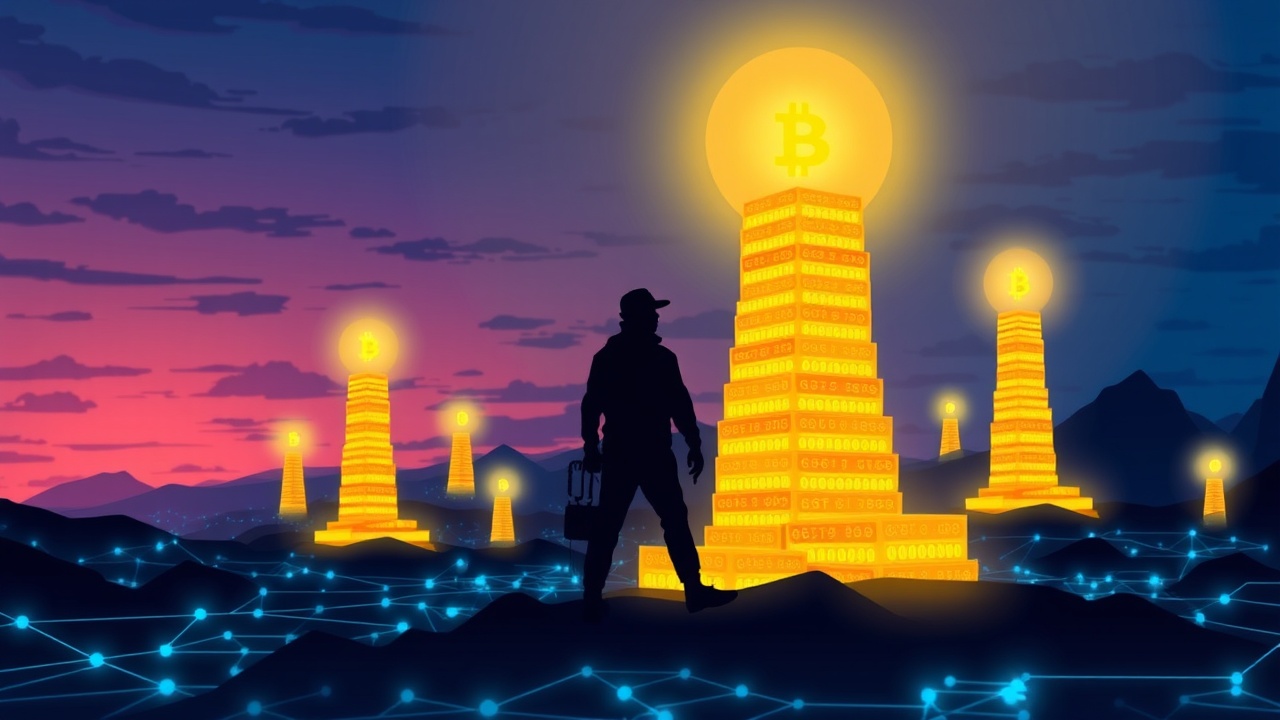
Bitcoin Mining: A Surprising Upsurge in Solo Success
In an unexpected twist of fate, a small-scale bitcoin mining device scored a significant win in early November, adding to a growing list of remarkable solo mining successes in 2026. Differing from the massive mining operations that typically dominate the sector, solo miners have managed to uncover as many as 36 blocks this year, yielding millions in rewards.
The Thrill of Solo Mining
Visualize the scene: an entry-level mining setup plugged into a standard outlet triumphs over large-scale competitors, securing a reward of 3.125 BTC plus transaction fees. This scenario mimics the thrill of winning a perpetual lottery, where individual miners test their luck against vast mining farms filled with industrial hardware. Despite the low likelihood that they will discover a block, each computed hash offers a fleeting chance at a lucrative reward.
Recent Achievements in Solo Mining
On November 5, 2026, Solo Satoshi, a retailer focused on bitcoin mining technology, shared the remarkable news that one of its devices had successfully mined a block. They posted on X: “Block#974238 has been claimed! Yet again, one of our devices, the NerdQAxe++ Rev 6, has struck a block. One of our early customers reached out to share this fantastic news!”
This follows a previous report of another miner using a Bitaxe Naja Duo and a NerdQAxe++ Rev 7 who had also found a block within the same mining pool.
Understanding the Mining Landscape
Though the announcement showcases the success of smaller devices in mining, it's crucial to note that the Braiins FPPS platform is a pooled reward system, indicating that miners might not receive the full block reward individually. Shortly after Solo Satoshi’s update, CKPool Solo disclosed that a miner, with a hash rate exceeding half a petahash, successfully mined block 974893, providing further evidence of individual success in the solo mining arena. CKPool’s developer indicated the miner faced a one in 35 chance of solving a block in a year.
Statistics and Trends in Solo Mining
The weekend saw considerable activity with two solo miners discovering blocks just hours apart. According to statistics from Soloblocks.io, solo miners have collectively found 36 blocks from February 11 to November 7, totaling around 113.149 BTC in rewards—a value nearing $8.5 million. Each block reward is approximated to be between $236,500 to $241,700 based on current market price, but these are gross figures, and actual payouts will vary based on the arrangements of the mining pools.
The timeline of these discoveries reveals the potential and trials faced by solo miners. The first of the recorded blocks in 2026 was discovered on February 11 and was followed by varying numbers of successes each month, peaking in November with seven verified discoveries. However, not all so-called solo miners operate simple machines, as some are backed by small farms boasting significant computational power.
The Mining Ecosystem
Interestingly, the mining ecosystem ranges from energetic home devices like the Bitaxe, which can generate about 1.2 terahash per second, to more potent machines like the NerdOctaxe that pushes around 8 TH/s. The global landscape of bitcoin mining highlights a striking disparity between personal hobbyist setups and large industrial operations, demonstrating the odds stacked in favor of bigger installations while maintaining the allure of competing based on luck and randomness.
Challenges for Small-Scale Miners
Bitcoin mining pools offer a more accessible entry point for those not ready to invest in extensive setups. Unlike standard pooled mining, genuine solo mining arrangements reward only the finder of the block, typically with a fraction taken for fees, making the endeavor appealing despite its economic challenges.
However, expectations for annual returns are sobering. For example, a 6 TH/s Avalon miner could consume upwards of $184 in electricity yearly against potential earnings of roughly $75 before fees. In stark contrast, larger operations often negotiate lower energy costs, emphasizing the uphill battle small-scale miners face. The compelling nature of mining hinges on the possibility and thrill of hitting a block, a jackpot others might only dream of.
Conclusion
The recent successes underscore how even smaller miners can engage in the competitive environment of bitcoin mining, embracing the enormous odds. The upcoming months may hold more surprises as these enthusiasts push forward in their quest within the cryptographic lottery of bitcoin mining.
Also in other languages: РусскийDeutschFrançaisItalianoEspañol