Scammers Exploit Tether’s USDT in Venezuela
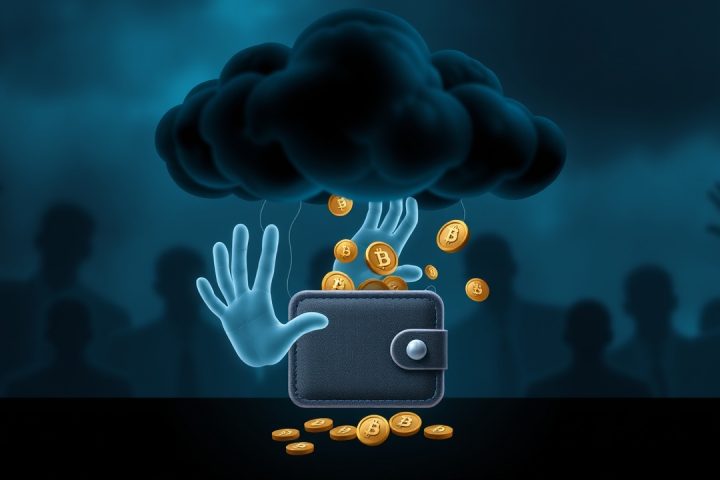
In Venezuela, a troubling trend has emerged as scammers exploit the widespread acceptance of Tether’s USDT stablecoin to defraud merchants. Reports suggest that these criminals are introducing counterfeit USDT tokens that possess no monetary value, specifically targeting merchants who utilize self-custodial wallets.
How the Fraudulent Scheme Unfolds
Juan Kassabji, a prominent tech advocate in Venezuela, has highlighted how this fraudulent scheme unfolds at checkout counters. Scammers request that merchants utilize external wallets that display these counterfeit tokens, which are designed to mimic the appearance of legitimate USDT stablecoins through deceptive smart contracts. However, while these impostor tokens are labeled as USDT, they do not share the same smart contract address as the genuine currency, rendering them worthless.
Despite their lack of real value, the swindle is effective; criminals are able to finalize transactions and leave the store with goods by misleading merchants into believing they have received valid payments.
Kassabji revealed that one merchant fell victim to this scheme, believing they had received over $5,500 in payment.
Previous Encounters with Fake Tokens
This issue is not entirely new; users of cryptocurrency have previously reported encounters with fake tokens during peer-to-peer exchanges. Some digital wallets incorporate security measures to help identify and warn users of these non-authentic tokens, but such protective features vary widely across wallet providers and are not universally applied.
New Tactics and Safeguards
The approach of using these fake tokens for physical transactions, however, marks a novel tactic in the realm of scams. To safeguard against these fraudulent schemes, Kassabji advised merchants and users to conduct thorough checks on their self-custody wallet balances after each transaction. If the payment was executed using a counterfeit token, the balance will remain at zero.
He also recommended that merchants process payments exclusively through platforms like Binance, known for only crediting verified USDT tokens to their users’ accounts. Furthermore, it is imperative for recipients to ensure that any tokens received match the contract address of Tether’s official USDT.
Conclusion
While these scams pose significant threats, a separate report by Bitfinex Securities underscores the importance of tokenization as a means of enhancing operational efficiency within the Venezuelan market, pointing towards a potential path for democratizing investment opportunities in the nation.