Vietnam’s Inaugural Licensing System for Crypto-Assets
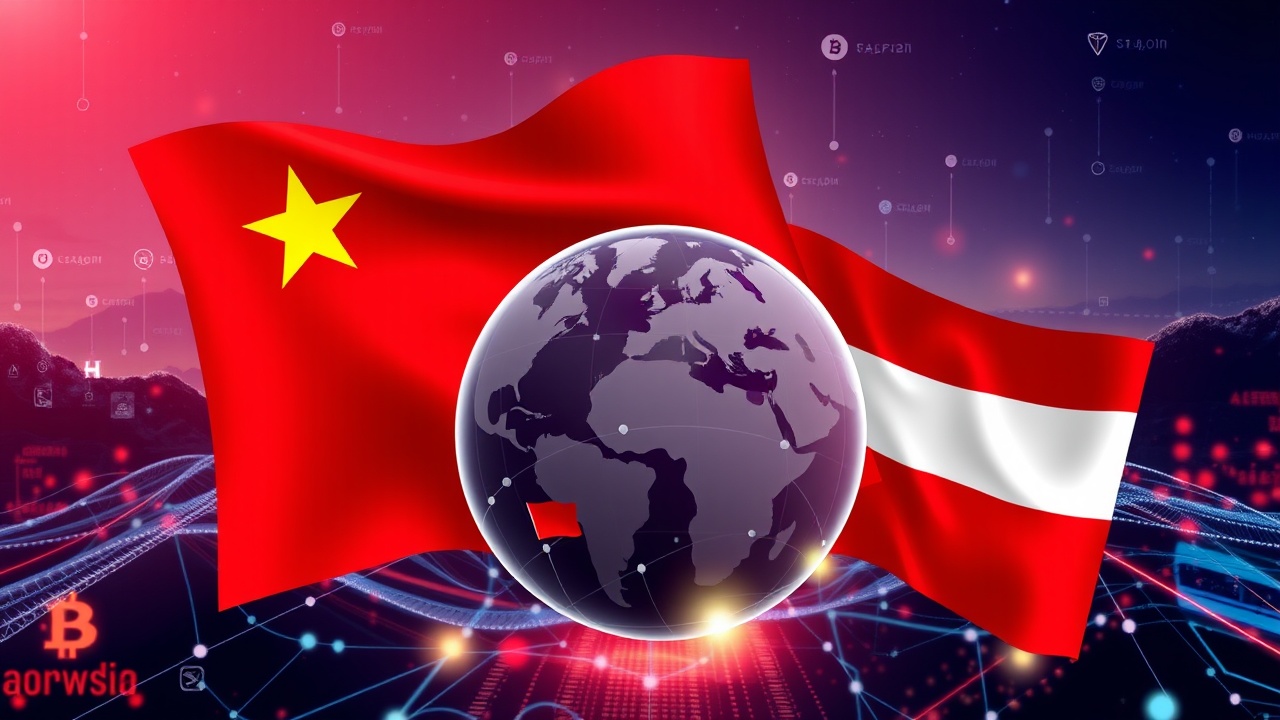
Vietnam is set to introduce its inaugural licensing system for crypto-asset service providers by 2026 as part of a pilot legal initiative aimed at enhancing oversight of its financial sector. This announcement was made following a meeting on September 15 in Vienna between Nguyen Duc Chi, Vietnam’s Deputy Minister of Finance, and Mariana Kuhnel, the Executive Director of the Austrian Financial Market Authority (FMA). The discussions focused on strengthening bilateral ties and sharing best practices in financial regulation, as highlighted by the State Securities Commission of Vietnam (SSC).
Modernizing Financial Regulations
As part of the preparations, Chi indicated that Vietnam is working on modernizing its financial regulations to accommodate emerging asset classes and technological innovations. The SSC has disclosed that the forthcoming licensing will facilitate the launch of the country’s first digital asset platforms under the newly established legal framework.
International Regulatory Integration
In her comments, SSC Chairwoman Vu Thi Chan Phuong emphasized the integration of international regulations, particularly drawing insights from the Financial Action Task Force (FATF) and models used by European Union institutions.
“A dedicated supervisory mechanism is under construction to oversee service providers and ensure transactional integrity with a strong focus on risk management, investor protection, and combating money laundering,”
Phuong explained.
Restructuring Stock Exchanges
Moreover, Vietnam is exploring a restructuring plan for its stock exchanges, especially those catering to small- and medium-sized enterprises (SMEs), which constitute about 99% of the country’s businesses. This initiative aims to enhance market transparency, safeguard the quality of listed financial products, and mitigate risks such as market manipulation.
Government Support for SMEs
In light of these efforts, Chi noted that the government is revising support policies to bolster SME governance, ensure compliance, and facilitate digital transformation, thereby improving their access to financing and capital markets.
Collaboration with the FMA
Kuhnel further pointed out the distinction between EU regulations and their implementation at the national level by the FMA, which supervises banks, insurers, investment firms, and cryptocurrency service providers in Austria since its establishment in 2002. She proposed organizing online workshops for experts to facilitate continuous cooperation and enhance coordination through the International Organisation of Securities Commissions (IOSCO). Chi welcomed this initiative, highlighting its potential to turn shared knowledge into actionable collaborations.
Conclusion
This comprehensive approach to developing a regulatory framework for crypto assets symbolizes Vietnam’s ambition to modernize its financial landscape, including initiatives for real-world asset tokenization to attract international investments.