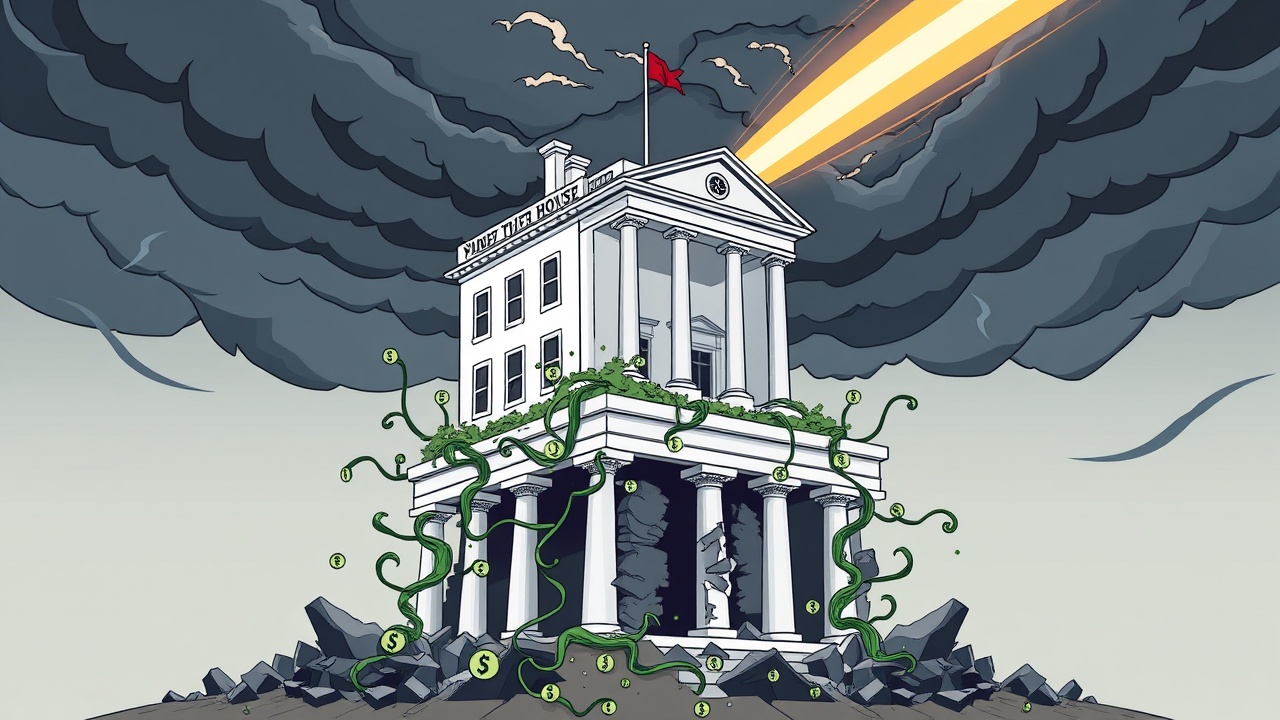
Clash Between Banking Sector and White House
In a notable clash between the banking sector and the White House, major banks in the United States are attempting to impede the advancement of new stablecoin regulations currently under consideration by Congress. These banks argue that the proposed rules could pose risks to the financial system and disadvantage traditional banking institutions. However, the administration has stepped in, urging these financial institutions to cease their opposition and allowing the legislative process to continue unimpeded.
Concerns Raised by Bank Representatives
The concerns raised by bank representatives center around the potential for non-bank entities, including prominent technology firms, to issue stablecoins without undergoing the rigorous oversight that conventional banks are subjected to. They believe that this disparity could lead to an uneven competitive landscape and enhance systemic risks in the overall payments ecosystem.
Impact on Stablecoin Legislation
This resistance marks a significant hurdle for the stablecoin bill, which has previously enjoyed bipartisan support as it sought to strike a balance between innovation and consumer protection. With the White House now making its stance clear, it is evident that the administration prioritizes the swift passage of stablecoin regulation, viewing any delays caused by the banking lobby as unacceptable.
White House Intervention
The intervention from the White House is particularly striking, as it is uncommon for the executive branch to directly influence financial legislation still making its way through Congress. Lawmakers are currently focused on crafting a regulatory framework for stablecoins, which are increasingly viewed as essential components of digital assets, with market valuation exceeding $230 billion for dollar-pegged tokens alone.
Future of Stablecoin Activities
Implementing a structured regulatory environment could foster wider institutional acceptance and enhance the competitive position of US issuers against foreign counterparts. However, failing to enact such legislation risks pushing stablecoin activities overseas, consequently leaving the market devoid of clear federal oversight.
Looking Ahead
As the banking lobby’s response develops in the days ahead, it could significantly impact Congress’s trajectory toward a decision on stablecoin regulations before the upcoming summer recess.