The XRP Ledger Enhancements
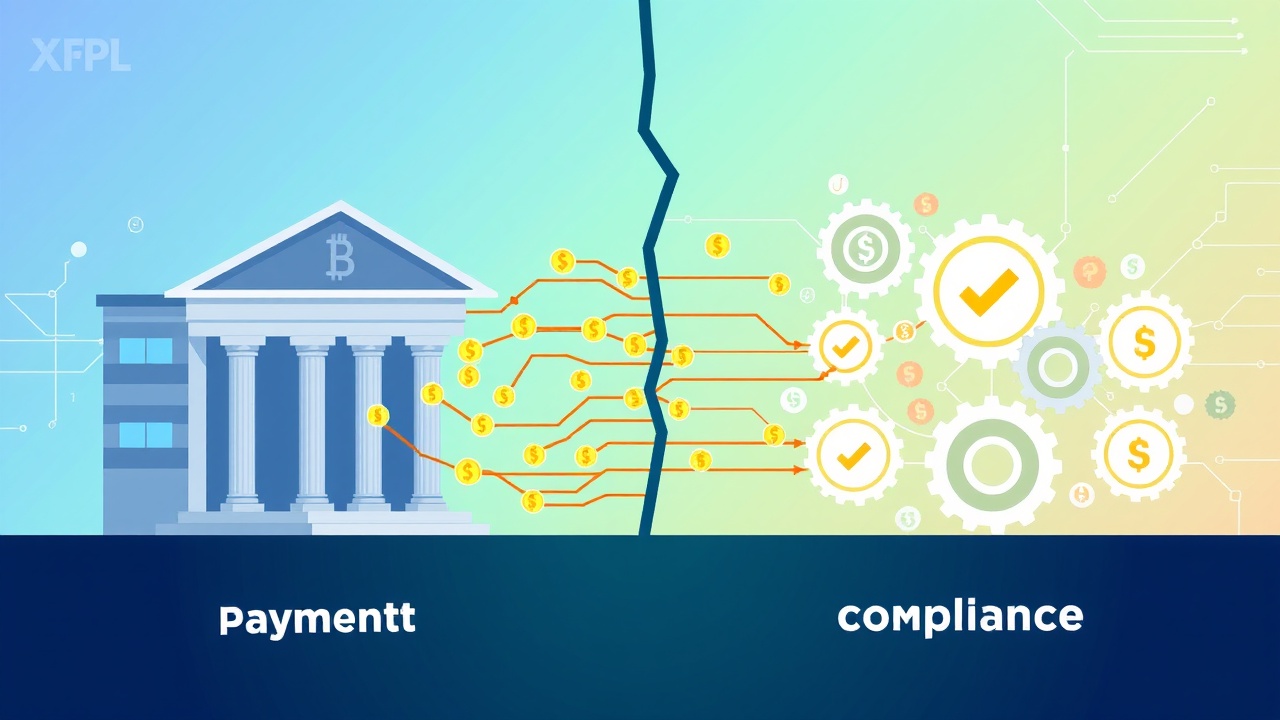
The XRP Ledger (XRPL) is set to enhance its framework to mimic traditional banking account controls, enabling financial institutions to segregate various operational duties while retaining oversight of their accounts. This new functionality, named PermissionDelegationV1_1, permits one XRPL account to allocate specific permissions to another account, such as facilitating payments or verifying customers. As outlined in the official XRPL guidelines, this advancement is aimed at implementing role-based access control in conjunction with established security measures like multi-signing.
Upgrade Rollout and Validator Support
Initially, the rollout of this upgrade was slated for activation on October 5. However, due to a temporary shortfall in validator support that dipped below the required threshold, the countdown for activation was reset. Should validator support stabilize above 80%, the activation is now projected to take place around October 8.
Practical Implications of the Upgrade
The practical implications of this upgrade are clear. For example, a stablecoin issuer can secure its most critical signing keys offline, while a distinct compliance account is authorized to approve customer activities. Moreover, an operations account could be granted access to make payments without the ability to alter keys or reassign permissions. This approach mirrors the existing structure in conventional financial establishments, where separate responsibilities are allocated to different teams and systems.
Each delegated account will have the capacity to manage up to ten specific permissions, which the primary account can modify or revoke at any time. Coinpaper has previously discussed this amendment when it entered its activation phase, highlighting its potential to enhance XRPL’s suitability for handling institutional account management.
Security Improvements
It is important to note that PermissionDelegationV1_1 supersedes a prior version that was retracted due to a significant security vulnerability. The original code risked allowing unauthorized transactions, which could improperly deduct fees prior to the completion of signature validation. The amended version rectifies this issue by altering the rejection process for invalid transactions, ensuring that fees cannot be deducted until the signature has been authentically checked.
Validator Consensus and Future Initiatives
Given this context, validator consensus is crucial for the upgrade’s success. Any XRPL amendment requires more than 80% validator support over a two-week period before it can be activated, and a decline below this threshold resets the countdown. Coinpaper has previously detailed the voting process for XRPL amendments.
This progress towards permission delegation is part of a larger initiative to render XRPL more accessible to regulated financial entities. The network is already equipped with permissioned domains and a restricted decentralized exchange (DEX), which limits access to on-chain markets to wallets possessing approved credentials. Additionally, developers are investigating the implementation of KYC-only liquidity pools tailored for banking institutions.