Shifting Focus in Cryptocurrency Regulation
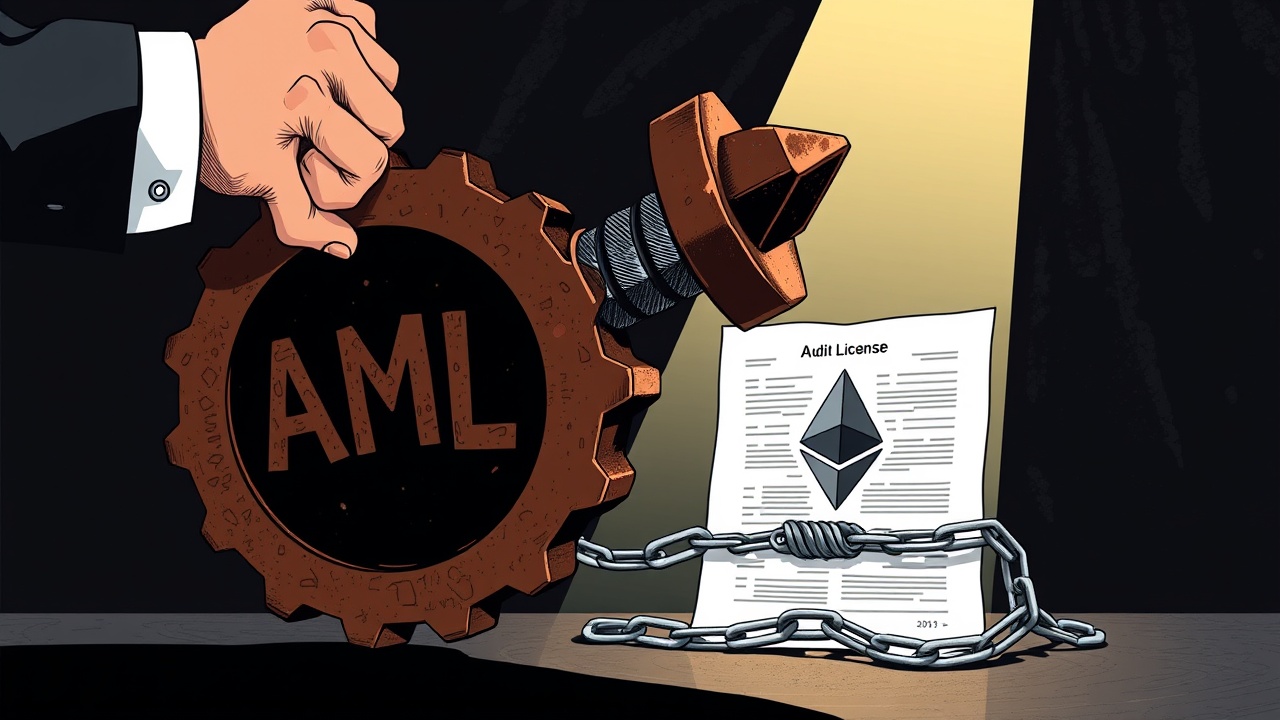
In a significant shift in the cryptocurrency landscape, CertiK’s recent report for 2026 asserts that the once-contentious debate over whether certain tokens qualify as securities is not the primary focus anymore. Instead, the pressing concern lies in anti-money laundering (AML) enforcement, which has the potential to abruptly sever access to banking, fiat channels, and cryptocurrency exchanges for non-compliant projects.
Regulatory Landscape and Compliance
The alarming statistic from the first half of 2025, where regulatory bodies imposed over $900 million in fines related to AML violations, underlines this new reality. Regulators are prioritizing the enforcement of Know Your Transaction (KYT) measures, sanctions compliance, and monitoring of suspicious activities over the protracted legal battles surrounding niche interpretations of the Howey Test.
CertiK’s findings indicate a notable transformation towards what they describe as a “strong compliance era.” This paradigm shift highlights that compliance frameworks across jurisdictions, including the United States, European Union, United Kingdom, and significant Asian markets, are largely established, with the main concern now lying in their effective execution rather than basic principles of regulation.
In this new landscape, AML compliance serves as a decisive mechanism enabling regulators to pressure banks, payment processors, and centralized exchanges into halting operations for projects that fail to adhere to the set standards, all without necessitating new legislative action.
Technical Requirements and Stablecoin Regulations
On the technical front, CertiK emphasizes the evolution of smart contract security audits from optional enhancements to essential requirements for operation. Protocols aiming for success must now undergo regular audits carried out by reputable firms to satisfy the risk assessment processes of centralized exchanges and institutional investors.
Additionally, stablecoins are trending towards a limited regulatory framework that stipulates full reserves, transparent backing, and issuance by entities that operate under stringent, bank-like oversight. This movement narrows the innovative avenues for algorithmic or less collateralized stablecoin structures and mandates alignment with traditional financial regulations.
Implications for Developers and Entrepreneurs
For developers and entrepreneurs within the cryptocurrency space, the message conveyed by the report is stark and unequivocal: foundational investments must now encompass multi-jurisdiction licenses, ongoing AML and KYT compliance systems, and consistent audit practices. Without these key elements, access to institutional funding, collaboration with payment processors, and visibility on prominent exchange listings is severely restricted, regardless of how robust the underlying product may seem in the market.