Beware of counterfeit USDT: Your wallet might show a false dollar balance you can't cash out
Beware of fake USDT tokens that display a dollar balance but cannot be sold. Forta's investigation reveals deceptive trading practices behind them.
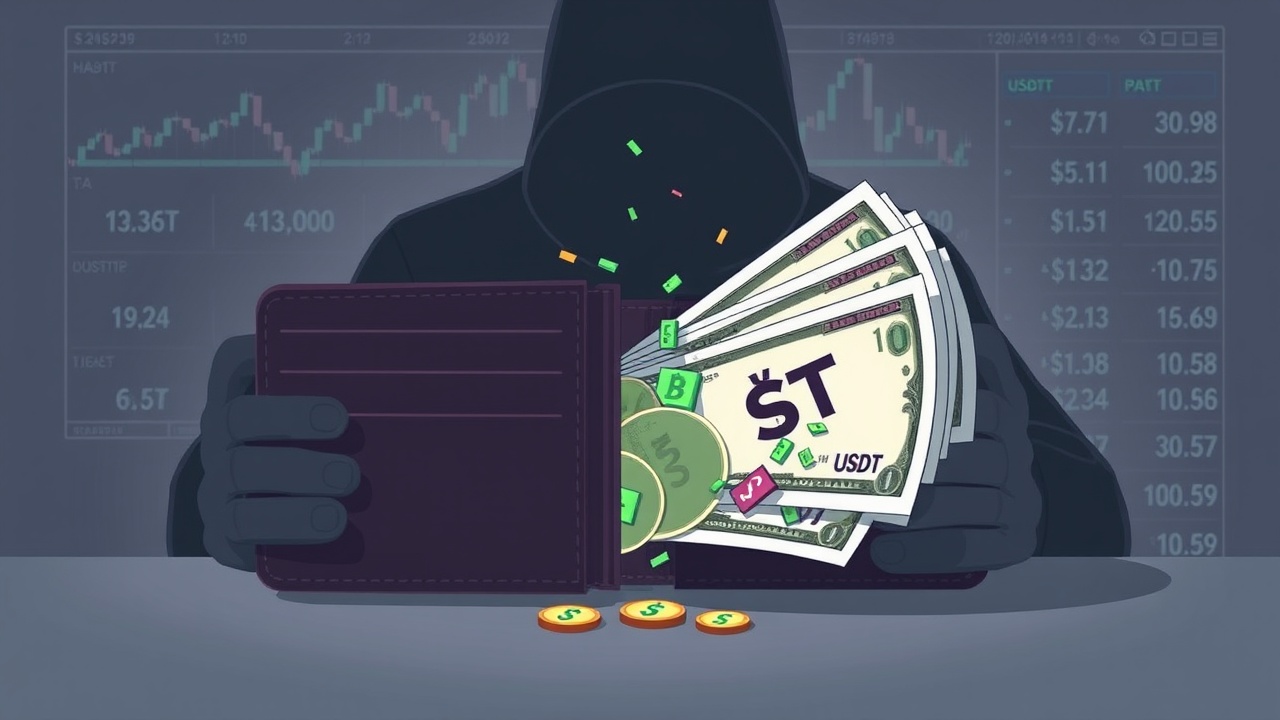
Investigation into Counterfeit USDT Tokens
An investigation carried out by Forta, a blockchain security firm, has revealed that certain counterfeit versions of USDT can deceptively display a dollar balance in users' wallets, while simultaneously preventing holders from selling these tokens at market value. This alarming discovery was highlighted in their report published on November 10, identifying 32 tokens that maintained their prices through a series of trades conducted in restricted environments known as PancakeSwap Infinity pools.
Analysis of Counterfeit Tokens
Forta's analysis showed that when they simulated an attempt to sell these suspect tokens, all 32 were unsuccessful, highlighting a disconnect between the displayed dollar value and the actual market worth. This situation creates a potential for fraud where a seller may view a trustworthy balance, even though they possess a token that cannot be exchanged for real assets. These counterfeit tokens were kept afloat in price through the consistent support of automated trading wallets—referred to by Forta as keepers—which engaged in high-frequency trading activities to manipulate the perceived value.
The keepers, able to trade freely within the pools while external users faced restrictions, ensured that the tokens appeared stable at prices ranging between $0.99 and $1.005. This arrangement allowed the wallets to present an attractive dollar figure, masking the fact that there was no genuine liquidity available for outsiders. Within this context, Forta noted that a typical token could maintain a pegged price for periods ranging from two days to nearly three months, even impacting tokens like USDC and others in the ecosystem.
High-Frequency Trading and Fraudulent Assets
One notable exercise pointed out that a keeper executed over 9,500 trades within just four days, contributing to the illusion of value in these tokens. Throughout their study, Forta identified an expansive array of 151 similar fraudulent assets, including 115 imitations mimicking the dollar and notorious cryptocurrencies such as BTC, BNB, and ETH.
Real-World Impact and User Experiences
A seller who interacted with Forta shared their experience of exchanging in-game assets for what they believed was genuine USDT, only to find that the tokens were counterfeit after trying to deposit them to an exchange.
The close resemblance of the token’s name and symbol, using characters that visually mimicked those of USDT, further obscured the deception. Forta's scrutiny of transaction patterns led to the discovery of multiple addresses linked to a group that accumulates counterfeit tokens, sometimes acquiring vast quantities for minimal payments. They noted that distinguishing between actual values and inflated token amounts can be challenging, especially because such counterfeits are often available at a fraction of their supposed value.
Warnings and Recommendations
In light of this fraud, Binance released a cautionary statement on September 24, highlighting the prevalence of fake-payment scams involving tokens that mimic legitimate cryptocurrencies. The firm urged users to perform thorough checks on token contracts and scrutinize names for any misleading characters. In a similar vein, Forta emphasized the importance of verifying wallet tokens to differentiate between counterfeit and authentic cryptocurrencies, reminding them that a familiar logo and apparent balance may not signify true Tether ownership.
Also in other languages: РусскийDeutschFrançaisItalianoEspañol