Circle’s Exclusive Industry Gathering in South Korea
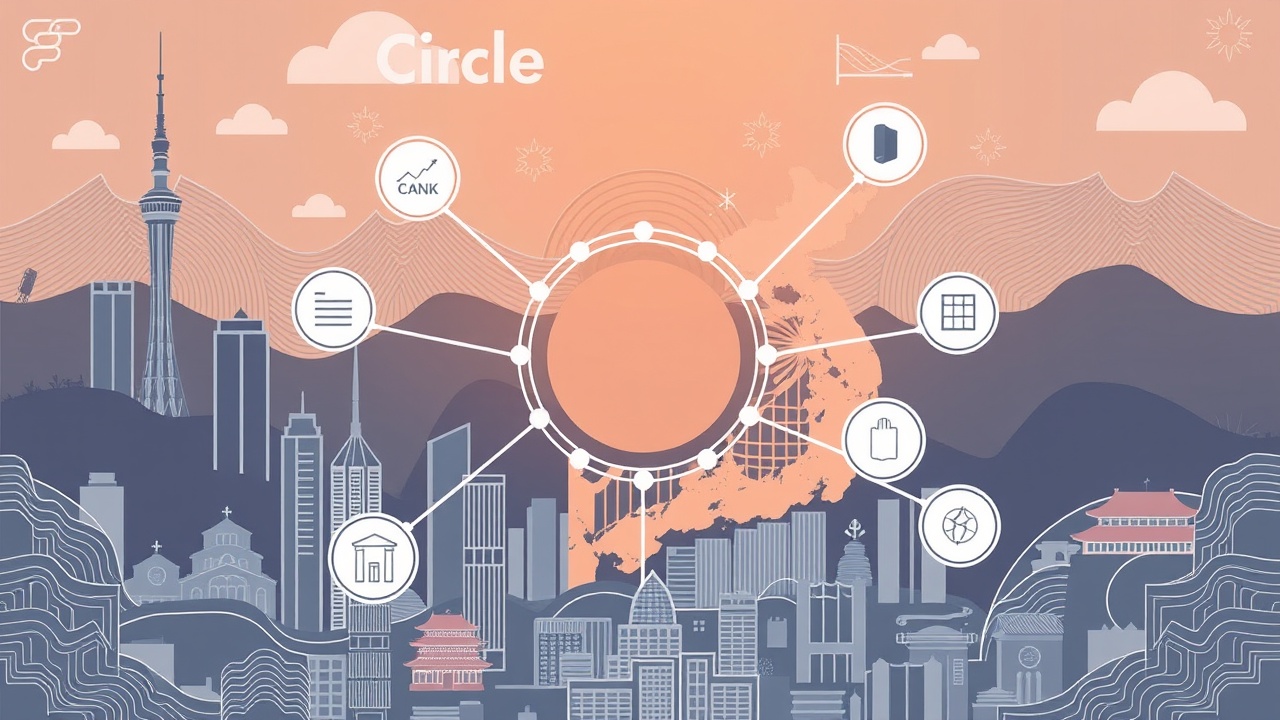
In an effort to solidify its presence in the South Korean market, Circle is organizing an exclusive industry gathering dubbed “Current Seoul” later this month. Set to take place on July 23 at the prestigious Josun Palace in Seoul, this event aims to foster collaborations with banks, cryptocurrency exchanges, and payment firms. Industry insiders, including reports from The Korea Herald, highlight that the event’s core theme will focus on “Korea at a Crypto Inflection,” with a strategic emphasis on discussions surrounding regulatory frameworks, industry alliances, and sustainable business partnerships.
Building on Previous Engagements
This forthcoming event builds on the groundwork laid during Circle’s CEO Jeremy Allaire’s recent trip to South Korea in April, where he engaged with leaders from top financial institutions such as KB Kookmin Bank, Shinhan Bank, and major cryptocurrency exchanges including Upbit and Bithumb to explore potential collaborations. Circle is well-represented at the event, with speakers set to include key figures from within the organization, such as Chief Strategy Officer Dante Disparte and Asia-Pacific head Yam Ki Chan. Additionally, notable representatives from the Korean financial sector, including Kakao Pay’s CEO Shin Won-keun and Park Jong-baek from Bae, Kim & Lee, are also slated to speak.
Circle’s Strategic Interests in South Korea
Allaire has previously identified South Korea as a particularly promising market, crediting its state-of-the-art technology sector and vibrant engagement in digital assets, combined with a robust regulatory environment. Part of Circle’s interest revolves around leveraging the Circle Payments Network to facilitate cross-border payment solutions in collaboration with local firms.
Recent Developments in Circle’s Financial Infrastructure
The Seoul event arrives shortly after Circle made significant strides in expanding its financial infrastructure within the United States. On July 10, the company secured approval from the U.S. Office of the Comptroller of the Currency to establish Circle National Trust, a nationally regulated trust bank that will initially focus on providing custodial services for digital assets. This entity could eventually extend its services to institutional clients and play a role in managing reserves of USDC, although a timeline for such developments has not yet been disclosed.
Augmenting Banking Partnerships
Moreover, Circle has been busy augmenting its banking partnerships. Recently, Standard Chartered introduced an integrated service with Circle that allows certain institutional clients to mint and redeem USDC seamlessly through the bank’s platform, thus bypassing the need to establish direct accounts with Circle. This offering represents a first-of-its-kind combination of fiat banking services and blockchain technology tailored for institutional customers.
Furthermore, BNY Mellon has collaborated more closely with Circle by designating USDC as the inaugural stablecoin on its digital asset custody platform, streamlining the processes for its clients to mint and manage USDC directly.
Competition and Market Challenges
As Circle pushes into the Korean market, it faces intensifying competition from other dollar-backed stablecoin issuers. This was evident when Circle’s shares dropped by 17% following the announcement of Open USD, a new stablecoin initiative that introduces a revenue-sharing model among participating firms. This contrasts Circle’s current operational strategy, where it retains control over reserve income.
The rollout of Open USD has triggered uncertainty regarding its consortium, notably as some firms cited in its development—including major players like Samsung and Shinhan Financial Group—clarified they had only conversed about their potential involvement rather than formally agreed to participate, as reported by Chosun Biz. Meanwhile, Open Standard has asserted that OUSD will share reserve income among its consortium members, distinguishing it from Circle’s existing approach.