Circle’s Stance on Korean Won Stablecoin
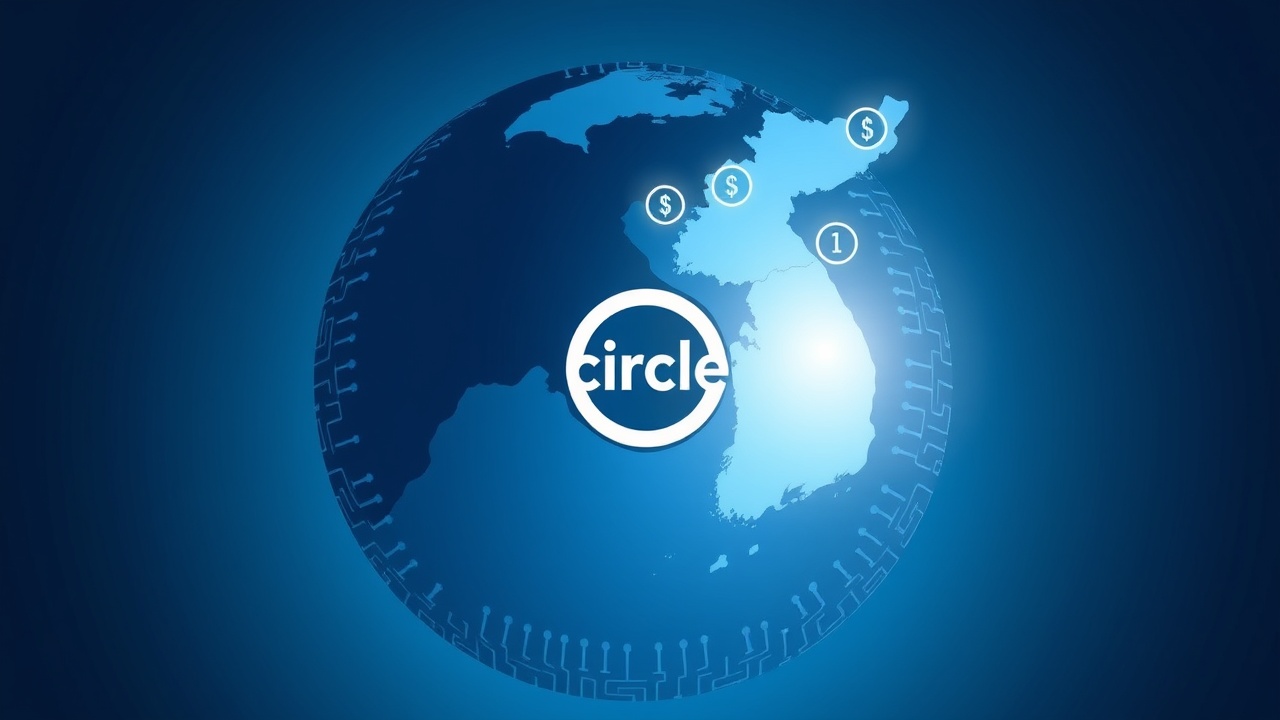
In a recent statement made during a press conference in Seoul, Circle CEO Jeremy Allaire announced that the company will not be pursuing the issuance of a stablecoin pegged to the Korean won at this time. However, he emphasized the importance of a privately developed KRW token, labeling it as essential for enhancing South Korea’s competitiveness in the digital economy.
Regulatory Framework and Future Partnerships
Allaire indicated that while Circle is keen to strengthen its footprint in South Korea, its expansion will hinge on the establishment of clear regulatory guidelines surrounding stablecoin operations. He articulated that Circle is monitoring the development of new legislation affecting digital currencies and expressed a willingness to operate within the legal framework set forth by Korean authorities.
“We may find ways to partner with Korean won issuers and to support these emerging consortiums as they explore building Korean digital currencies.”
Despite recognizing the necessity for a Korean won stablecoin, Allaire suggested that the token is more likely to emerge from a collective of Korean financial institutions, fintech companies, and digital asset firms, rather than from Circle itself.
Strategic Moves in South Korea
As a recognized issuer of the USDC stablecoin, which ranks among the largest dollar-backed cryptocurrencies worldwide, Circle has already begun making strategic moves in South Korea as the country prepares to finalize a stablecoin regulatory framework under the newly proposed Digital Asset Basic Act. Recent reports from KuCoin indicate that both Circle and rival Tether have ramped up operations in the region, anticipating compliance requirements that may necessitate overseas issuers of won-pegged stablecoins to establish local branches and maintain full reserve backing.
Instead of contouring a direct KRW stablecoin, Allaire has proposed leveraging Circle’s robust infrastructure as an underpinning for potential future Korean stablecoins. He showcased the capabilities of Circle’s Arc blockchain, crafted specifically for facilitating stablecoin transactions, along with the Circle Payments Network designed to bridge traditional financial systems with blockchain-based payments.
Future of Stablecoins in South Korea
Additionally, during his visit, Allaire forged new partnerships for the distribution of USDC with local firms, motivating the dialogue around the necessity of stablecoins in a competitive future. He stated,
“Currencies without a stablecoin will be left behind in future competition,”
reinforcing his conviction that a privately-led won stablecoin is an inevitability, despite Circle’s current non-involvement in its creation.
Ultimately, Circle aims to position USDC and its underlying technology as critical components that may facilitate connectivity between any forthcoming KRW stablecoin and the global liquidity landscape, akin to how dollar tokens currently operate as a vital link for South Korean exchanges and remittance services. Circle’s infrastructure-first strategy seeks to secure its relevance within a tightly regulated market while navigating the complexities of local monetary policies, a balancing act that the company is actively managing in Seoul.