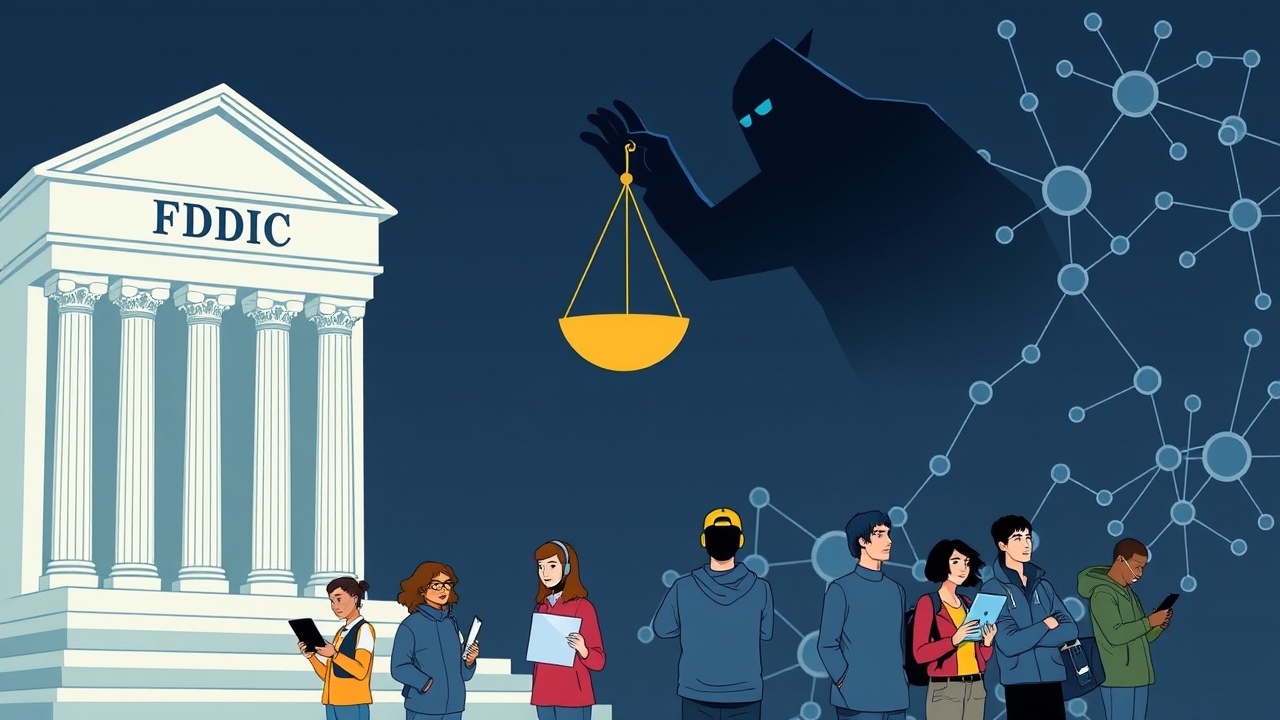
Consensys Calls for Reconsideration of FDIC’s Stablecoin Framework
Consensys, a blockchain software firm, has called on the Federal Deposit Insurance Corporation (FDIC) to reconsider aspects of its proposed framework for stablecoins. The firm expressed concerns that certain provisions linked to the newly enacted GENIUS Act may inadvertently limit typical distribution practices and accessibility to decentralized finance (DeFi) tools.
Feedback and Regulatory Submissions
This feedback is part of a wider initiative, which includes prior submissions made to U.S. regulatory bodies, such as comments directed to the Office of the Comptroller of the Currency on May 1 and another focused on state-level regulation sent to the Treasury Department.
These three distinct filings aim to articulate Consensys’s stance on the regulatory landscape that is expected to shape payment stablecoins over the next decade. A central point of contention lies in the FDIC’s proposed rule that enacts the GENIUS Act—legislation ratified earlier this year that set guidelines concerning reserves, redemptions, custodial responsibilities, and capital requirements for stablecoin issuers.
FDIC’s Proposed Rules and Concerns
In April, the FDIC revealed a comprehensive 191-page draft requiring stablecoin issuers to maintain dollar-for-dollar reserves, which could include cash and highly liquid assets, such as short-term U.S. Treasury securities. Additionally, the proposal establishes mandatory timelines for redemption and imposes auditing responsibilities on larger issuing entities, alongside capital and liquidity stipulations. However, it notably does not extend federal deposit insurance to stablecoin holders, even if issuers’ reserve assets are deposited in insured financial institutions.
Contestation of Restrictions
In its latest submission, Consensys contested the FDIC’s interpretation of the restrictions concerning stablecoin remuneration, claiming it exceeds the lawmakers’ intentions expressed in the GENIUS Act. The firm pointed out that the proposed framework could mistakenly encompass conventional commercial relationships, particularly those that involve third-party distribution and brand licensing.
Citing the legislative background of the GENIUS Act, Consensys noted that while discussing potential regulations, lawmakers had previously contemplated restricting involvement from external parties but ultimately decided against such limitations.
Implications for DeFi Access
Furthermore, the firm dedicated a segment of its filing to the implications for DeFi access through self-custodial wallet applications. According to Consensys, the GENIUS Act should protect non-custodial financial tools, asserting that developers of these wallets should not be classified as intermediaries when users engage directly with DeFi protocols. They clarified that when users utilize stablecoins via self-custodial wallets, the yields are not derived from the issuer but from the DeFi protocol itself.
Regulatory Recommendations
Additionally, Consensys urged regulators to refrain from automatic enforcement actions regarding reserve requirements and redemptions, cautioning that enforced penalties might create what they termed “cliff-edge dynamics,” potentially jeopardizing stablecoin holders’ interests during turbulent market conditions. The submission also called for a more flexible regulatory language that does not favor specific technologies when defining critical terms like distributed ledgers, smart contracts, and cross-chain stablecoin operations.
Conclusion
As federal regulators continue to develop the regulations surrounding the GENIUS Act in accordance with legislative timelines, earlier guidance from the FDIC has shown alignment with a February proposal from the OCC, which also mandated that stablecoins be fully backed by reserves and delineated approval processes for federally regulated issuers.