Evolution of the European Financial Landscape
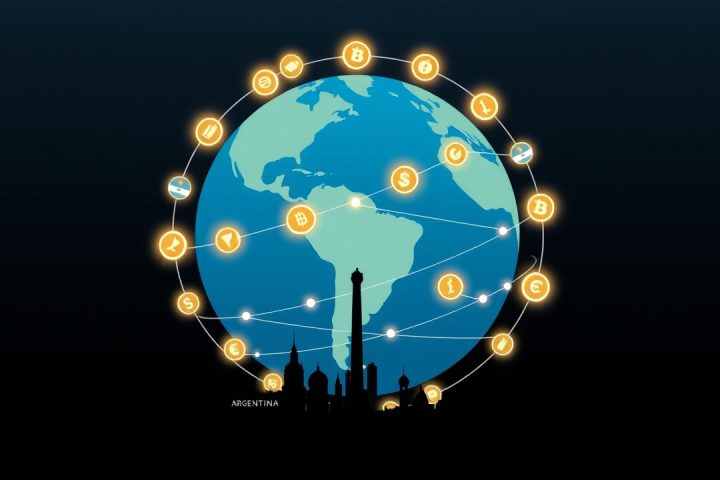
A notable evolution is taking shape within the European financial landscape, with potential implications that could resonate on a global scale. According to insights from crypto analytics platform SMQKE, three major banks—ING, UniCredit, and BNP Paribas—are preparing to introduce a euro-backed stablecoin in late 2026. This initiative will utilize Ripple’s technological framework, marking a significant moment in the integration of traditional banking with digital currencies.
Impact on Global Liquidity
While the emergence of dollar-pegged stablecoins such as USDT and USDC has primarily underpinned global liquidity and reinforced the dollar’s preeminence in digital finance, the launch of this new euro-based coin presents a formidable alternative. The project stands to enhance the euro’s position in the digital economy, fostering healthy competition that could transform cross-border transactions and payment systems.
Shift in Financial Institutions’ Perspectives
This collaborative venture is indicative of a paradigm shift in the perspective of conventional financial institutions towards blockchain technology. Unlike speculative startups at the fringes of finance, these banks are adopting blockchain as a fundamental aspect of their operational framework. By leveraging Ripple’s network, they are endorsing the XRP ecosystem as a viable and scalable solution for everyday banking needs.
Transformation of the Financial Ecosystem
Moreover, this trend reflects a larger transformation within the financial ecosystem. Approximately 60% of banks connected to SWIFT are now engaging with Ripple’s services, highlighting an increasing convergence between established financial systems and blockchain technologies. Instead of facing abrupt upheaval, the financial framework appears to be gradually intertwining traditional and blockchain-based mechanisms.
Expansion of Ripple’s Network
Ripple’s network continues to expand, recently enabling its RLUSD stablecoin across various chains, thanks to added interoperability through Wanchain. This development, although still in its infancy with a market cap around $1.5 billion, signals a strategic movement towards a more interconnected financial environment.
Conclusion
In essence, the prospective launch of a euro stablecoin is not merely a case of Europe catching up with innovations in digital finance. Rather, it signifies a concerted effort by key financial players to redefine their roles within a rapidly evolving marketplace characterized by tokenization. If these trends persist, the pressing question will shift from whether banks will embrace blockchain technology to how embedded it will become in the foundation of the global financial apparatus.