Ghana’s Growing Cryptocurrency Market
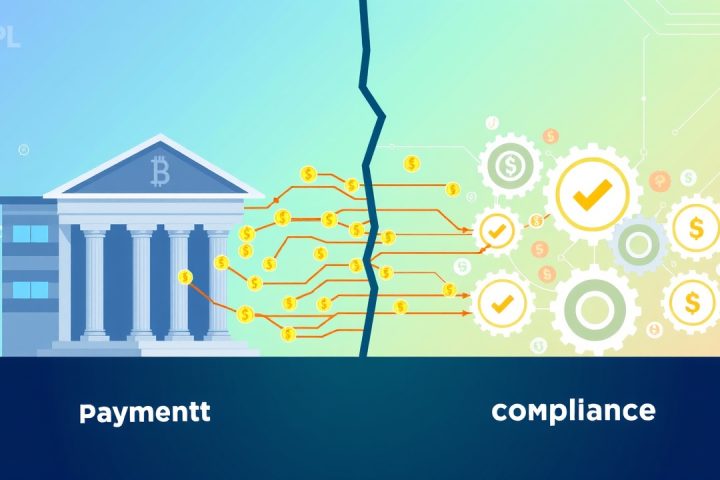
In recent developments, Ghana has established itself as the fifth-largest cryptocurrency market in sub-Saharan Africa, with annual transactions estimated to reach around $21 billion. This significant growth in the digital-asset sector is prompting Ghanaian regulators, including the Bank of Ghana and the Securities and Exchange Commission (SEC), to prepare for formal oversight and licensing of stablecoins and trading operations.
Regulatory Challenges and Developments
According to a report by the International Monetary Fund (IMF), the flourishing crypto landscape in Ghana poses new challenges in terms of licensing and regulation. The IMF’s technical assistance has indicated that approximately 8% to 17% of Ghanaians have engaged in buying or selling cryptocurrencies. The size of the market, utilizing estimates rather than audited figures, can be influenced by frequent transfers of assets between various wallets and exchanges.
The rising popularity of stablecoins is highlighted as a key component of Ghana’s digital ecosystem, with users often opting for dollar-linked tokens as a hedge against inflation and currency volatility. While cross-border transactions using these stablecoins are on the rise, the retail remittance sector remains limited, underscoring the dual potential of stablecoins for international money transfer without conventional banking channels. The practice of asset tokenization, although still emerging, is also gaining traction within the market.
Integration into National Financial Framework
As of now, Ghana’s virtual-asset ecosystem serves over 3 million individuals. A recent policy statement from several financial authorities announced the intent to integrate digital assets into the national financial regulatory framework. This initiative follows a significant increase in crypto platform usage over recent years, with the Bank of Ghana establishing a specialized department aimed at regulating this growing sector.
Legislation around cryptocurrency regulation took shape when Parliament passed the Virtual Asset Service Providers Bill in December 2025, which laid the groundwork for the Virtual Asset Service Providers Act of 2025. This comprehensive legal framework delegates various supervisory responsibilities to the Bank of Ghana and the SEC, covering areas such as exchanges, wallets, token issuance, and more.
IMF Recommendations and Future Outlook
The IMF report disclosed that while Ghana’s strategy aligns with international regulatory standards, additional measures are necessary to enhance the supervisory infrastructure.
They emphasized the need for detailed guidelines, especially in areas concerning trading, brokerage, and lending practices within the crypto sphere. The IMF also recommended that stablecoin issuers must clearly outline how they manage reserves, liquidity, and ensure smooth redemption processes.
As Ghana stands on the brink of formalizing its crypto market, the IMF anticipates that many businesses may seek licenses once the regulatory framework is fully operational. To streamline this process, the IMF has developed various tools for regulators, including risk assessments and licensing templates. Currently, the SEC is piloting a regulatory sandbox with 20 participants, including notable crypto exchanges and tokenization firms, to refine activity-based licensing requirements.
Through this sandbox initiative and ongoing dialogues with the industry, authorities aim to collect insights to validate existing regulations and prepare for a more comprehensive regulatory regime. As Ghana continues to innovate within the digital asset space, the collaboration among regulatory bodies will be crucial to fostering a secure and lawful market environment.