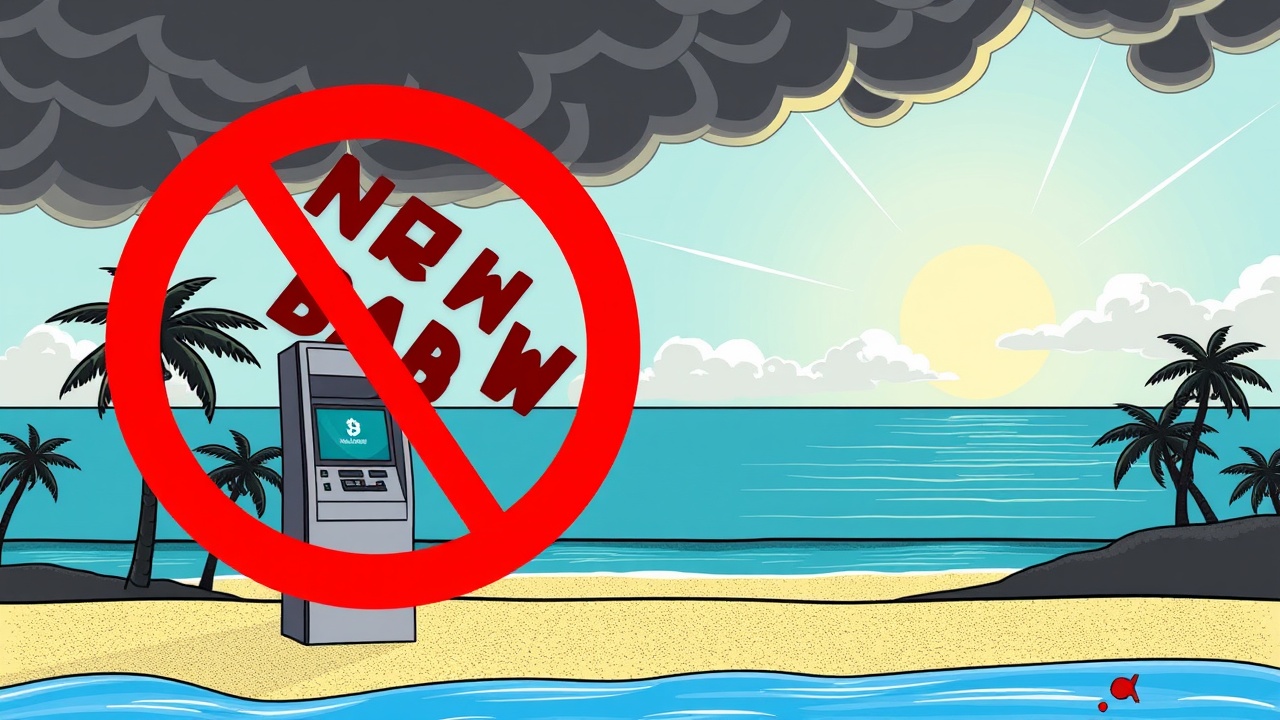
Hawaii’s Regulation of Cryptocurrency Transactions
Hawaii is taking a significant step toward regulating cryptocurrency transactions by implementing a ban on cash-to-crypto kiosk activities starting October 1. This decision follows alarming statistics reported by the FBI, which indicated that Hawaii residents lodged 92 complaints linked to these kiosks in 2025, resulting in cumulative losses of approximately $3.85 million. The legislation, identified as House Bill 1642, was signed into law by Governor Josh Green on July 9 and will strictly prohibit kiosk operators from exchanging U.S. currency for digital financial assets.
Details of the Legislation
From the enforcement date, any cash transaction intended to purchase cryptocurrencies will be treated as a distinct violation under Hawaii’s consumer protection regulations. Although often misunderstood as an outright prohibition of all crypto ATMs, the law specifically targets the cash deposit feature rather than all services linked with these machines. Therefore, while residents will no longer be able to use cash to buy Bitcoin or similar assets through these kiosks, they will still be allowed to sell cryptocurrencies for cash or conduct transactions involving digital assets without physical currency.
Concerns Over Scams
A key reason for this legislation stems from growing concerns over scams perpetrated through these kiosks. Many victims, often targeted through deceptive impersonations by criminals posing as officials or company representatives, have reported being instructed to withdraw cash and transfer it via kiosks, making it difficult for them to recover losses. The state legislature highlighted that investigations from the attorneys general’s offices in Iowa and Washington, D.C. revealed that fraudulent transactions might constitute up to 90% of business at some kiosks, further necessitating the ban.
Current Landscape of Cryptocurrency ATMs
Moreover, data from CoinATMRadar as of mid-August indicates that Hawaii hosts 57 operational cryptocurrency ATMs across its islands, with operators facing a deadline to either disable cash functions or discontinue kiosks that accept cash for crypto. The FBI’s Internet Crime Complaint Center emphasized broader trends, reporting a staggering 13,460 cryptocurrency kiosk-related complaints nationally, resulting in losses totaling nearly $389 million in 2025 alone, with an increase of 23% in complaints from the previous year.
Targeting Vulnerable Populations
Among the reported complaints, over half involved individuals aged 50 and above, reaffirming suspicions that older adults are disproportionately targeted by cryptocurrency fraud schemes that often rely on urgent financial demands. While the new law addresses the cash-to-crypto interactions, it does not hinder residents from engaging in trade through licensed online platforms.
Comparison with Other States
Hawaii’s approach to regulating cryptocurrency kiosks stands in contrast to other states like Minnesota and Tennessee, which have enacted more sweeping bans on all crypto ATM operations. As the landscape of digital currency regulation evolves, states vary widely in their approach, with some enforcing stringent rules while others remain lax. As part of federal requirements, crypto kiosk operators must also register with the Financial Crimes Enforcement Network (FinCEN) and adhere to anti-money-laundering protocols, although state governments maintain the authority to impose stricter guidelines. The newly enacted law incorporates these regulatory changes into Hawaii’s existing consumer protection statutes, effectively categorizing violations on a per-transaction basis, which enhances accountability and oversight for cash-to-crypto conversions.