
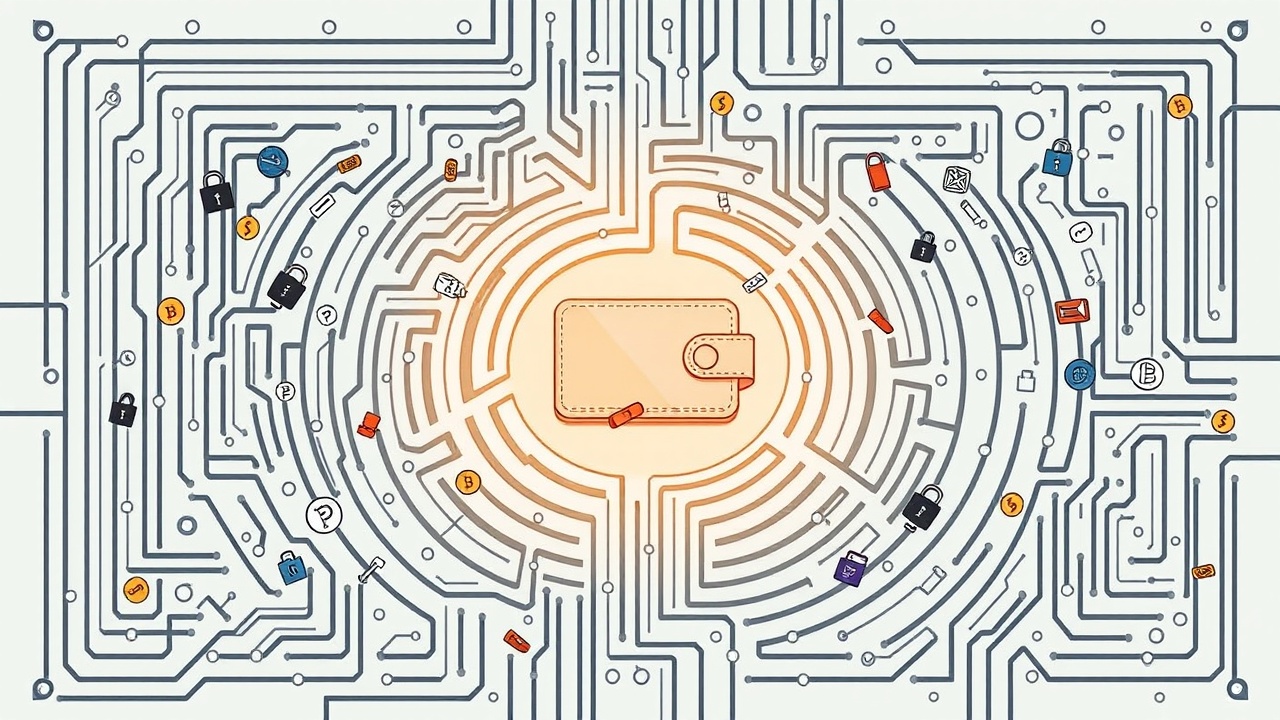
Recent Security Breaches and Self-Custody Concerns
In light of recent security breaches involving hardware wallets, the adequacy of self-custody methods for novice users has become a contentious issue among crypto leaders. Instances, such as those with Ledger and Coldcard devices, have highlighted vulnerabilities in hardware wallets, which are generally praised for their capacity to securely store private keys offline. These breaches demonstrated that some Ledger devices were compromised to extract recovery phrases, while Coldcard faced a firmware flaw that enabled unauthorized duplication of private keys, leading to stolen funds.
The Debate on Self-Custody for New Users
The debate over whether self-custody is inherently suited for those new to cryptocurrency is lively. Some industry figures, like Michael Tanguma, the CEO of Onramp, likened current challenges in digital asset management to the experience of personal computing in the 1970s, a time when technical knowledge was crucial for user success.
“Self-custody was never designed with newcomers in mind,”
he argued, suggesting that simpler methods could broaden engagement, similar to how user-friendly designs enhanced computer accessibility.
Conversely, Safe Labs CEO Rahul Rumalla contended that the principle of self-custody is accessible to everyone. He emphasized that while not every potential cryptocurrency holder needs to become an expert on security, the capacity to manage and control one’s assets is fundamental to crypto’s appeal. Rumalla clarified that self-custody should not imply total independence from support systems.
Challenges with Multisignature Wallets
The complexities surrounding multisignature (multisig) wallets, which necessitate multiple authorizations for transactions, further exacerbate these challenges for beginners. Justin Hutzler, CTO of Synergy Network, pointed out the intricacies involved, including coordination of signers and the necessity for robust recovery processes—factors that could dissuade less experienced users.
Innovative Solutions and Concerns
In an effort to address these challenges, companies like Tangem are introducing designs that eliminate the need for traditional recovery phrases by relying on a seedless model, which utilizes physical devices for fund access instead. While this method simplifies some aspects of self-custody, it raises concerns about potential transaction approval risks, as indicated by critiques from competitors like Foundation’s CEO, Zach Herbert. Without a built-in display, users must depend on smartphones to validate transaction details, which could lead to approving malicious requests.
Conclusion
As the crypto community grapples with the implications of these advancements, the broader path to Bitcoin adoption and the user experience in self-custody remain potent discussion points—particularly concerning how to engage and protect those who are just stepping into the crypto space. As the ecosystem evolves, ensuring that newcomers have access to protective, user-friendly technologies may prove essential for the future of digital asset management.