New Reporting Regulations for Cryptocurrency in South Korea
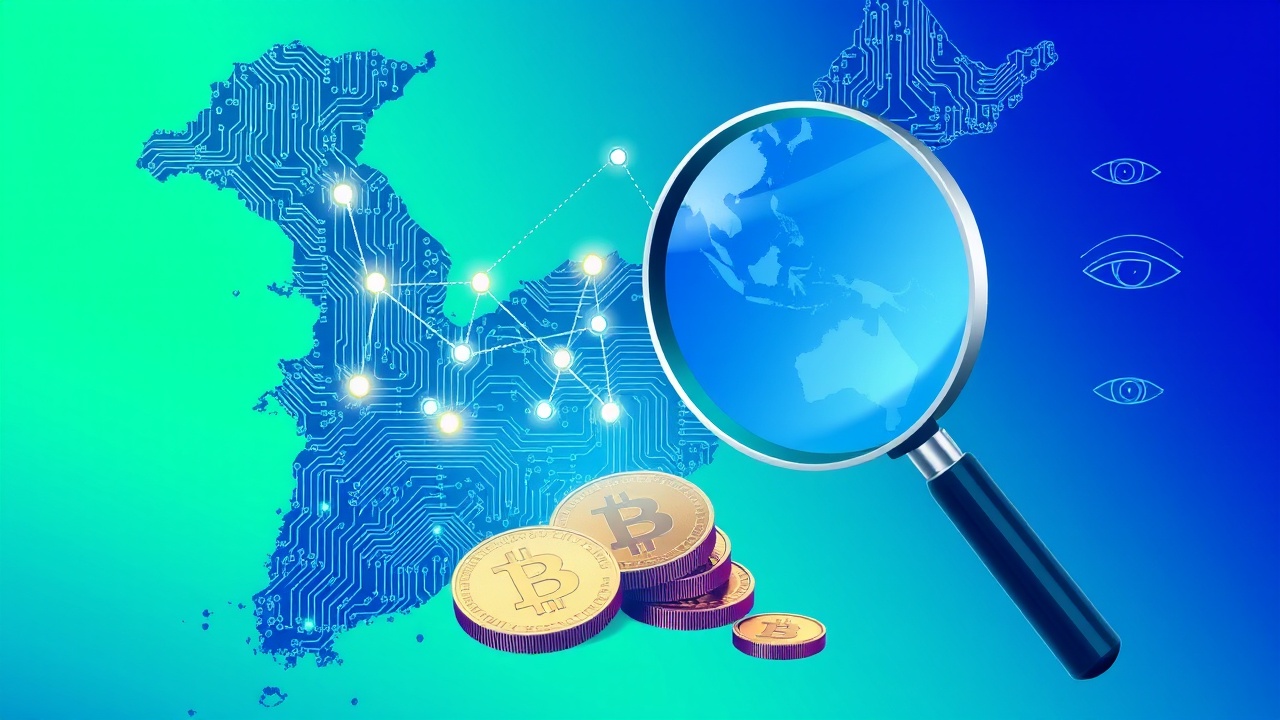
In a significant move to enhance oversight on cryptocurrency activity, South Korea’s central banking authority, the Bank of Korea, is set to implement newly established reporting regulations on December 2. These requirements mandate that local crypto exchanges disclose the monthly account balances of users who have engaged in transferring cryptocurrencies to international platforms or personal wallets since July 19, 2024. This reporting initiative is part of a broader reform aimed at tightening controls surrounding digital asset transactions in response to the rising volume of overseas remittances.
Details of the Reporting Initiative
Details pertaining to this initiative were unveiled through a reporting guideline accessed by Park Soo-young, a member of the People Power Party. The manual outlines a novel reporting form dubbed FX1021, which obligates service providers, including crypto exchanges, to report users’ end-of-month cryptocurrency holdings, irrespective of whether there have been any international transactions during that month. This reporting system remains applicable even to users who, despite holding cryptocurrencies, do not transfer assets abroad.
Exchanges are required to convey detailed information, such as the amount of cryptocurrency held by eligible users, the corresponding Korean won value, and the total digital assets moved in and out of South Korea during each month. A crucial aspect of the reporting framework dictates that balance assessments must occur at precisely 11:59:59 p.m. on the last day of each month, regardless of it being a business day. Providers will have until 5:30 p.m. on the 10th of the following month to fulfill this reporting obligation through the Bank of Korea’s foreign exchange information network.
Scope and Requirements
The scope of these reporting requirements exceeds merely the cryptocurrencies currently available on local exchanges. Service providers must account for a variety of crypto assets, including those held in dormant accounts, delisted tokens, and cryptocurrencies engaged in staking activities. Should exchanges face difficulties in ascertaining the value of certain assets—such as those that have been airdropped or delisted—valuations can be referenced from other Korean exchanges or platforms like CoinMarketCap.
Importantly, the manual stipulates that even users who have emptied their accounts or closed them down will still need to be included in the submissions for the month in question. However, they will be omitted from subsequent reports unless they reestablish a balance.
Regulatory Context and Future Considerations
This regulatory effort coincides with the enactment of South Korea’s Virtual Asset User Protection Act, which aims to bolster investor safeguards within the domestic cryptocurrency arena. Nevertheless, as of now, the Bank of Korea has not finalized whether exchanges will need to provide historical transaction data from the period spanning July 19, 2024, to the December rollout of these new reporting mandates. A decision will be made after consulting with virtual asset service providers.
These reporting mandates are part of heightened scrutiny on digital asset foreign exchange activities, following amendments to legislation in May that established registration requirements for entities engaged in international cryptocurrency transactions. This regulatory framework extends to encompass businesses beyond traditional crypto exchanges, including those pursuing blockchain-based international payment solutions.
Moreover, South Korean authorities have intensified oversight of cross-border cryptocurrency transfers, implementing risk-based assessments for transactions involving foreign exchanges and self-hosted wallets. Recent reports indicated a staggering 380% increase in crypto remittances through major exchanges since 2022, reaching an estimated 163.55 trillion won by 2025, while the volume of international transactions handled by the nation’s largest banks also grew by 20%, totaling around 1,590 trillion won last year.