Nephos Group and Brinc Collaboration
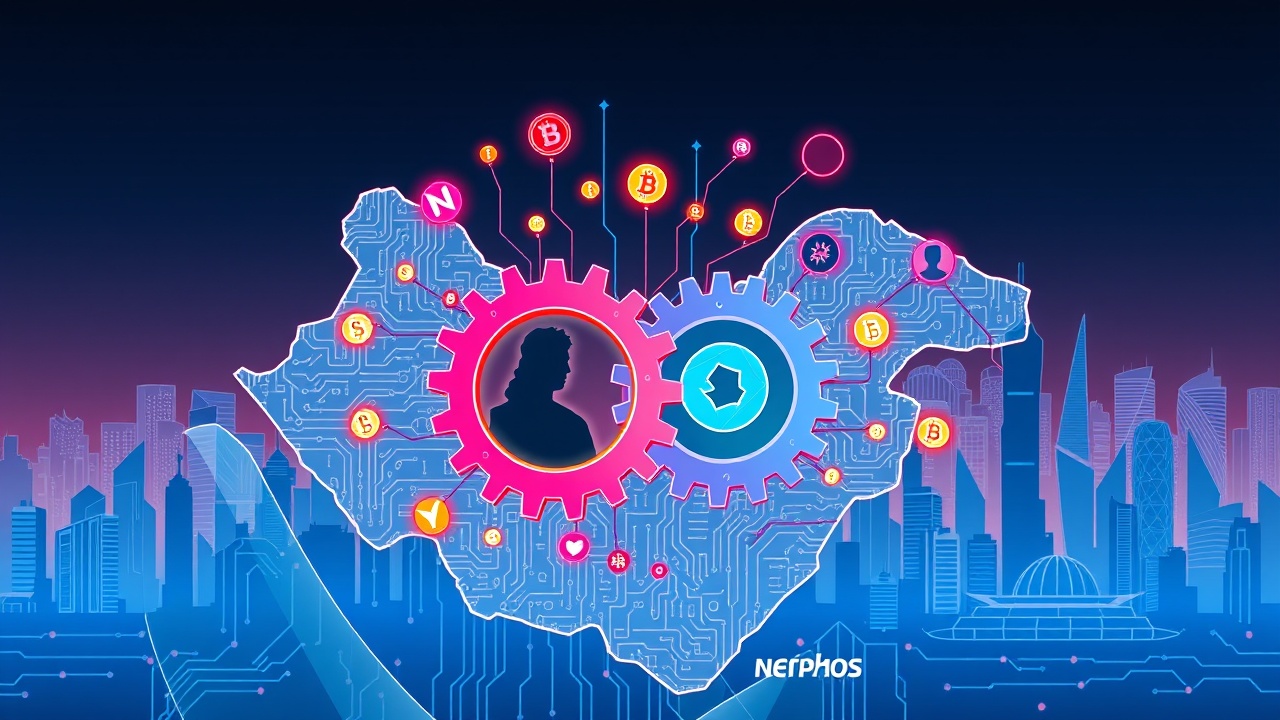
Nephos Group is joining forces with the startup accelerator Brinc to enhance the support provided to over 250 startups within Brinc’s portfolio. In a press release dated September 22, Nephos announced that this collaboration will equip these companies with essential services including accounting, compliance, corporate structuring, and tokenization expertise, all available through Brinc’s founder support initiative. This partnership specifically caters to technology companies operating in the Gulf Cooperation Council (GCC), with a particular focus on those developing stablecoins, Web3 innovations, and tokenized assets.
Integration of Professional Services
Unlike traditional funding initiatives, this alliance does not entail the creation of a new investment fund. Instead, it integrates professional services into the existing capital and support Brinc already offers to its portfolio companies. The partnership enables entrepreneurs to benefit from guidance in areas such as cross-border tax strategies, corporate structures, banking connections, and visa assistance—essential needs for businesses that traverse international borders.
Tokenization Practices and Proof-of-Reserve Attestations
Nephos also plays a crucial role in advising digital asset firms on tokenization practices and conducts proof-of-reserve attestations for firms whose operations depend on underlying assets. These attestations provide a snapshot of whether an issuer’s claimed assets correspond with what is held at a given time, distinguishing them from comprehensive financial audits, which evaluate an organization’s entire financial practices over a designated period. The implications of this process are significant, particularly for startups involved with stablecoins, as they require rigorous scrutiny and verification when communicating with investors, regulators, and banks.
Insights from Nephos’s Founder
Joe David, Nephos’s founder and CEO, highlighted that many founders develop these essential systems post-launch, even though the need for them is apparent from the start for cross-border operations. “The tech ecosystem in the GCC is rapidly evolving, and founders in this region require a professional framework that aligns with this growth,” he stated.
David, who has relocated to the UAE, emphasized that his experience in establishing Nephos and Myna Accountants offers insight into the challenges faced by businesses during their setup and expansion phases.
Access to Compliance and Structuring Services
Through this partnership, startup founders can access compliance and structuring services from the outset, rather than scrambling to piece together necessary resources later. Operating in the GCC presents unique challenges due to varying regulatory landscapes among national authorities, financial centers, and free-zone areas, leading companies to navigate distinct licensing, disclosure, and tax requirements as they operate across different markets.
Regulatory Environment and Workshops
In April, Dubai’s Virtual Assets Regulatory Authority (VARA) clearly outlined its token issuance regulations based on the design and risk profile of each token. This included specific obligations regarding reserve assets and disclosures for fiat-referenced and asset-backed tokens. Additionally, licensed distributors will have ongoing compliance responsibilities for certain token offerings under VARA’s guidelines, meaning that factors such as the choice of issuer and banking relationships can significantly influence a product’s market accessibility.
Highlighting the regulatory environment, Nephos and Brinc will conduct workshops focusing on compliance strategies, cross-border structures, tokenization methods, and proof-of-reserve practices. While the schedule for these sessions has yet to be announced, the goal is to build a robust framework of knowledge for the involved startups.
Nick Ramil, Brinc’s chief marketing officer, remarked on the necessity for founders looking to expand internationally to have more than just financial backing, emphasizing the importance of establishing reliable partnerships and navigating complex markets seamlessly.
Enhancing Startup Capabilities
The collaboration between Nephos and Brinc aims to enhance the capabilities of portfolio companies as they establish their businesses across borders while still maintaining access to Brinc’s accelerator services. Having demonstrated previous experience with blockchain accelerators, Brinc’s portfolio is expansive, including various tech sectors such as AI, robotics, and IoT.
Regulatory Challenges for Stablecoin Operations
Moreover, those operating Gulf-based stablecoin operations intending to reach U.S. customers must contend with regulatory frameworks such as the forthcoming GENIUS Act, instituting stringent licensing and compliance requirements for payment stablecoin issuers. Recent proposals from the U.S. Treasury further clarify when stablecoins are considered issued or sold in the U.S., establishing a regulatory landscape that requires foreign issuers to adhere to specific criteria before offering tokens to American users. This complex interplay of local and international regulations underscores the urgency for GCC startups to consider reserve management, company locations, and distribution strategies well in advance of market entry.