Introduction to KRW1 Stablecoin
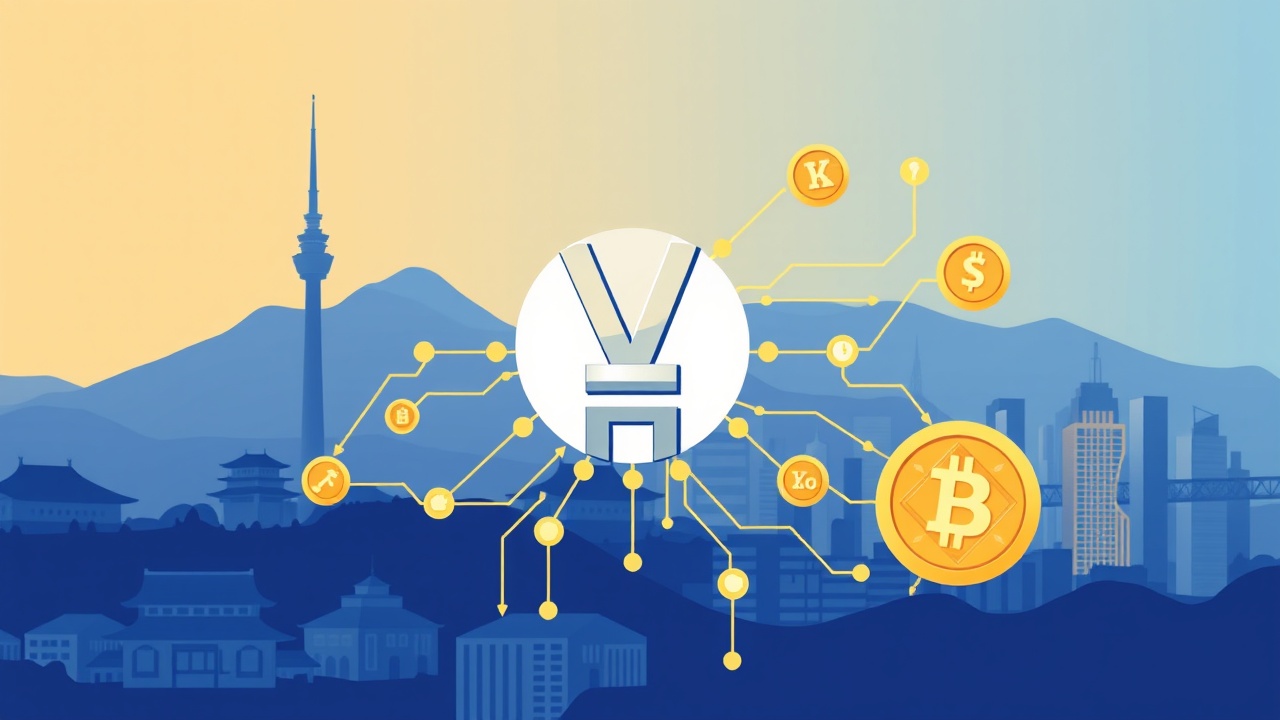
The blockchain ecosystem is poised for a significant advancement as Injective, a layer-1 blockchain, collaborates with South Korean digital asset custodian BDACS to introduce KRW1, a stablecoin backed by the Korean won. This initiative aims to enhance the trading of tokenized assets on the Injective network, allowing local institutions to conduct transactions without relying on US dollar stablecoins.
Details of the KRW1 Initiative
In a recent announcement, it was revealed that KRW1 will serve as the designated won-based settlement currency for real-world asset transactions facilitated through Injective. Importantly, the stablecoin will be fully supported by reserves of the Korean won, and its minting and redemption processes will be limited initially to select institutional partners, pending the necessary regulatory approvals.
Regulatory Context and Market Conditions
This development occurs alongside South Korea’s efforts to establish a regulatory framework for local currency stablecoins through its forthcoming Digital Asset Basic Act, which is expected to be finalized by 2026. Current market conditions have shown a downturn, with South Korea’s five largest crypto exchanges experiencing persistent net outflows of stablecoins over the past 18 months, as reported by sources such as Cointelegraph.
Injective’s Focus on Tokenization
Injective has been intensifying its focus on the tokenization of assets. Notably, its institutional services branch recently registered as a transfer agent with the US Securities and Exchange Commission, thereby gaining the ability to keep ownership records and process securities transfers. According to CoinMarketCap, the market cap of Injective’s native token stands at approximately $887 million.
Need for Regulatory Guidelines
The ongoing discussions within South Korea about who qualifies to issue won-backed stablecoins highlight the need for clear regulatory guidelines. A report released in July by Hashed Open Research and the Solana Policy Institute urged lawmakers to provide more leeway in stablecoin issuance while interim licensing standards are drafted. This proposed legislation aims to create a comprehensive regulatory environment encompassing stablecoin issuance, market rules, and required disclosures.
Global Trends in Stablecoin Regulation
South Korea’s initiatives mirror broader global trends, as seen in the recent establishment of the federal GENIUS Act in the United States, which lays out a regulatory framework for payment stablecoins, and the European Union’s MiCA regulation, which addresses the governance of stablecoin issuers. Despite the increasing interest in local stablecoins, data indicates that the prevailing stablecoin market remains dominated by US dollar-backed tokens, which constitute over 99% of its total supply.