Pakistan’s Digital Asset Sector: A Regulatory Perspective
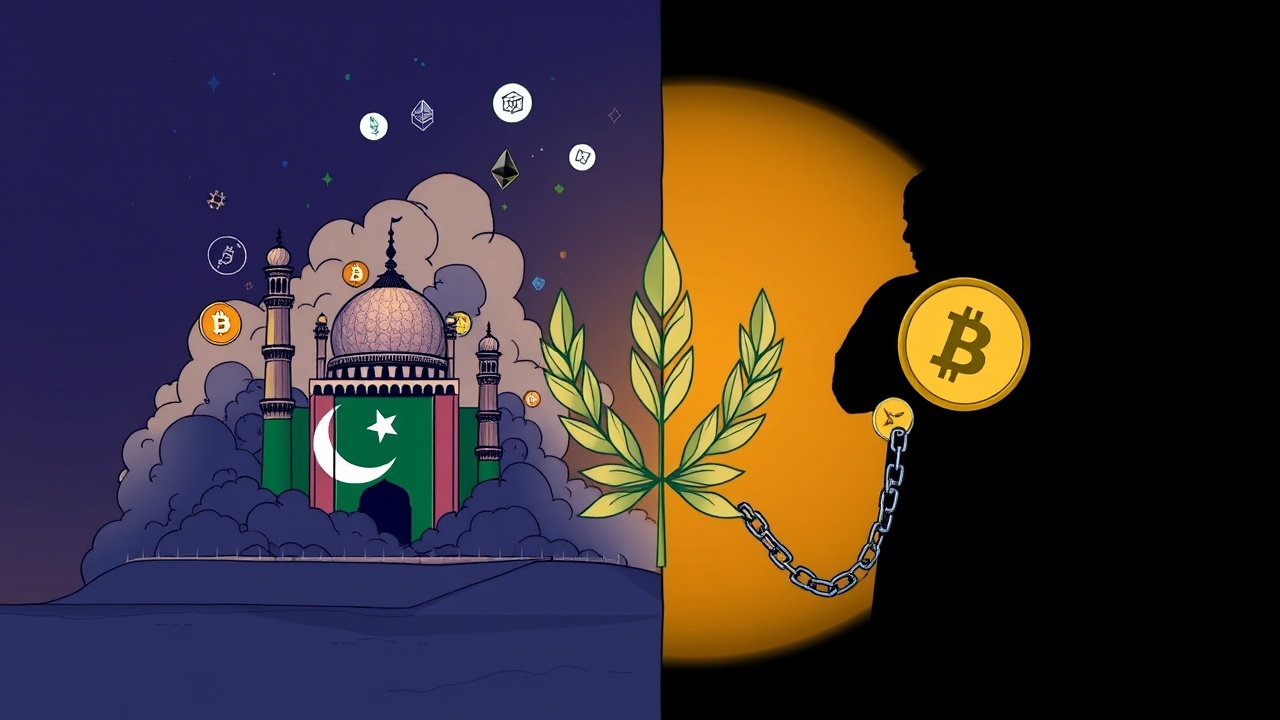
In a significant move for Pakistan’s emerging digital asset sector, Bilal bin Saqib, the Chairman of the Pakistan Virtual Assets Regulatory Authority (PVARA), has emphasized the importance of ongoing conversations regarding digital currencies within the framework of Islamic law. This appeal came after a meeting on July 11 with noted scholar Mufti Taqi Usmani, where both parties underscored a mutual goal: safeguarding citizens from potential fraudulent schemes and financial losses linked to virtual assets.
Nuanced Evaluation of Digital Assets
Saqib articulated that various forms of digital assets—including blockchain technology, stablecoins, and tokenized assets—possess diverse characteristics and functionalities that mandate a nuanced evaluation. He argued that these elements should undergo both thorough technological scrutiny and a rigorous Shariah analysis, rather than being subjected to a singular, sweeping judgment.
This dialogue follows an Islamic legal edict from Darul Ifta at Jamia Darul Uloom Karachi, issued on June 10, 2026, which deemed the use of cryptocurrencies, including USDT, impermissible from an Islamic perspective. Six scholars, including Mufti Usmani, signed this ruling, arguing that existing research did not classify cryptocurrency as bona fide property, instead calling it “merely the recording of fictitious numbers in an account.”
While Saqib did not outright dismiss this conclusion, he advocated for differentiated assessments of various categories of digital assets. This dialogue is particularly critical as Pakistan is advancing with its regulated framework for virtual assets, driven by the enactment of the Virtual Assets Act 2026, which established PVARA as the regulatory entity overseeing the licensing and monitoring of virtual asset service providers.
Banking Services and Regulatory Developments
The State Bank of Pakistan made strides on April 15 by permitting banks to facilitate accounts for enterprises licensed by PVARA, with stipulations for banks to conduct thorough due diligence and separate client funds from their operational resources. This change marked the end of an eight-year ban on banking services for compliant cryptocurrency businesses. However, banks are still mandated to adhere to foreign exchange regulations, anti-money laundering guidelines, and to report any suspicious activities to the Financial Monitoring Unit of Pakistan.
Additionally, Pakistan has been investigating the potential of stablecoins and tokenized assets through partnerships with global entities. A notable agreement in December 2025 with Binance aimed to explore the tokenization of up to $2 billion in government assets. Another agreement in January 2026 focused on examining the application of the USD1 stablecoin for cross-border transactions, involving the nation’s finance ministry and central bank.
Future Engagement and Regulatory Landscape
These initiatives are still subject to regulatory frameworks, technical assessments, and official endorsements. As PVARA navigates the regulatory landscape alongside the ongoing discourse concerning Islamic compliance, no immediate adjustments to licensing protocols have been disclosed following the recent discussions. Saqib’s remarks open a pathway for continued engagement, as the authority finalizes its operational rules set against the backdrop of a complex religious and regulatory environment.