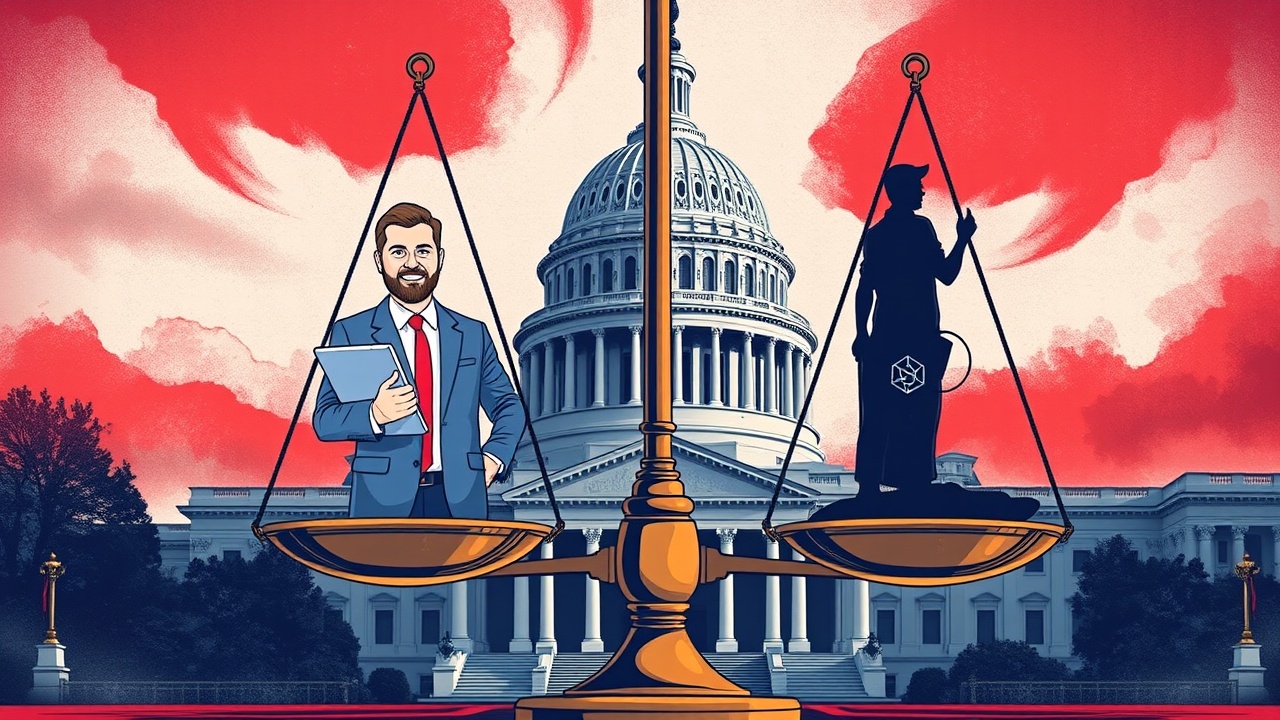
Ripple CEO Endorses CLARITY Act
In a recent call to action, Ripple CEO Brad Garlinghouse endorsed Treasury Secretary Scott Bessent’s push for the CLARITY Act, urging Senate voters to consider the significant compromises that led to the bill’s finalization. With a Senate decision imminent, Bessent highlighted the legislation’s potential to reinforce America’s leadership in the digital asset space while providing the Treasury with essential tools to protect community banks from possible deposit losses tied to stablecoins.
Key Arguments for the CLARITY Act
During an address on September 14, Bessent made a strong case for the CLARITY Act, noting its ability to equip the Treasury Secretary with new powers that could be critical should there be a surge of withdrawals from community banks due to stablecoin usage. He stated,
“The final draft of the CLARITY Act furthers this mission. It gives the Secretary of the Treasury additional authority to act if the facts around deposit flight change to the detriment of community banks. If stablecoins cause harm to community banks, I will not hesitate to use these tools to ensure they remain fully protected.”
Garlinghouse reinforced Bessent’s arguments, asserting the importance of supporting the bill despite its compromises, which he emphasized as necessary and significant. He remarked,
“This bill isn’t just a compromise… It’s the product of real, substantive trades policymakers made to get here. Perfect can’t be the enemy of good… those trades weren’t small. This isn’t a deal Senators should be ‘settling for’ — it’s a deal that they should stand behind.”
Public Attention and Future Implications
His appeal to the senators acknowledged the public’s eyes are on them, urging immediate support for the bill. Garlinghouse has previously indicated that the United States is on the cusp of becoming a premier hub for cryptocurrency, with the passage of the CLARITY Act seen as a crucial step in that direction.
The bill reflects numerous negotiations, with Senate Republicans claiming that it includes 126 significant amendments requested by Democrats, which address various aspects of digital asset regulation. These encompass ethics enforcement, decentralized finance, banking provisions, and oversight by regulatory bodies such as the SEC and CFTC, among others.
Ethics and Enforcement Considerations
Notably, the ethics components of the legislation have become a significant discussion point, aiming to limit digital asset interests for federal officials and creating enforcement roles for state attorneys general. This move toward ethical considerations was underscored by Senator Cynthia Lummis (R-WY), who noted that past administrations, including Trump, implemented strong ethical guidelines.
Upcoming Senate Vote
As the Senate proceeds to vote on September 15 on procedural motions regarding H.R. 3633, the implications of the CLARITY Act could reshape how the U.S. governs digital assets. Should the Senate approve the procedural step, it would pave the way for deeper deliberation on the bill, progressively moving it toward a formal vote.