SBI Holdings Expands Involvement with Ripple
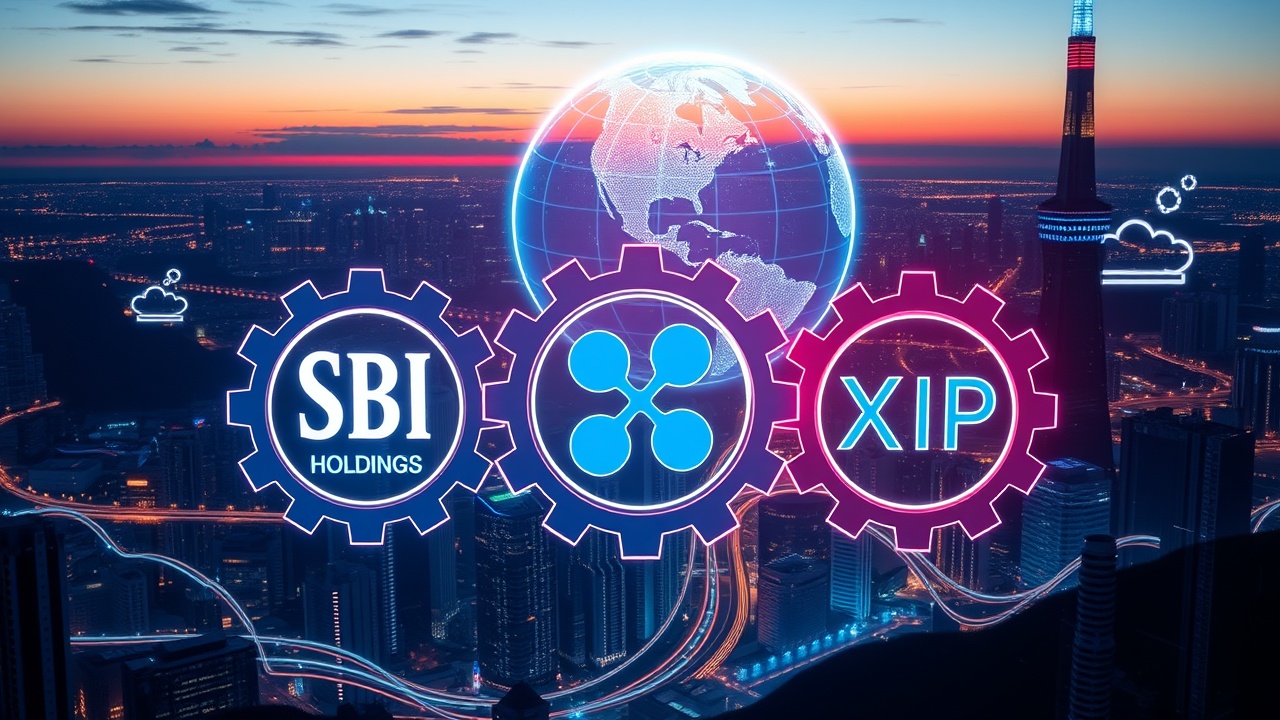
SBI Holdings is significantly broadening its involvement with Ripple as it integrates a comprehensive framework for digital finance centered on the XRP ecosystem. This Japanese financial conglomerate has been closely aligned with Ripple since 2016, currently holding a substantial 9% equity stake, which positions SBI as one of the most significant external investors in Ripple. By 2026, the collaboration has evolved from mere investment into practical implementations involving traditional banking, securities, stablecoins, and payment systems.
Launch of RLUSD Stablecoin
In a significant development, SBI VC Trade commenced the distribution of Ripple’s U.S. dollar-pegged stablecoin, RLUSD, on March 31, 2026. This launch coincided with Japan’s updated Payment Services Act, granting SBI VC Trade the ability to operate as a licensed electronic payment instrument exchange. RLUSD is meticulously structured, with its value tethered to U.S. dollar deposits, cash equivalents, and short-term U.S. Treasury securities. Deloitte is tasked with providing monthly reserve attestations; as of February 2026, the reserves stood at $1.568 billion, correlating with 1.49 billion tokens in circulation.
XRP Rewards and Tokenized Bonds
SBI’s strategic utilization of XRP extends into multiple financial products aimed at diverse investor groups. On May 1, 2026, the firm disclosed that subsidiaries like SBI Shinsei Bank and SBI Insurance Group would offer XRP rewards to shareholders. The program, available to investors with a minimum of 100 shares recorded as of March 31, 2026, guarantees rewards; those holding 100 to 999 shares will earn XRP worth 500 yen, while investors with over 1,000 shares stand to receive up to 1,000 yen based on their holding duration.
In addition, SBI has introduced SBI START Bonds, a tokenized bond initiative valued at 10 billion yen (approximately $64.5 million). These securities come with a projected annual yield between 1.85% and 2.45% and are recorded through BOOSTRY’s ibet for Fin platform, promoting blockchain transparency. Moreover, eligible bondholders can also benefit from XRP rewards along with their scheduled interest payments, specifically targeting retail investors who contribute at least 100,000 yen.
Regulated Stablecoin Framework
With the introduction of RLUSD, SBI has established a regulated stablecoin framework essential for institutional settlement and digital asset services. Governed under a limited-purpose trust charter from the New York State Department of Financial Services, the reserves for RLUSD are meticulously maintained in segregated accounts. Transactions involving RLUSD on the XRP Ledger are notably efficient, completing within three to five seconds and incurring minimal fees, approximately $0.0002. The stablecoin also incorporates interoperability with Ethereum layer-2 networks like Base and Optimism, underscoring its versatility.
Collaboration and Future Prospects
Additionally, SBI is collaborating with Circle to bring USDC to Japan, which signifies the expanding role of stablecoins in the company’s broader digital asset strategy, further solidified by RLUSD’s integration with Ripple. Moreover, SBI Ripple Asia has finalized its platform for issuing tokens on the XRP Ledger, earning registration as a third-party prepaid payment instrument issuer, thereby enhancing its compliant blockchain payment offerings.
The company is also backing Ripple’s initiative to transition the XRP Ledger towards a decentralized funding model that engages community collaboration and regional partnerships. Recently, SBI Holdings has initiated potential discussions with Bitbank Co., Ltd., which operates a prominent crypto exchange, deliberating on a capital and business alliance that could potentially incorporate Bitbank into SBI as a consolidated subsidiary, thereby enhancing SBI’s foothold in Japan’s crypto exchange landscape.
Innovative Financial Solutions
In another strategic advancement, SBI Remit has embraced Ripple’s blockchain technology in a collaboration with Tottori Bank, facilitating efficient, low-value cross-border transactions through an additional Ripple-enabled payment network in Japan. CEO Yoshitaka Kitao noted that Japanese financial institutions have started leveraging XRP for international payment solutions, seeking alternatives to outdated legacy systems.
SBI’s recent activities in 2026 underscore a sophisticated strategy that interlinks digital securities, stablecoins, cryptocurrency exchanges, remittances, and shareholder benefits, with XRP serving as a constant thread throughout this innovative structure. With RLUSD enhancing the foundation for institutional transactions, SBI and Ripple are forging a regulated financial framework that seamlessly connects conventional banking functions with blockchain-driven solutions, token issuance, and enhanced access to digital assets across Japan.