XRP Victory Day
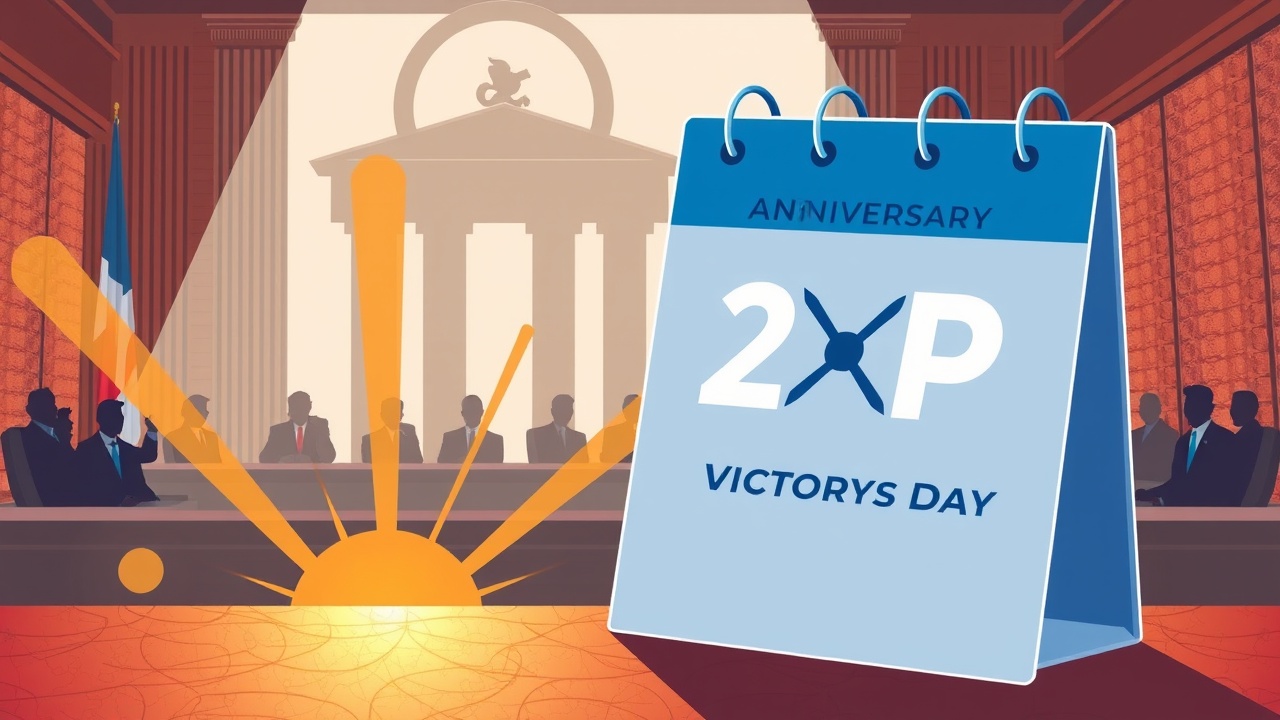
On July 13, the XRP community celebrates what they now refer to as XRP Victory Day—a significant milestone marking three years since Judge Analisa Torres delivered a crucial ruling in the SEC’s lawsuit against Ripple. This landmark judgment notably dismissed the SEC’s blanket assertion that every XRP transaction adhered to the same legal framework, instead drawing a distinction between public sales on exchanges and direct sales to institutional investors.
Clarification of Transactions
Following the regulator’s allegations that Ripple Labs and its executives had engaged in unregistered securities offerings via extensive XRP sales and distribution channels, the court aimed to clarify the nature of these transactions. Importantly, the ruling clarified that XRP itself couldn’t be classified as an investment contract purely by its designation as a digital token. In applying the Howey test, the court found Ripple’s automated sales on public exchanges did not fit the criteria for an investment contract since buyers engaged through blind bid-and-ask mechanisms, leaving them unaware of whether Ripple or a different holder was selling the tokens. The lack of a reasonable expectation of profit from Ripple’s actions contributed to this finding.
Conversely, regarding approximately $728.9 million in sales made directly to institutional buyers, the court ruled differently. These transactions were based on written agreements with more sophisticated investors, thereby establishing an expectation that Ripple’s involvement could enhance the value of XRP. As a result, these specific sales did violate securities registration regulations.
Challenges Faced by Ripple
Disclosures from Ripple’s leadership provide insight into the challenges faced during the lawsuit. Brad Garlinghouse, the CEO, recounted that there were moments during the SEC’s initial complaint in December 2020 when the company nearly considered ceasing operations, citing the vast resources that the government could deploy against them. Co-founder David Schwartz echoed these sentiments, mentioning that some legal advisements had deemed Ripple’s situation as dire, suggesting personal settlements to protect executives. However, these remarks reflect private deliberations rather than any official SEC aim to incapacitate Ripple. Instead of folding under pressure, Ripple maintained operations, spending around $150 million on its legal defense.
Legal Outcomes and Future Implications
While the July 2023 ruling did not conclude the legal battle, it did involve subsequent penalties, including a $125.04 million civil fine and an ongoing prohibition against future unregistered institutional sales—penalties well below the SEC’s initial demands but confirming Ripple’s breach of federal securities law concerning a segment of its operations.
Despite efforts from Ripple and the SEC to modify the penalty down to $50 million and to lift the injunction in 2025, Judge Torres denied their request, citing a lack of sufficient justification for altering the judgment. Eventually, both parties dismissed their respective appeals, leading to the formal conclusion of the case in August 2025. The end results established a transaction-based framework that maintained favorable terms for sales on public exchanges while upholding restrictions on institutional sales. Additionally, it cleared the personal claims against Ripple’s executives, Garlinghouse and executive chairman Chris Larsen, after the SEC rescinded those in 2023.