Advancements in Mobile Cryptocurrency Wallets
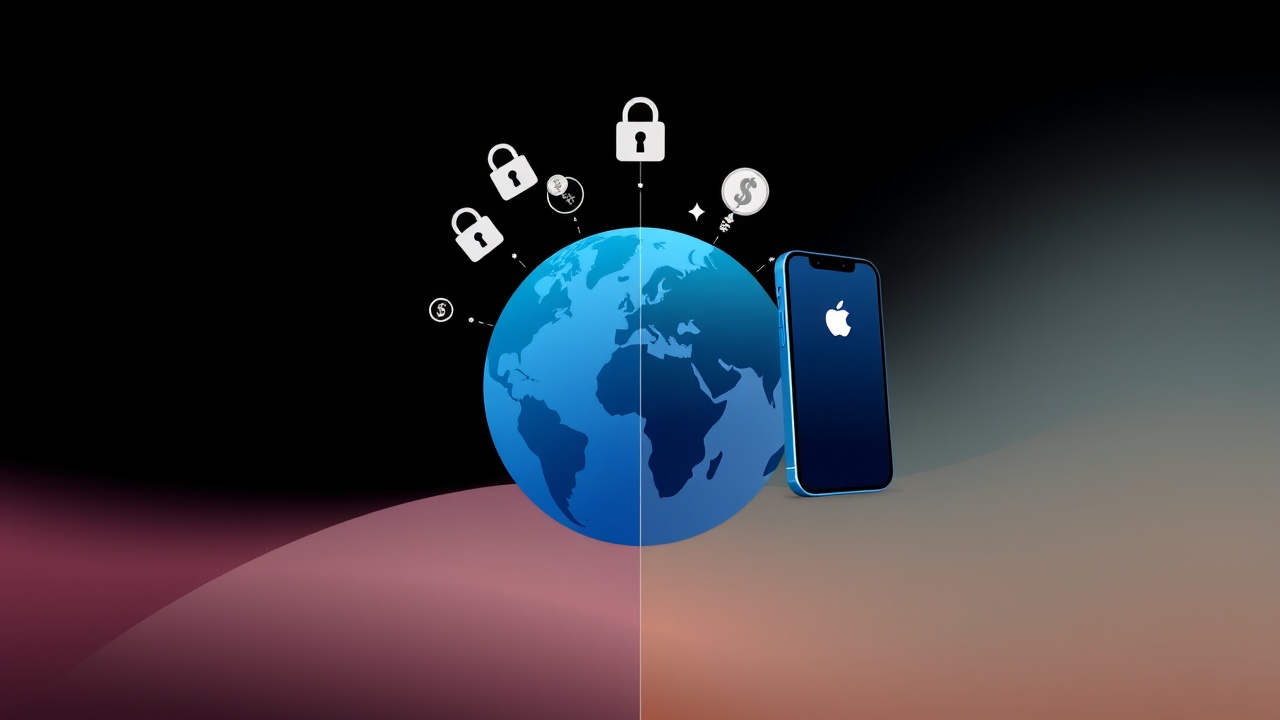
In recent evaluations of mobile cryptocurrency wallets, a study for 2026 highlights the advancements in applications available on both Android and iPhone that support self-management of digital assets while offering superior access to decentralized finance (DeFi) and other integrated features. Gone are the days when these wallets were solely used for storing Bitcoin or Ethereum; they have now evolved into comprehensive solutions providing a seamless web3 experience. Modern wallets can function as everything from single-chain vaults to full-service crypto-fintech applications, equipped with features like debit cards, mobile payments, and International Bank Account Numbers (IBANs).
Understanding User Needs
This diverse range of functionalities means that wallet rankings can only serve as a guide, as individual users will have distinct requirements. Some may be looking for the ability to engage with decentralized applications (dApps) or utilize smart contracts, while others might prioritize a straightforward means of tracking their crypto portfolios or prefer a Bitcoin-focused option absent of extra tokens. Additionally, many users seek wallets that support stablecoins, cross-border transfers, and the ability to make purchases with crypto in real-world scenarios.
Notable Mobile Wallets
To navigate this landscape, here are seven notable mobile wallets designed for Apple and Android devices, each bringing unique advantages and some constraints. The evaluation criteria were grounded in usability as daily tools rather than an exhaustive selection of token support or advanced layer-two solutions, all tailored for everyday mobile use.
- Trustee Plus: This application stands out as a crypto-fintech platform that facilitates day-to-day spending while bridging digital assets with traditional finance. Unlike many wallets that emphasize on-chain functionality with a focus on networks, transaction costs, and smart contracts, Trustee Plus adopts a user-friendly banking approach, prioritizing essential functions such as receiving transfers, stablecoin management, and crypto card payments.
- Pros: User-friendly banking integration.
- Cons: May lack some advanced DeFi features.
- MetaMask: Widely recognized as the standard for web3 interactions, MetaMask is essential for engaging with DeFi, NFTs, and decentralized autonomous organizations (DAOs). By 2026, it has solidified its place as the primary interface for the decentralized web. This “everything wallet” supports asset swaps, bridges, and offers various transaction settings. The introduction of the MetaMask Card, which operates on the Linea network and is available across Europe and the UK, marks a significant advancement for users opting for self-custody.
- Pros: Comprehensive web3 support.
- Cons: Requires user discipline regarding gas fees and security protocols.
- Trust Wallet: Esteemed for its versatility, Trust Wallet aggregates multiple chains and features into a streamlined mobile interface. It’s ideal for users with diverse portfolios wanting to manage various ecosystems through a single app while maintaining non-custodial principles.
- Pros: Multi-chain support and a user-friendly design.
- Cons: May not cater to users focusing heavily on a single chain.
- Coinbase Wallet (Base App): Distinct from the main Coinbase exchange, this self-custody wallet has been revamped around the Base Layer 2 solution. Its standout feature, the Smart Wallet functionality, simplifies access for new users by eliminating the need for seed phrases or gas fees, providing arguably the smoothest entry into self-custody, particularly for USDC users.
- Pros: Simplified user onboarding.
- Cons: Features could be limited compared to more established wallets.
- OKX Wallet: Aimed at active traders, the OKX Wallet transcends basic storage to provide extensive cross-chain tools, decentralized market access, and yield opportunities. While its depth of features caters well to on-chain users, it may overwhelm those looking for straightforward transaction capabilities.
- Pros: Feature-rich for active trading.
- Cons: Interface may be complex for casual users.
- Exodus: Striking a balance between aesthetics and functionality, Exodus caters to users who prefer a visually appealing portfolio management experience. It operates seamlessly across both mobile and desktop platforms, supports staking and simple transactions, and emphasizes ease of use for users who prefer a more laid-back crypto holding strategy.
- Pros: Excellent UI for portfolio tracking.
- Cons: Limited engagement with advanced DeFi solutions.
- BlueWallet: Solely dedicated to Bitcoin enthusiasts, BlueWallet provides a focused and superior BTC experience by eschewing distractions from other cryptocurrencies and digital assets. Its features include multisig vaults and watch-only wallets, appealing to those prioritizing Bitcoin security in a mobile format.
- Pros: Tailored specifically for Bitcoin management.
- Cons: Not suitable for users interested in a broader range of digital assets.
Conclusion
Selecting the right wallet hinges on what specific functionality users require in practical scenarios rather than simply comparing a checklist of features. No wallet can claim universal superiority; instead, MetaMask is unrivaled in web3 interactions, Trust Wallet leads in multi-chain functionality, Base App streamlines self-custody access, and BlueWallet is ideal for Bitcoin aficionados. For European users aiming for tangible financial interactions—such as card usage, SEPA transfers, and dependable support—Trustee Plus emerges as the optimal solution. While various wallets serve specific on-chain tasks, Trustee Plus uniquely addresses the question: “How do I spend this?”
This content is provided for informational purposes only and should not be construed as investment advice. Users are encouraged to conduct their own research before engaging with any financial products.