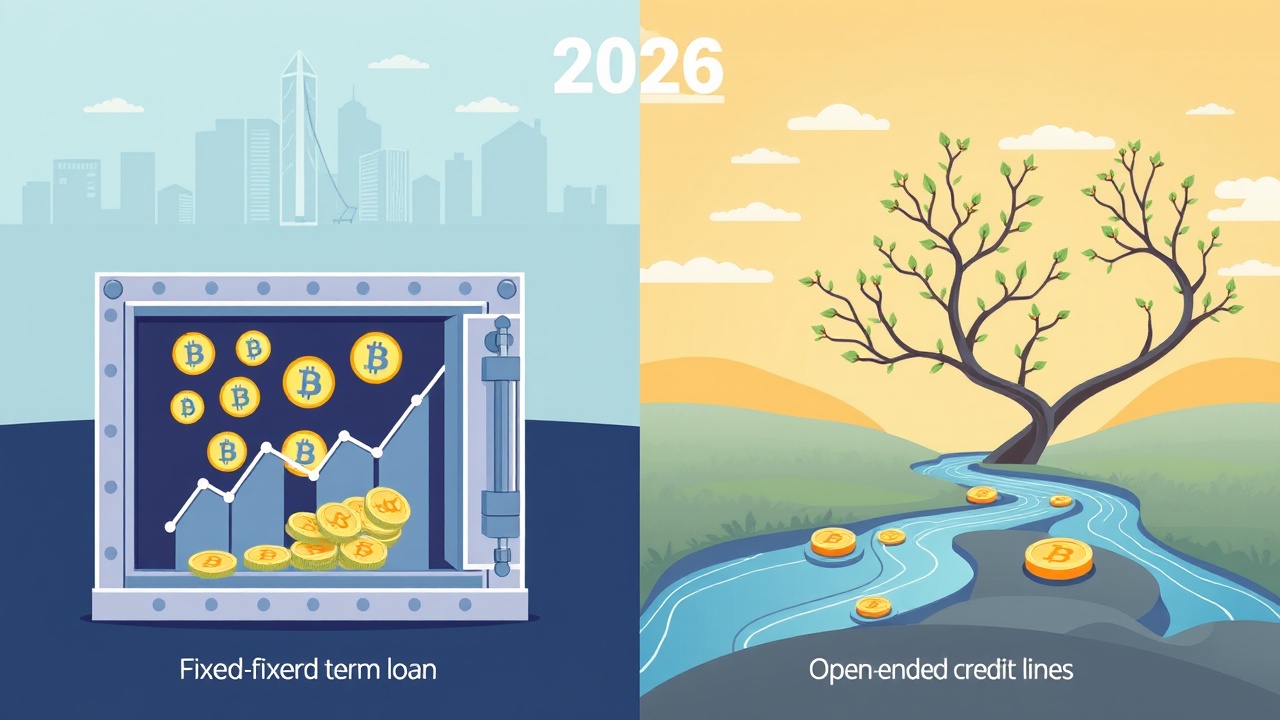
The Evolution of Bitcoin Borrowing
The landscape of borrowing against Bitcoin has evolved significantly over the last ten years, transitioning from rigid loan structures to more fluid credit arrangements. This shift has transformed how cryptocurrency holders access cash without liquidating their assets.
The Dilemma of Selling vs. Borrowing
Amid discussions, particularly on platforms like Reddit, where the dilemma of “to sell or not to sell” frequently arises, it’s clear that many cryptocurrency users prefer to refrain from converting their digital assets into fiat currency to purchase goods or meet living expenses. Not only does selling for fiat mean forfeiting future potential gains from the asset, but it may also trigger immediate capital gains taxes, depending on the laws of the jurisdiction.
Innovative Lending Solutions
In response to these challenges, crypto lenders have devised a system that allows for the separation of ownership from expenditure power. Borrowers deposit their cryptocurrency—as collateral—either with a lender or into a decentralized finance (DeFi) smart contract, receiving fiat or stablecoins in exchange. Upon repayment of the loan, the collateral is returned to the borrower, preserving its value appreciation potential.
The amount a borrower can access depends on the lender’s assessment of collateral value and typically reflects a percentage determined by the platform’s loan-to-value (LTV) ratio. For instance, through platforms like Clapp, stablecoins can achieve borrowing capacities exceeding 85%.
Types of Loans and Borrowing Structures
The lending structure primarily encompasses either fixed-term loans or flexible credit lines, both centered on similar principles. Instead of liquidating Bitcoin or Ethereum directly, users essentially collateralize these assets, gaining fiat or stablecoin liquidity rapidly, often within minutes.
When it comes to traditional banking practices, organizations evaluate income and credit records, whereas crypto lending platforms concentrate primarily on the sufficiency of collateral. This model streamlines the borrowing process by minimizing traditional financial obstacles such as extensive paperwork and location constraints, even though product offerings can vary across regions.
In a fixed-term crypto loan, borrowers agree to lock up their collateral for a set duration—from one month to a year—operating under a predetermined interest rate. Repayment terms differ among lenders; some may structure payments as interest-only with principal repayment at the end, while others may accumulate total interest to be repaid upon maturity. Conversely, a credit line lacks a definitive expiry and replenishes as debts are repaid, often allowing borrowing against multiple cryptocurrencies simultaneously.
Centralized vs. Decentralized Lending
The sphere of cryptocurrency lending embraces both centralized (CeFi) and decentralized (DeFi) approaches, each with distinct operational frameworks. Users may prefer CeFi for its familiar processes and customer support, while DeFi offers anonymity and operates entirely through smart contracts—autonomous agreements functioning on public blockchains without intermediaries.
In CeFi, the lending platform assumes custodial duties and performs standard identity verifications (KYC/AML), providing seamless access to fiat payment avenues. Their risk management practices integrate automated systems with human oversight, navigating the regulatory landscape more comfortably due to established structures. By contrast, due to the absence of corporate entities overseeing DeFi platforms, this sector remains largely unregulated, raising unique challenges.
Borrower Motivations and Risks
Typically, borrowers are motivated by three key factors: preserving the potential for asset appreciation, obtaining swift cash liquidity, and avoiding immediate tax repercussions from a sale. Once collateral is posted, borrowers maintain exposure to price fluctuations throughout the loan’s duration unless the asset’s value necessitates liquidation. For example, if an individual utilizes 1 BTC as collateral but the price increases by 50% over the loan period, all corresponding gains, minus interest, remain theirs after loan repayment.
Additionally, an immediate crypto loan or line of credit can often be initiated through a few simple actions: the user selects their collateral and desired amount, confirms the transaction, and within moments, the funds are deposited into their account. In numerous jurisdictions, converting cryptocurrency to fiat or swapping between digital currencies can incur tax obligations. In the U.S., for instance, the IRS designates virtual currency as property, similar to stocks, meaning that both Bitcoin and shares sold at a profit activate capital gains taxes.
Nonetheless, borrowers face risks associated with collateral depreciation. If the collateral value diminishes and the LTV ratio escalates—exceeding the platform’s liquidation threshold, such as 90% on Clapp—part of the collateral may be liquidated to restore equilibrium. A sudden market downturn could lead to liquidation occurring at the most unfavorable times.
Conclusion
To mitigate these risks, loans provide cryptocurrency holders with cash liquidity without the need to sell their assets, ensuring continued exposure to price fluctuations and evading immediate tax concerns. Conversely, borrowers must remain vigilant about the liquidation threshold and maintain adequate collateral to avoid forced sales. Ultimately, understanding the terms associated with the particular lending format—fixed repayment schedules and fees—can significantly influence the decision-making process for potential borrowers.