Trezor Alerts Customers After Shipping Partner Breach Unveils Personal Information
Trezor reported a data breach at shipping partner Skladon that exposed personal details of 27,000 customers, raising security and privacy concerns.
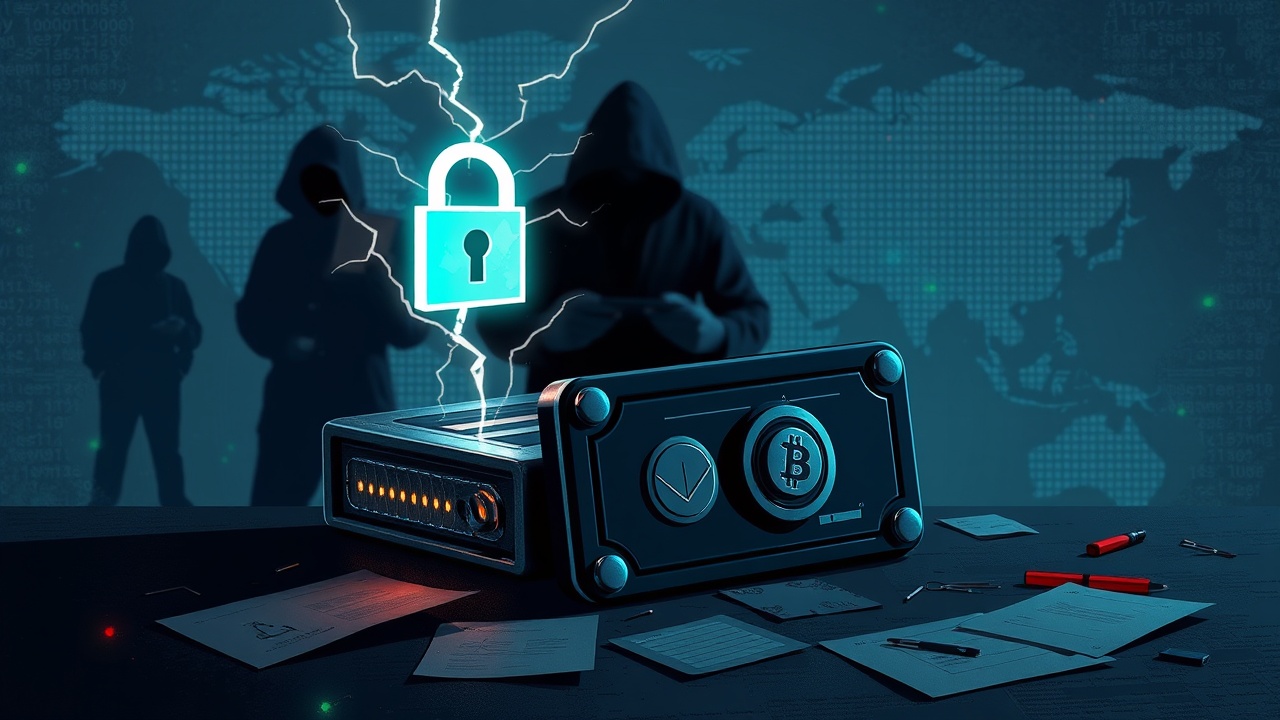
Trezor Data Breach Announcement
Trezor, a manufacturer specializing in hardware wallets for cryptocurrency, announced on November 16, 2026, that a data breach involving its shipping partner Skladon has compromised personal information linked to around 27,000 customer transactions. The breach occurred on November 7, 2026, but Skladon did not inform Trezor until November 15. Following this notification, Trezor quickly made the incident public, indicating that an investigation into the breach is ongoing.
Details of the Compromised Data
The compromised data involves orders made between August 9 and November 7. This includes sensitive details such as customers' full names, email addresses, phone numbers, home addresses, product names, purchase prices, and transaction dates. While the breach could have implications across various international markets due to Skladon’s operations, Trezor clarified that customers in the U.S. were not affected.
Previous Breaches and Security Measures
This incident follows a prior breach in 2026 related to another partner, Shipmonk. Trezor assured users that its own infrastructure remained secure and no customers’ cryptocurrency wallets were compromised, as personal recovery phrases, PINs, and passphrases had not been exposed in this incident. Nonetheless, the exposed information raises red flags regarding potential phishing scams and identity theft, as offenders could exploit the details to create convincing impersonations or solicitations. Some customers have already received dubious calls following the breach, prompting Trezor to issue a warning about the risk of fraudulent communications through various channels, including emails and phone calls.
Customer Notifications and Recommendations
Affected customers—who were identifiable based on the compromised data—have gotten alerts via email, although those who ordered products during the initial period of August 9 to August 14 were not directly informed as their records had been anonymized prior to the breach. Trezor is advising all customers to engage with support only through its official channels and to avoid sharing sensitive wallet information. In the case of threats, they are encouraged to reach out to local authorities for help.
Anonymous Pickup Service
In light of the concerning breach, Trezor also spotlighted its Anonymous Pickup service, an initiative available since early 2026 in 18 European countries, allowing customers to buy wallets discreetly using an alias and email address. This service provides a more private transaction experience, as customers can collect items from designated lockers without revealing personal information.
Packages are sent without branding, and while a modified procedure in Germany may require identification, home addresses are still not necessary. The firm stated,
"You don’t need a real name or home address to order; just a valid email will suffice for a private transaction."
Enhancing Data Privacy
Moreover, Trezor is taking further steps to enhance data privacy by halving its customer information retention period from 90 days to 45 days and mandating similar practices from its shipping vendors. Additional reviews of third-party security protocols are being conducted. This latest breach adds to a list of past vulnerabilities, including a notable incident earlier in 2026 involving exposed newsletter addresses from one of Trezor's email providers, Brevo. The company is in contact with data protection authorities and intends to provide updates as the investigation unfolds.
Ongoing Security Challenges
Despite the reassurance that digital assets remain secure, the incident underlines a lingering challenge in cryptocurrency self-custody: while hardware wallets protect private keys, associated shipping records might expose customers' identifiable information. Such vulnerabilities can attract unwanted attention from malicious actors. Some users expressed frustration in response to Trezor’s announcement, questioning why third-party services are utilized when ordering directly from the official site. Trezor maintained that efficiency necessitates partnerships with third-party companies, although it aims to internalize as many operations as possible.
Meanwhile, the situation at Trezor comes amidst other troubling news in the sector, including a separate significant breach reported by South Korean cryptocurrency exchange Coinone on November 15, 2026, highlighting the ongoing security risks facing crypto platforms.
Also in other languages: РусскийDeutschFrançaisItalianoEspañol