Dynamic Landscape of Crypto Regulation in the U.S.
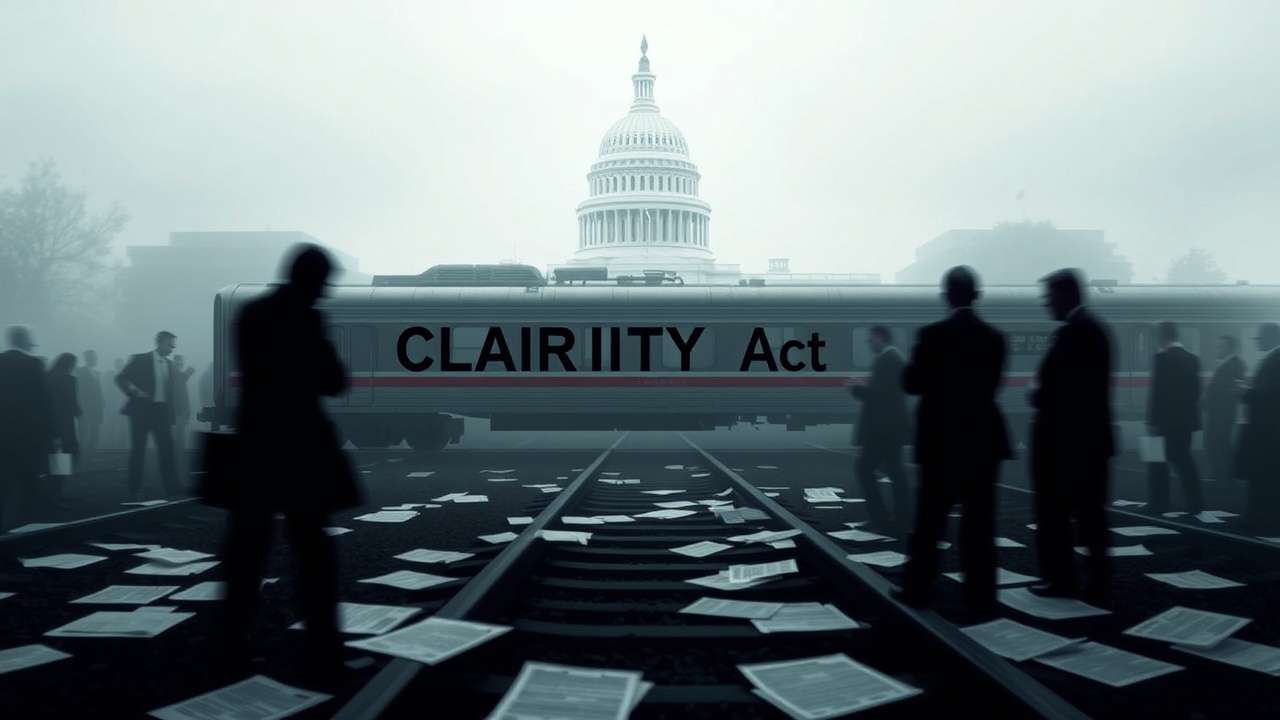
The conversation around crypto regulation in the U.S. remains dynamic, particularly following the recent Senate vote halting discussions on the proposed CLARITY Act designed to create a comprehensive framework for digital asset markets.
Regulatory Actions by CFTC and SEC
Despite this setback, the Commodity Futures Trading Commission (CFTC) has indicated its intent to proceed with plans for tokenized collateral markets and continuous trading opportunities. At a recent conference, CFTC Chair Michael Selig emphasized that existing legal frameworks empower the agency to craft rules governing the trading of crypto assets, including derivatives and margin trading, which could accommodate a more flexible, round-the-clock market environment. Notably, Selig’s address came just a week after the Senate declined to advance the CLARITY Act.
The SEC had already stepped into the regulatory breach, outlining preliminary rules governing crypto offerings ahead of the Senate vote and subsequently issuing exemptions related to tokenized stock trading. As regulatory agencies begin to fill the void left by stalled legislation, they are developing a regulatory order by interpreting existing laws, issuing guidance on token classifications, and setting rules on market conduct.
Senate Vote and Political Divides
The vote on September 15 revealed a narrow defeat for the motion to advance the CLARITY Act, requiring a total of 60 votes but only managing to garner 49 in favor, with 50 opposed. Senators are still actively discussing the potential for revisiting the legislation, but the lack of an agreement demonstrates significant political divides, especially regarding ethics provisions and the SEC’s oversight capabilities.
Future of Crypto Markets
With regulations evolving, the CFTC’s forthcoming proposals, currently undergoing White House review, promise to shape the future of crypto markets. Meanwhile, the regulatory vacuum raises questions about the scope of market oversight, particularly as regulatory actions taken without new legislation exist in a context of ongoing debate over the roles of both the CFTC and SEC.
Need for Clear Oversight
Continued deliberations in Congress underscore the complexity involved in legislating digital assets and the corresponding need for clear definitions of oversight. As agencies like the SEC and CFTC explore interpretation and rulemaking, there is a strong push from some industry advocates for the development of formal statutes to provide clear jurisdictional boundaries, which are currently being addressed piecemeal through regulatory actions. This evolving landscape illustrates a critical phase in U.S. crypto regulation, as regulatory bodies strive to provide clarity in a market that remains in flux.