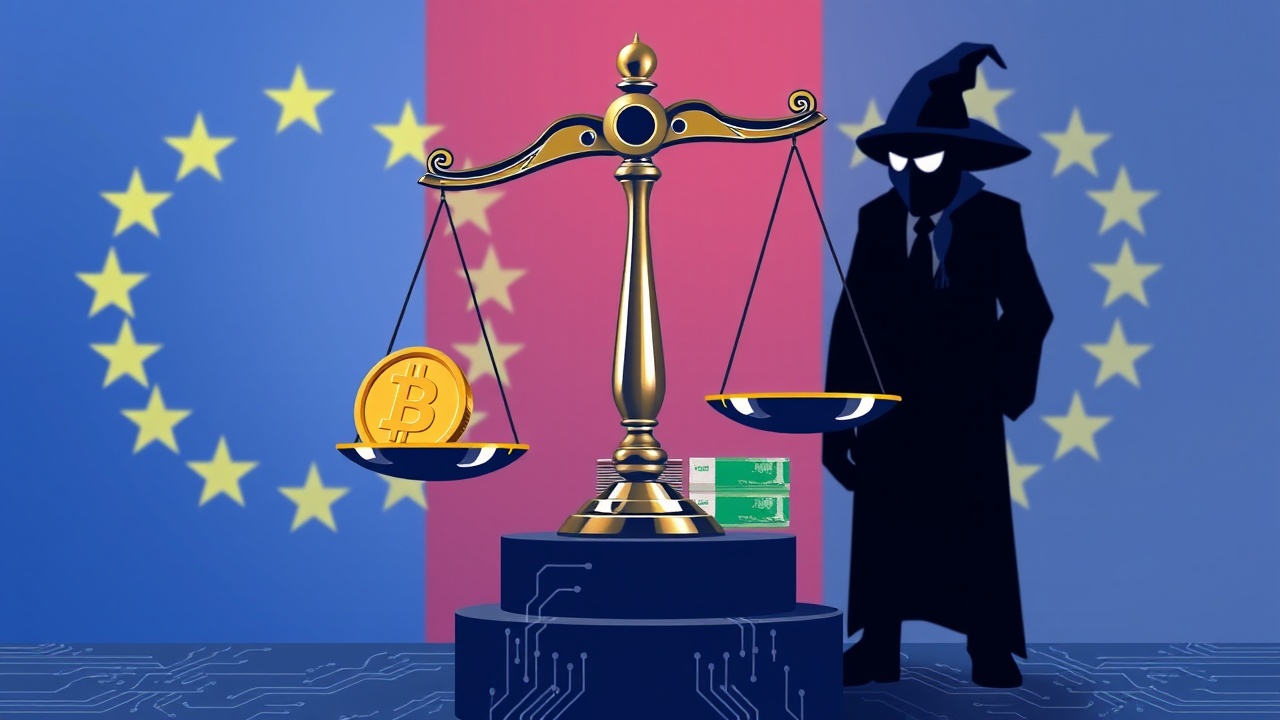
Regulatory Scrutiny Over Cryptocurrency
As regulatory scrutiny over cryptocurrency intensifies, the European Banking Authority (EBA) has proposed that crypto lending practices be incorporated into the European Union’s Markets in Crypto-Assets (MiCA) framework. This move comes as part of the European Commission’s ongoing evaluation of MiCA, focusing on the evolving landscape of digital finance.
Need for Regulation
In a recent statement directed at the European Commission, the EBA emphasized the need for regulating both crypto borrowing and lending, especially where service providers act as gateways to decentralized finance (DeFi) lending solutions. They highlighted that numerous EU member states, at least 16 in total, are currently experiencing growth in crypto lending, making regulatory oversight increasingly urgent.
Consumer Protection and Market Integrity
To ensure consumer protection and market integrity, the EBA urged the Commission to assess the effects of regulating intermediated crypto borrowing and lending, which would entail new compliance mandates and supervisory mechanisms. They proposed additional guidelines for crypto entities facilitating access to DeFi protocols, encompassing recommendations such as:
- Implementing eligibility assessments
- Cap limits on leverage usage
- Enhanced transparency measures
Concerns and Suggestions
Furthermore, the EBA raised concerns about the potential regulation of lending associated with asset-referenced and e-money tokens that necessitate MiCA authorization. There was also a suggestion to establish a certification process for DeFi lending platforms.
Convergence of Financial Services
The authority noted the increasing convergence of centralized and decentralized financial services, further fueled by advancements in AI technologies and easier access through crypto firms. These evolving dynamics underline the importance of a proactive regulatory stance as the EBA contributes to the Commission’s comprehensive MiCA review, which also addresses topics such as stablecoin governance, the classification of crypto assets, and reporting standards.