Cryptocurrency Scam in Forsyth County
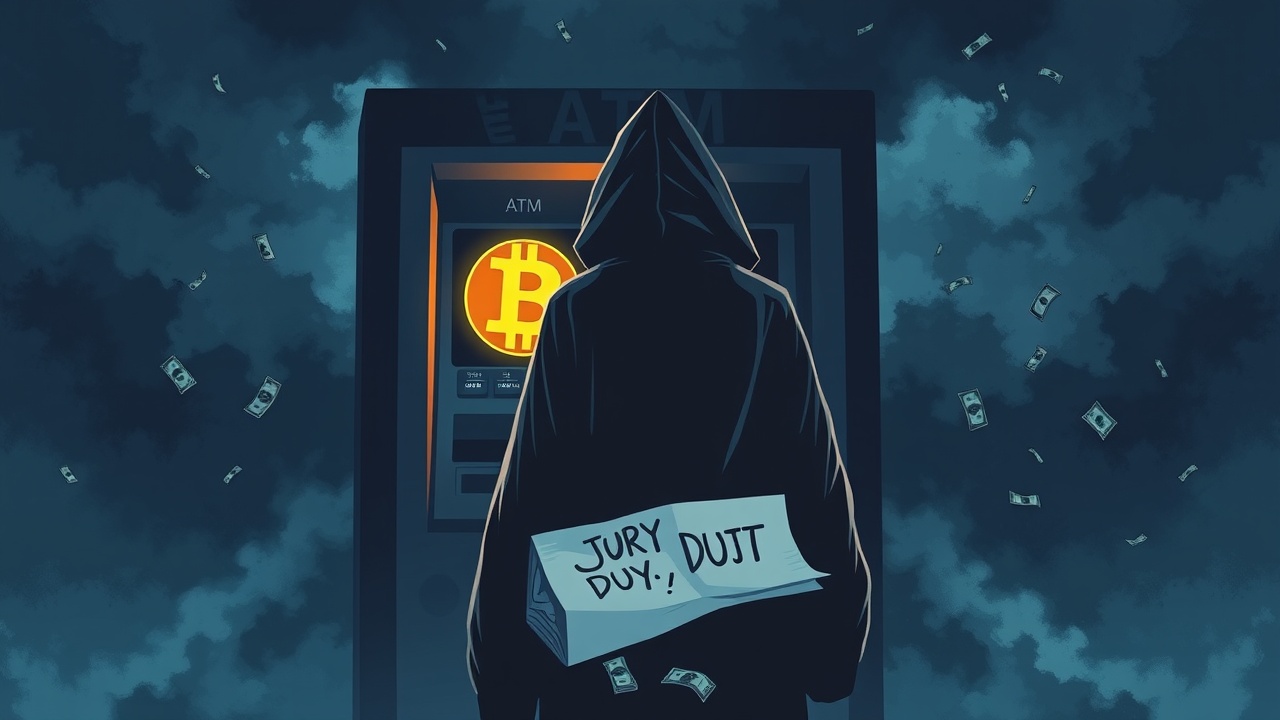
A resident of Forsyth County, Georgia, recently fell victim to a cryptocurrency scam, losing $4,900 after being misled by a fraudster posing as a government official. The scammer contacted the woman, informing her that she had failed to appear for jury duty and implying that unless she made an immediate payment, she would face arrest. This deceptive tactic is part of a wider trend where scammers manipulate individuals’ fears about legal repercussions to extract money, often demanding payment in the form of cryptocurrency.
Details of the Scam
Reports from September 16 highlight this incident as one of many similar cases in which victims are pressured to deposit cash into Bitcoin ATMs. In this instance, the victim’s money was swiftly converted into cryptocurrency and transferred to the scammer’s wallet—a process made possible by the ATM’s design, which allows for anonymous transactions. The urgency of the situation and the threat of legal action convinced her to act without verifying the legitimacy of the claims.
Warnings from Authorities
The Federal Trade Commission (FTC) has issued warnings regarding such scams, emphasizing that legitimate courts do not demand monetary payments over the phone, particularly in cryptocurrency.
This specific scam mirrors previous warnings concerning fraudsters who use the guise of judicial authority to elicit payments, whether that be Bitcoin, gift cards, or personal banking details.
Statistics and Recommendations
According to data released by the FBI’s Internet Crime Complaint Center, over 13,400 complaints were logged about cryptocurrency kiosks in 2025, accumulating losses that surpass $388 million. The FTC has pointed out that threats made during these calls can often appear authentic, especially if caller ID appears to display law enforcement numbers, which provides a false sense of security for the victim.
Consumer Protection Measures
In light of these growing concerns, authorities are urging anyone who has been approached by such scams to keep documentation related to the transactions, including receipts and any available details about the fraudulent caller. Meanwhile, states are beginning to implement consumer protection measures to combat losses from these crypto ATM scams, as demonstrated by recent cases in Arizona where victims have received partial refunds. However, it remains uncertain whether the individual from Georgia will reclaim her lost funds through similar initiatives.
Conclusion
As the trend of using Bitcoin ATMs for scams continues to rise, both consumers and law enforcement must remain vigilant against these fraudulent tactics that exploit the urgency and fear surrounding legal obligations.