The Quest for Bitcoin’s Creator
The quest to uncover the true identity of Bitcoin’s enigmatic creator, Satoshi Nakamoto, has surged once again, particularly in the years from October 2024 to April 2026. During this time, a trio of prominent investigations—including a documentary by HBO, a comprehensive report from The New York Times, and a feature-length film—each identified a different individual as the possible Satoshi. However, all three investigations ultimately failed to produce definitive proof to confirm any of their claims.
HBO Documentary: “Money Electric: The Bitcoin Mystery”
The renewed interest in Bitcoin’s origin became apparent with the HBO documentary “Money Electric: The Bitcoin Mystery,” which debuted on October 8, 2024. Directed by Cullen Hoback, it suggested that Canadian developer Peter Todd could be Satoshi Nakamoto. Hoback based this argument on Todd’s early participation in cypherpunk activities, a few forum posts, and perceived coincidental overlaps in technical discussions between Todd and Nakamoto’s writings. Notably, Todd reportedly interacted with influential Bitcoin figures Hal Finney and Adam Back when he was just 15 years old.
In stark contrast, Todd quickly dismissed the documentary’s claims, labeling them “ludicrous” and akin to conspiracy theory thinking. The broader Bitcoin development community also expressed skepticism, contending that the documentary’s evidence was circumstantial at best, especially since no cryptographic proof was provided, nor was there any movement of the significant Bitcoin cache linked to Satoshi’s early mining.
The New York Times Exposé
On April 8, 2026, investigative journalist John Carreyrou of The New York Times released a thorough exposé entitled “My Quest to Solve Bitcoin’s Great Mystery.” His report spent nearly a year combing through linguistic patterns in cypherpunk communication. Carreyrou focused on British cryptographer Adam Back, CEO of Blockstream, presenting what he termed a stylometric analysis that revealed similarities between Back’s past writings and those of Nakamoto. Interestingly, Back was also cited in the Bitcoin white paper as the inventor of Hashcash, a foundational element of Bitcoin’s proof-of-work mechanism.
Back countered the analysis, arguing that the similarities were common among members of the cypherpunk community and did not suggest a shared identity. Once again, the investigation did not yield any cryptographic confirmations to substantiate the claims about Back’s identity, leading prediction market Polymarket to assign only a 6% likelihood of Back being identified as Satoshi by the end of 2026.
Documentary: “Finding Satoshi” and New Theories
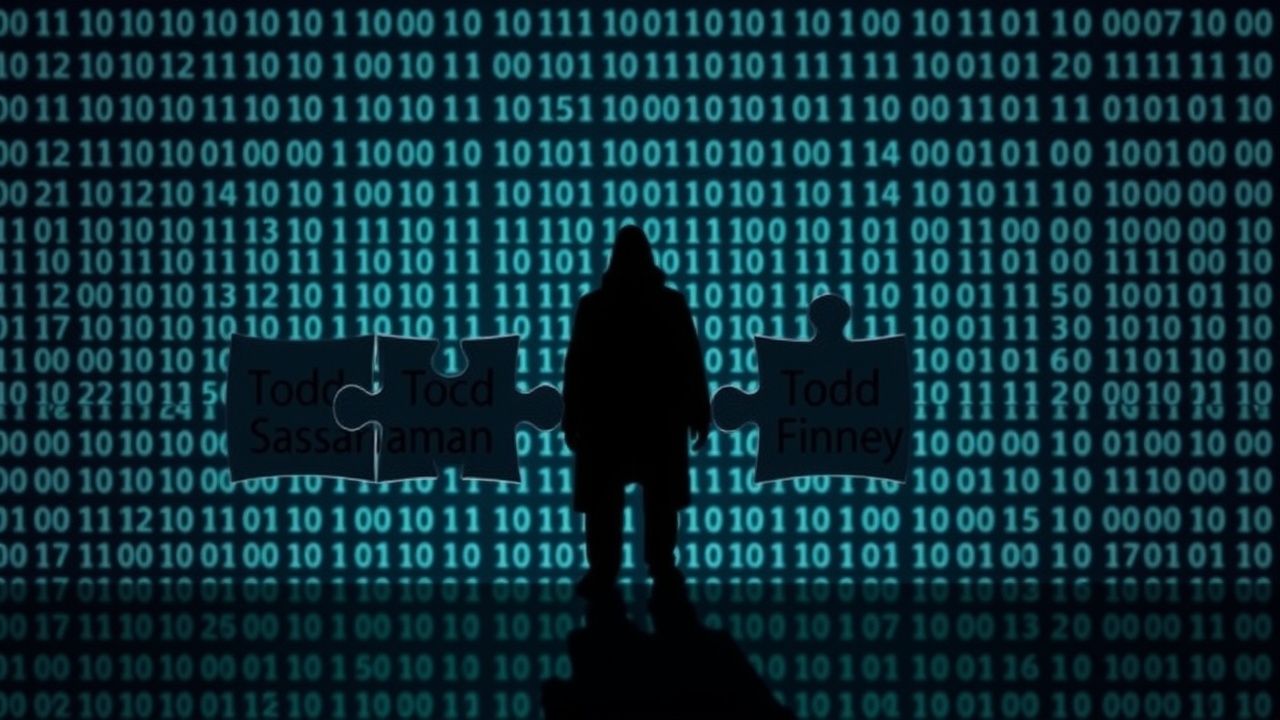
Two weeks later, on April 22, another documentary titled “Finding Satoshi” by William D. Cohan and private investigator Tyler Maroney proposed an entirely different theory. They posited that Satoshi was potentially a duo, Hal Finney and Len Sassaman, both of whom have passed away. Finney made history by receiving the first Bitcoin transaction from Satoshi in January 2009, while Sassaman was considered a privacy expert and wrote significant portions of Bitcoin’s foundational communication.
The film suggested that data analysis conducted by scientist Alyssa Blackburn matched early Bitcoin mining patterns and online activities to both Finney and Sassaman. Notably, Finney’s widow expressed a cautious openness about her husband’s potential involvement, while Sassaman’s widow speculated about a possible secret collaboration between the two men. This hypothesis garnered a range of reactions, including support from Coinbase CEO Brian Armstrong, who lauded the documentary as a thoughtful examination of the Satoshi question.
Conclusion: The Ongoing Mystery
Despite these evolving theories, the investigations remain fundamentally challenged by the absence of direct cryptographic evidence linking any of the figures to Satoshi. Back argued against Sassaman as an identity candidate based on inconsistencies with timezone data, while another expert, Jameson Lopp, concluded that Finney’s competitive engagements during key moments conflicted with Nakamoto’s known activities.
In summary, the three investigations, conducted over 18 months, identified four distinct individuals with shifting narratives and no unified conclusion regarding Bitcoin’s origin. The prevailing sentiment within the Bitcoin community is that the identity of Satoshi does not alter the fundamental operation or essence of Bitcoin itself. Yet, the allure of this mystery persists, drawing continued scrutiny from inquisitive journalists and filmmakers. Until verifiable evidence surfaces—such as a message signed by Satoshi’s known keys—the enigma remains unresolved, leaving each theory as mere speculation.