Recent Developments in Cryptocurrency Regulation
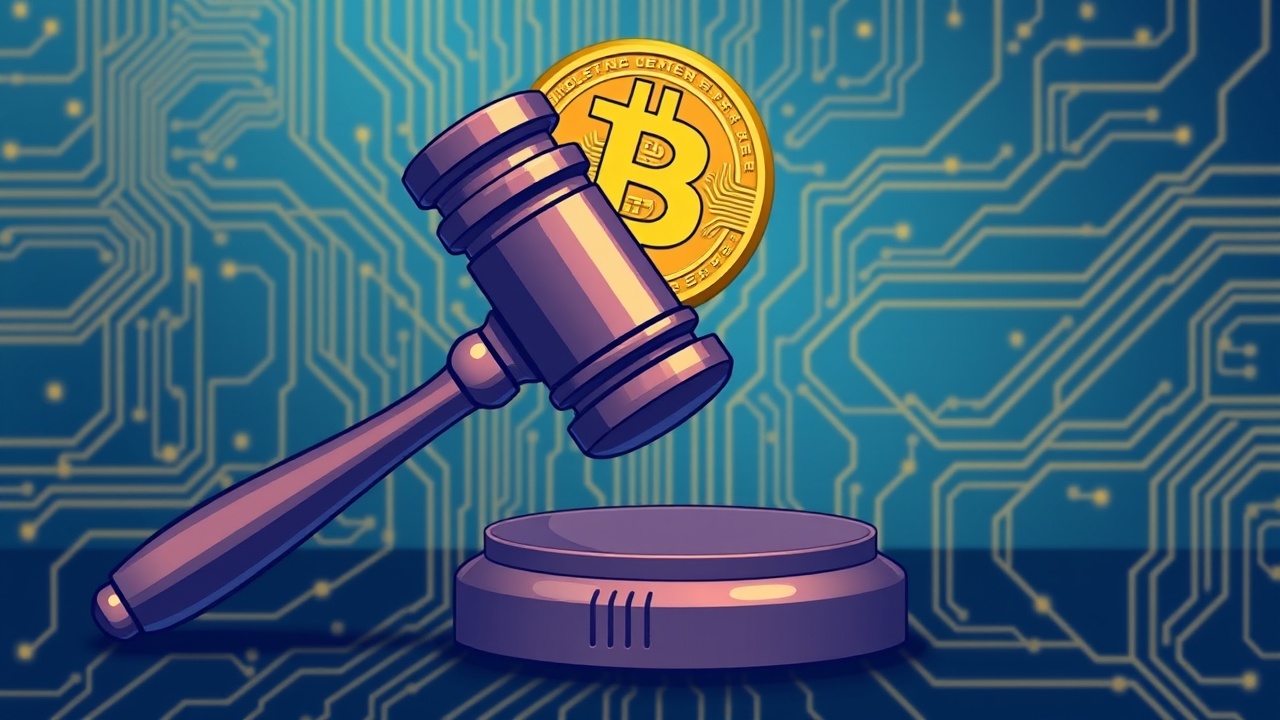
In the realm of cryptocurrency regulation, significant developments have emerged this week, thanks to the legal insights from Kelman Law, a firm specializing in digital asset commerce. The focus has turned toward essential facets of digital asset infrastructure, including tokenized securities, the safeguarding of customer funds, competition among stablecoins, and the challenges of cross-border fraud. This update sheds light on various ongoing legal matters impacting the sector, including regulatory priorities, enforcement actions, and civil complaints.
SEC Examination Priorities for Fiscal Year 2027
On October 23, the U.S. Securities and Exchange Commission (SEC) released its examination priorities for the fiscal year 2027. Among the core areas of focus identified by the SEC’s Division of Examinations is the matter of tokenization and the evolving infrastructure that supports digital markets. This includes scrutinizing how clearing agencies handle controls related to tokenized assets and assessing the compliance frameworks of those entities affected by Regulation Systems Compliance and Integrity.
The SEC’s examination strategy also encompasses various indirect challenges facing firms involved in the digital asset space. Areas under review will include anti-money laundering practices of broker-dealers, cybersecurity measures, the roles of third-party service providers, and how trading systems integrate new technologies. However, it’s crucial to note that this announcement is a staff statement and does not impose new legal requirements, nor does it guarantee that all tokenization-related firms will be closely examined. Therefore, businesses developing tokenized projects should ensure that their operations align with their stated compliance procedures, keeping a comprehensive check on aspects such as transaction processing, recordkeeping, and vendor management.
Regulatory Actions and Legal Challenges
In another significant event on October 22, the Central Bank of Ireland imposed a fine of €3,252,618 on Coinbase Ireland Limited for violations of safeguarding and outsourcing mandates as per the Electronic Money Regulations of 2011. This settlement, arising from breaches acknowledged by Coinbase that occurred between November 2020 and August 2025, reflects concerns over the company’s reliance on its U.S. counterparts for crucial safeguarding processes, alongside deficiencies in system design and control testing. The regulator had originally considered a penalty of €4,646,597, but after a 30% settlement discount, the fine was substantially reduced, pending confirmation by the Irish High Court.
This case highlights the essentiality of having local expertise and rigorous oversight mechanisms in place for businesses operating in the digital finance landscape. Companies are reminded that regulatory responsibilities cannot be outsourced, and adequate local knowledge is crucial for maintaining compliance and protecting customer funds.
On the same day, a new lawsuit emerged in the U.S. District Court for the District of Columbia. J. Benjamin Greenberg, a former Circle employee and shareholder, filed a complaint against various defendants including President Donald Trump, claiming that certain transactions tied to World Liberty Financial violated the Foreign Emoluments Clause of the U.S. Constitution, effectively harming Circle and its USDC stablecoin competition. While Circle distanced itself from the action, asserting it did not initiate or endorse the claim, the implications of the case could impact stablecoin businesses, particularly regarding transparency of ownership and potential conflicts of interest.
Meanwhile, in Southern California, Zheng Zhao, accused of being part of an international cryptocurrency fraud operation, made his appearance in federal court after being extradited from the Netherlands. The Justice Department claims that Zhao was involved in a scheme targeting victims across the U.S., defrauding them out of millions. More than $36 million allegedly funneled from American bank accounts through a series of counterfeit trading platforms highlights the ongoing risk of fraud in the cryptocurrency sector. Zhao is presumed innocent until proven guilty, but his extradition underlines that U.S. jurisdiction can extend beyond national borders.
Conclusion
As the landscape of cryptocurrency law continues to evolve, stakeholders must remain vigilant and informed about compliance, risks, and the implications of ongoing legal proceedings. For any regulatory, litigation, compliance, or asset recovery inquiries, Kelman Law is available to provide expert advice and legal support.
Overall, this week’s updates illustrate the regulatory bodies’ focus on consumer protection while adapting to the fast-paced changes within the digital asset landscape, underscoring the importance for firms to adhere to evolving legal expectations and maintain robust operational practices.