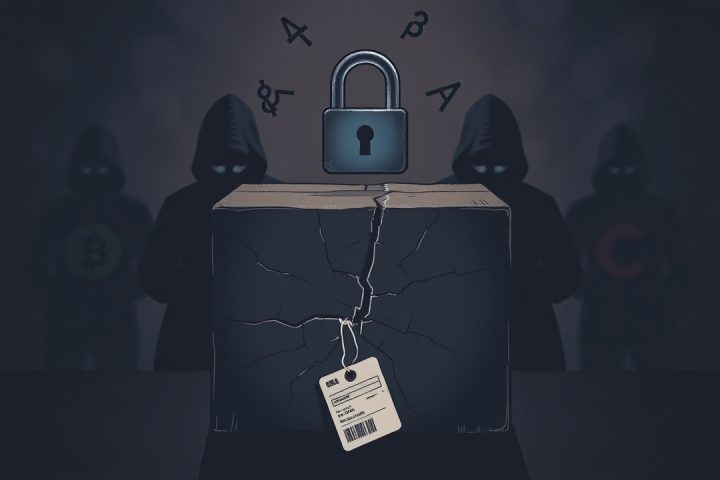
HTX Investigates Unexpected Transfers
HTX, a cryptocurrency exchange, has initiated an investigation into unexpected small transfers that several users attributed to its platform. This inquiry comes after community members reported receiving deposits that seemingly originated from addresses linked to HTX. However, in a statement made on August 18, the exchange clarified that preliminary assessments indicate it has not executed any of these transactions nor conducted any related testing activities.
Understanding the Source of Transfers
The exchange is currently working to understand the source of these transfers and whether misattributed blockchain addresses are to blame for the apparent connection to HTX. Users have referred to this phenomenon as “address poisoning,” a tactic where malicious actors create similar-looking addresses to trick individuals into sending funds to an incorrect address. Some recipients also reported facing limitations on their accounts after the funds arrived, though these claims remain unverified without solid evidence from transaction logs or external security analysis.
Community Response and Claims
Screenshots shared by members of the community prompted HTX’s response, as some users claimed to have received small sums, such as 7.5 USDT in a Coinbase account, only to be questioned about the origin of these deposits. Notably, Coinbase has yet to provide a public comment on the situation, and no concrete documentation has surfaced to show that user accounts were officially restricted because of these transactions.
HTX’s Commitment to Investigation
HTX reiterated that it has not conducted any transfers tied to these deposits and committed to a thorough investigation. However, specifics regarding the blockchain in question, sender addresses, and transaction hashes remain undisclosed alongside the number of impacted customers.
Address Poisoning Explained
Address poisoning typically entails the act of unwittingly altering a user’s transaction history to include a malicious address, which the attacker hopes the target will later miscopy. According to blockchain security experts at Chainalysis, while the activity in question is suspicious, the lack of verified losses or proven connections to specific operators suggests that further examination is required before drawing conclusions.
Comparison to Past Incidents
In a stark contrast to past incidents, such as a user losing 100,000 USDT by mistakenly sending assets to a planted address, the current situation has yet to yield any substantiated losses. Many mitigating factors complicate the ability to identify the true custodian of any given blockchain address. For instance, blockchain analytics firms assign labels based on ownership information and previous transaction norms, but these labels alone do not confirm that a particular exchange authorized any transfer.
Investigation Focus and User Advisory
HTX has indicated its investigation will explore the methods of address tagging and will delve into the origins of the suspect transfers, leaving room for the possibility that a third party misattributed the sender’s identity without adequate proof. Furthermore, the exchange previously alerted users about unsolicited small transfers, urging them to closely examine wallet addresses rather than relying on abbreviated displays.
Broader Context and User Precautions
In the broader context, this case arises amid concerns related to automated compliance screenings, with user accounts reportedly facing restrictions due to flagged links to HTX addresses. However, claims surrounding account freezes remain unconfirmed, and HTX has not acknowledged implementing restrictions as a result of the questioned transfers.
To avoid falling victim to potential scams, users are advised to refrain from using copied destination addresses from transaction records. Instead, they should verify each full address, utilize address book features when possible, and maintain thorough records like transaction hashes. The exchange reassured the community that it would publish updates once its findings are conclusive, but has not specified a timeline for completion or whether it will produce a technical analysis report.