SEC Erases Filings Linked to $130 Million Cryptocurrency Investment Scam
The SEC has exposed a $130 million crypto investment fraud, involving fake disclosures from BG Wealth and DSJ Exchange, luring investors with false promises.
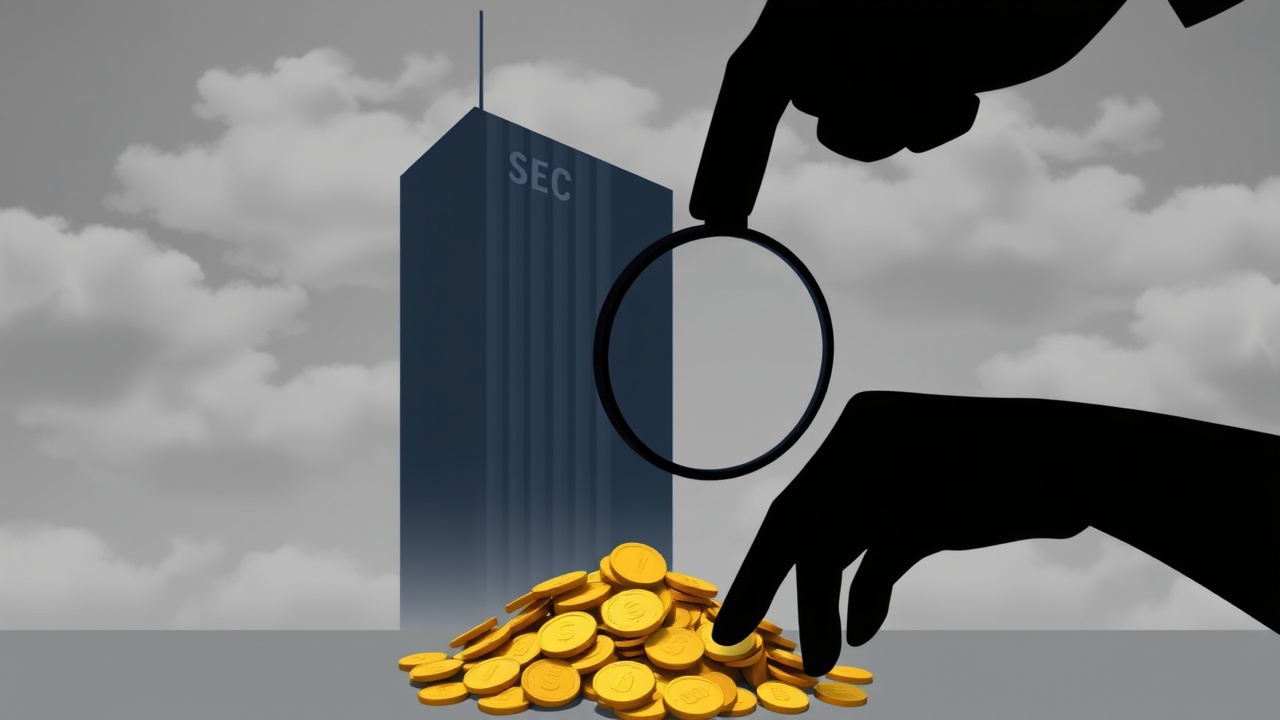
SEC Takes Action Against Fraudulent Cryptocurrency Scheme
In a recent announcement, the US Securities and Exchange Commission (SEC) has taken the significant step of erasing regulatory filings from its database that were purportedly employed to validate a fraudulent cryptocurrency investment scheme, which has reportedly defrauded investors of around $130 million. According to the SEC's disclosure issued on October 29, both BG Wealth Sharing and DSJ Exchange are accused of submitting misleading information to the agency’s public records, misleading potential investors into believing they had received government endorsement for their ventures.
Details of the Alleged Fraud
The alleged fraud involved attracting more than 223,000 investors across the globe, ultimately resulting in losses totaling more than $100 million. The SEC claims that these entities became operational between October 2025 and June 2026, during which they promoted a cryptocurrency investment program guaranteeing returns of at least 60% every month, with the enticing promise that investors could see their investments double within just 40 days without any risk.
Claiming to be the largest hedge fund in the world along with being SEC-licensed advisors, BG Wealth and DSJ Exchange projected a false image of credibility. While BG Wealth advertised a proprietary trading algorithm with an astounding 99.6% success rate, DSJ Exchange falsely showcased profitable trading activities and inflated account balances to attract potential investors. The regulators suggest that instead of conducting legitimate trading activities, these companies primarily diverted investor funds for their own purposes.
Exploitation of SEC's Disclosure System
Central to the deception was the exploitation of the SEC's own public disclosure system, which typically serves as a resource for investors reviewing financial firms and their offerings. BG Wealth reportedly submitted a misleading Form ADV to claim exempt reporting adviser status, while DSJ Exchange filed a Form D that falsely categorized a supposed $100 million securities offering. These documents, accessible on the SEC's Investment Adviser Public Disclosure system and through the EDGAR database, were used to convince investors of the legitimacy of the operations, with the perpetrators even producing fake registration certificates stamped with the SEC's official seal.
Investor Impact and SEC's Response
Further investigation revealed that of the over $130 million in raised funds, only a portion—about $25 million—was returned to investors in what resembled Ponzi scheme-like payments, while the majority of the total was misappropriated. Attempts by investors to withdraw their funds were met with substantial fees reaching as high as 20%, along with significant delays and eventual denial of access to their accounts. Continuing their schemes, the fraudsters insisted on further tax payments, alongside attempts to coax investors into shifting their assets to another platform, HQI Exchange, without restoring their withdrawal privileges.
As a result of this fraudulent activity, the SEC has now removed the problematic filings of both BG Wealth and DSJ Exchange from its public domains. In addition, the SEC has filed a civil lawsuit in California, seeking a permanent injunction against the companies, monetary penalties, and the return of ill-gotten gains along with accrued interest. The regulator has also requested that the court prohibit BG Wealth from making future filings as an exempt reporting adviser to prevent similar incidents.
Also in other languages: РусскийDeutschFrançaisItalianoEspañol