Aave Users Grapple with High Borrowing Costs as Reserves Remain Frozen
Aave borrowers faced interest rates up to 36% APR while a freeze halted new collateral deposits, complicating their loan management and repayments.
Incident Overview
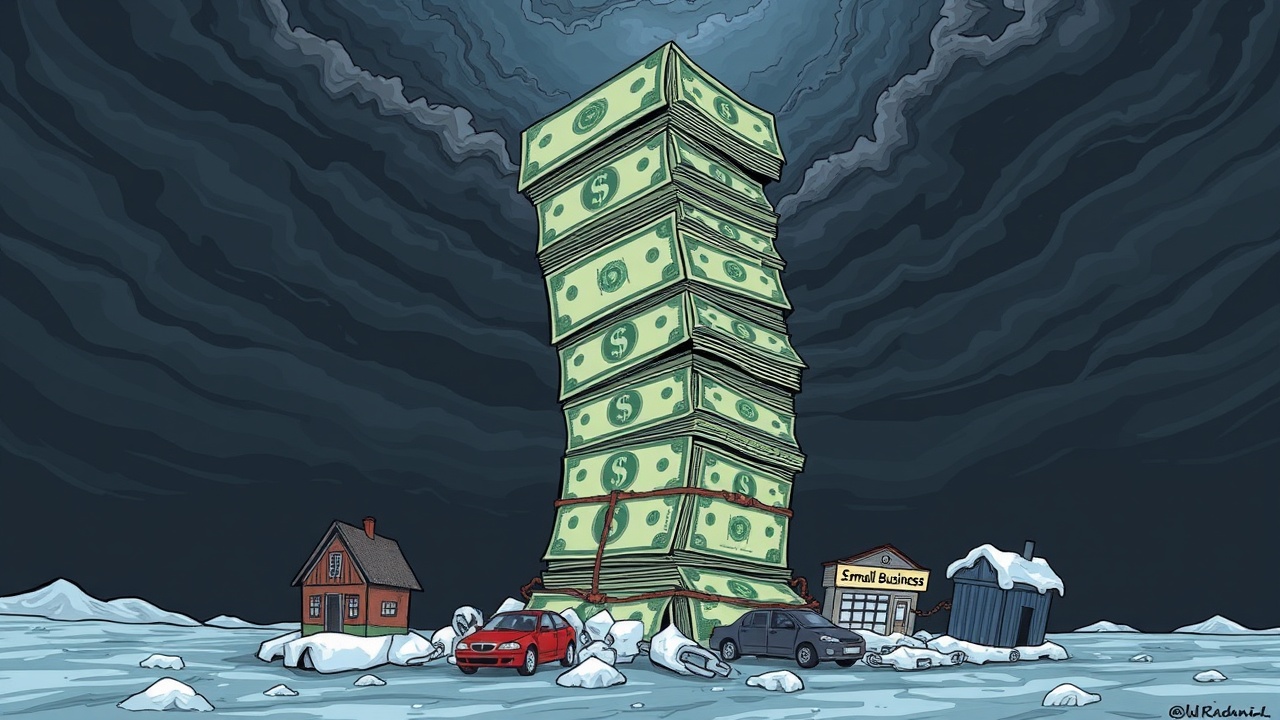
During the recent incident associated with Binance's hot wallet on October 29, lending platform Aave had to restrict certain activities within its reserves, creating notable complications for users. While borrowers continued to accrue interest on their loans, they were unable to provide additional collateral to bolster their positions. This restriction occurred despite lenders being allowed to withdraw funds within available limits, inadvertently increasing the cost of borrowing as the reserves tightened.
Impact on Aave's Rate System
When the freeze was in place, Aave's rate system struggled to function optimally. Normally, higher borrowing costs spur loan repayments and can incentivize lenders to provide more funds, but the freeze prohibited new deposits from coming into the platform. In light of this, LlamaRisk put forward a suggestion to temporarily reduce borrowing rates to assist borrowers despite realizing this would not address the supply shortages faced by lenders wishing to withdraw their funds.
Borrowing and Collateral Management
Aave allows users to leverage their cryptocurrency holdings—users can put up assets like Ethereum as collateral to borrow a token pegged to the dollar (USDC), allowing them to access liquidity without having to sell their original asset. However, withdrawing funds during the freeze became a complex issue since only the tokens that were available could be removed from the pool, and this was directly affected by how many suppliers decided to withdraw.
Security Concerns
By LlamaRisk's assessment, during the Binance breach, a wallet associated with the attackers held around $60 million of Tether (USDT) and borrowed nearly 20,000 Wrapped Ether (WETH). This position was termed overcollateralized, indicating that the value of collateral exceeded that of the debt, underlining the scrutiny that Aave's operational integrity faced during this external exploit.
Loan Management Challenges
While borrowing was halted, repayments and withdrawals were still allowed, which meant that interest continued accumulating for existing loans even as borrowers were barred from bolstering their collateral. This was crucial, as repaying a loan often requires the borrower to source the same token they had initially borrowed, complicating financial management in a volatile market.
Liquidation Framework
Under Aave’s liquidation framework, a metric known as the health factor was pivotal—this calculated the ratio of collateral value to total debt, and should it fall below one, liquidation becomes an option for another user to pay off the debt and reclaim some collateral, adding extra liquidity to the system.
Borrowing Costs and Utilization Rates
Amidst increasing borrowing costs due to the lack of new deposits, LlamaRisk illuminated how withdrawals amongst suppliers could raise the utilization rates of these reserves, which inversely impacts costs for borrowers. Subsequently, Aave’s formula, which adjusts borrowing costs based on utilization, led to rates reaching as high as 36% annually if utilization spiked, greatly increasing the expense for borrowers. An example calculation illustrated that a $10,000 loan could accrue nearly $10 in just one day at that rate.
Path to Recovery
Once the system began reopening on October 31, lending protocols were able to implement the previously discussed rate adjustments aiming to entice both new deposits and repayments. Notably, different reserves had varying impacts; while some saw no immediate rate changes, others with lower liquidity experienced increased costs, exemplifying how each segment requires distinct attention and management due to differing utilization and settings.
Aave must carefully navigate the intertwined interests of its users—borrowers disproportionately favor rapid repayment to minimize debt while suppliers are inclined towards finding stronger incentives for repaying loans that also allow them to withdraw their tokens. As the market stabilizes, the pathway to recovery for both lenders and borrowers will depend heavily on the dynamics of deposits, withdrawals, and the renewed ability to adjust rates effectively.
Also in other languages: РусскийDeutschFrançaisItalianoEspañol