India’s Government Mandates Telegram Removal
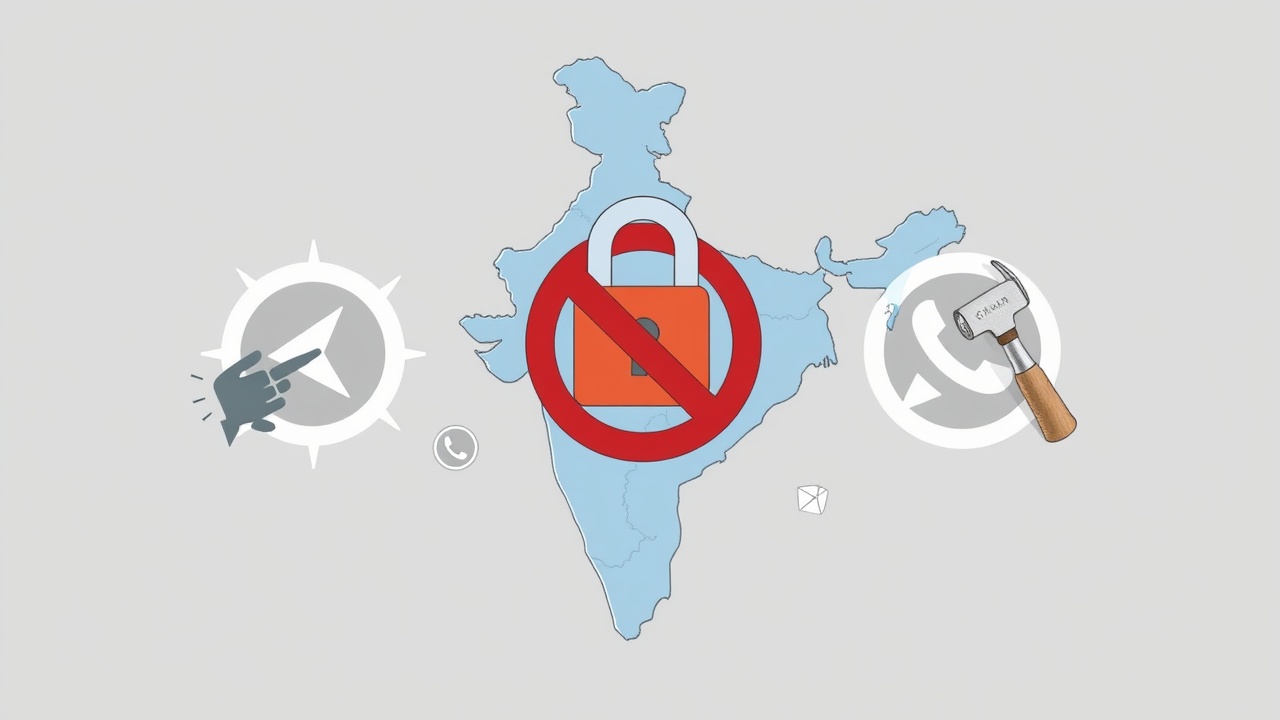
In a significant move that has rattled the cryptocurrency world, India’s government has mandated the removal of Telegram from the app stores maintained by Google and Apple. This decision has resulted in a sharp decline of as much as 2% in the value of GRAM. This action affects an estimated 104 to 150 million users, making India Telegram’s largest market.
CEO’s Response and Regulatory Context
Telegram CEO Pavel Durov expressed his dissatisfaction vocally, indicating that this could potentially alter the foundational strategy for the TON blockchain, which depends on Telegram for user engagement. The Indian ban was enacted temporarily under Section 69A of the Information Technology Act, particularly in response to concerns surrounding cheating during the upcoming NEET-UG medical entrance examination scheduled for June 21.
“Allegations connected to the leaking of exam materials on Telegram prompted the National Testing Agency’s request for this measure.”
Impact on Users and Features
The current restrictions not only disconnect millions from the platform until June 22, 2026, but also limit Telegram’s message-editing feature for Indian users until the end of June, aimed at addressing specific cheating methods that investigators have identified.
While Durov vehemently criticized this move, accusing Reliance, a major telecommunications player in India, of implementing BGP hijacking tactics to disrupt access, a representative from India’s telecom sector dismissed these allegations. They clarified that Durov’s claims misrepresent the operational structures of Reliance entities and Meta’s involvement.
Broader Implications for Cryptocurrency
The response from the cryptocurrency domain is notable, as Telegram plays a crucial role in India’s extensive crypto market. Reports indicate that various applications related to crypto, such as tap-to-earn and quiz-based platforms, encountered immediate challenges, effectively sidelining Indian users from participating in on-chain activities.
Future Considerations
The implications of the Indian government’s actions raise pivotal questions regarding the balance of regulatory oversight and the competitive landscape for messaging platforms in the region. If the bans stem solely from examination integrity requirements, they will lift when those conditions are satisfied. However, should Durov’s claims of competitive malice be substantiated, this could lead to a longer-term struggle for Telegram against its rivals in the tech space.
Furthermore, if confirmed, the allegations of BGP hijacking go beyond political maneuverings and highlight substantial risks to internet infrastructure integrity across borders, affecting users even in countries like the UAE.